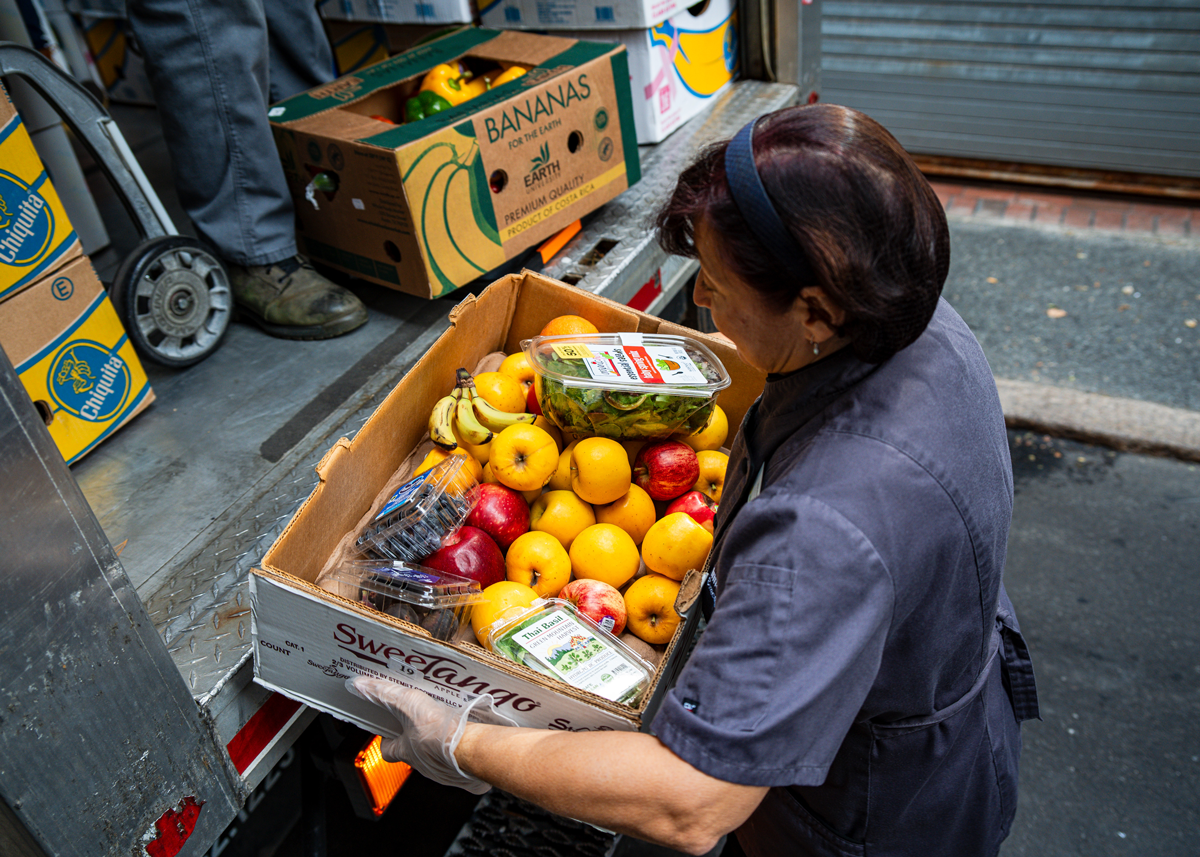
The New England food recovery organization marks a major milestone as rising food insecurity and higher operational costs drive growing demand across Massachusetts and beyond... Read More
- Oct 28, 2026
- Food Waste , SNAP , Massachusetts

The New England food recovery organization marks a major milestone as rising food insecurity and higher operational costs drive growing demand across Massachusetts and beyond... Read More
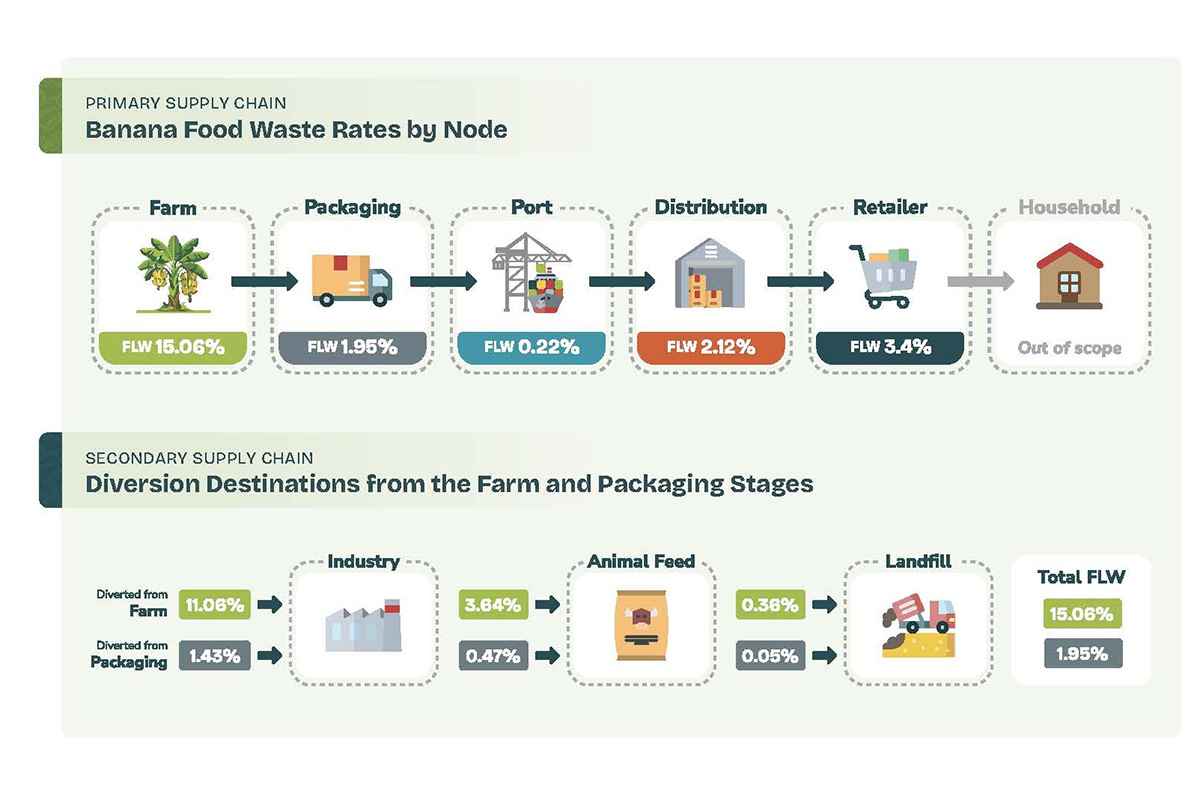
Following its whole-chain hotspot analysis on domestic strawberries, the U.S. Food Waste Pact has published a new study tracing the global banana supply chain, highlighting key waste drivers... Read More
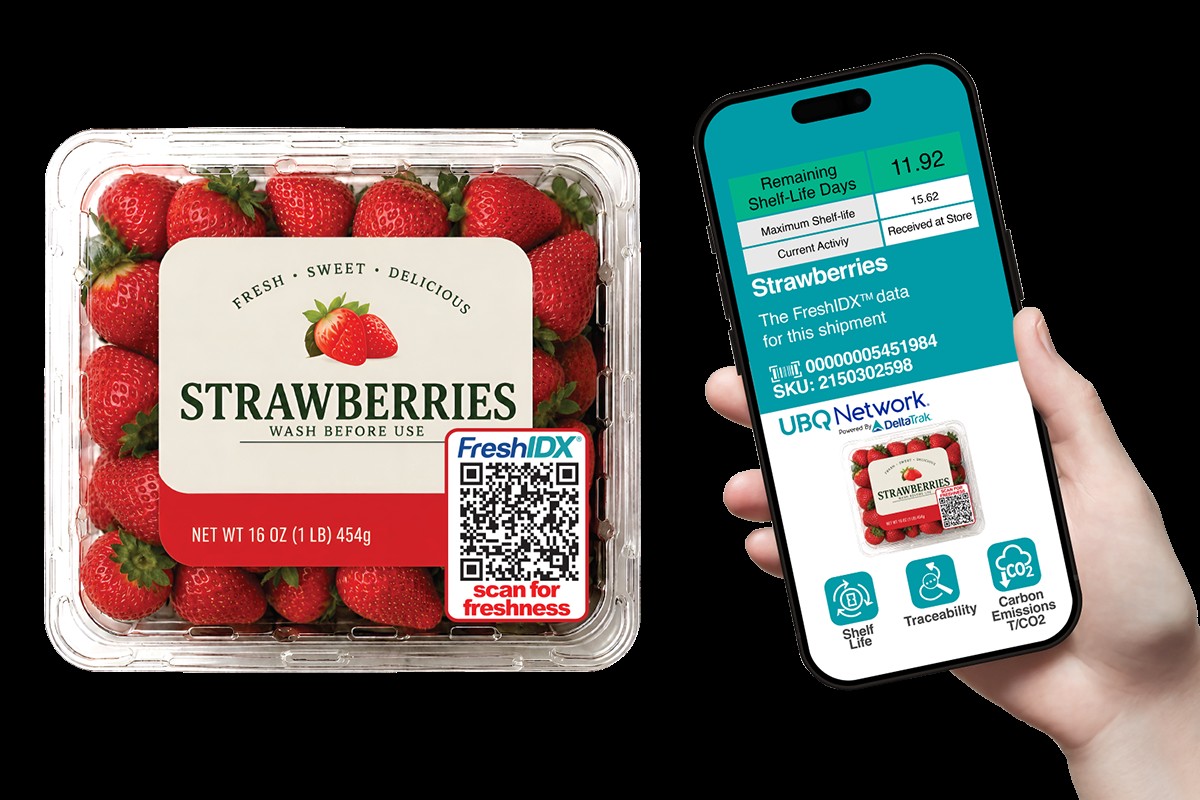
By tracking temperature history and biological decay from packhouse to distribution center, DeltaTrak’s Fresh IDX enables a “First Expired, First Out” approach that prevents whole-load rejections and recovers critical shelf life for fresh produce... Read More

Two 2026 Packer 25 honorees share how innovative technology, processes and materials aim to cut waste... Read More
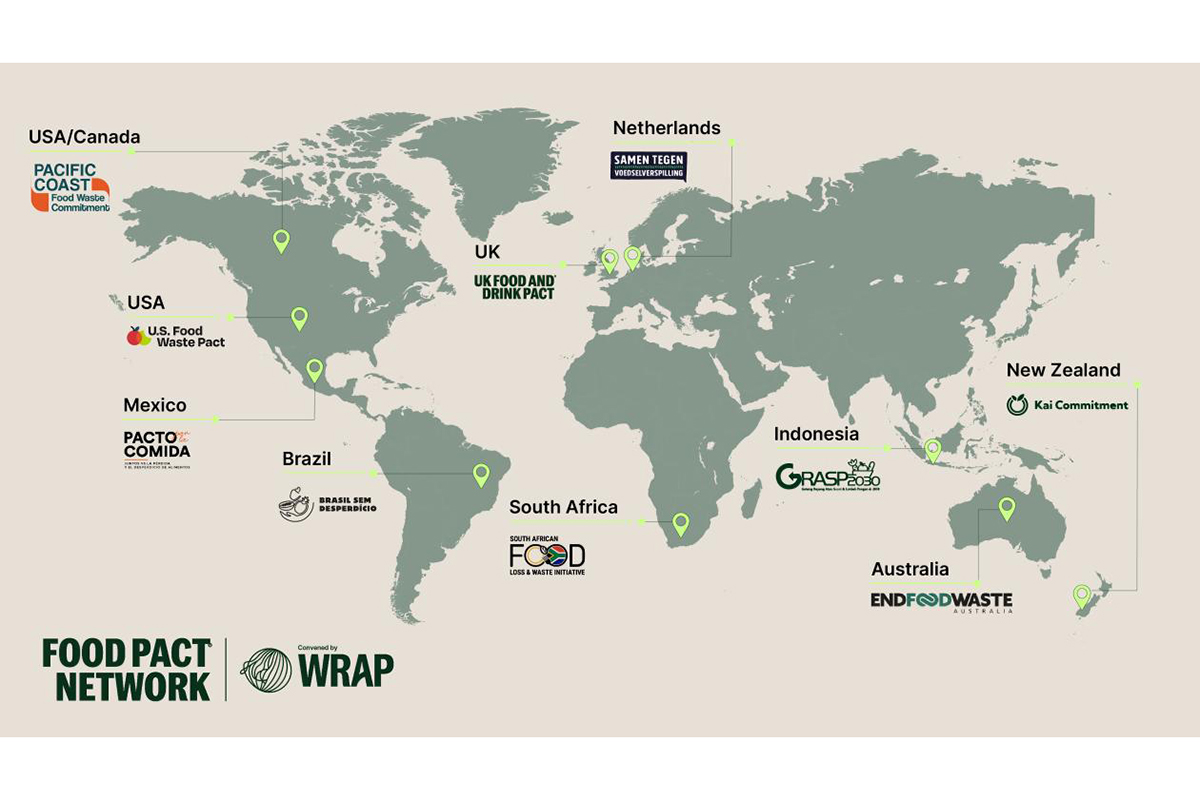
At Climate Week NYC, WRAP is demonstrating how collaborative Food Pacts and targeted interventions across retail supply chains and households transform perishable produce waste from a carbon burden into immediate financial savings... Read More
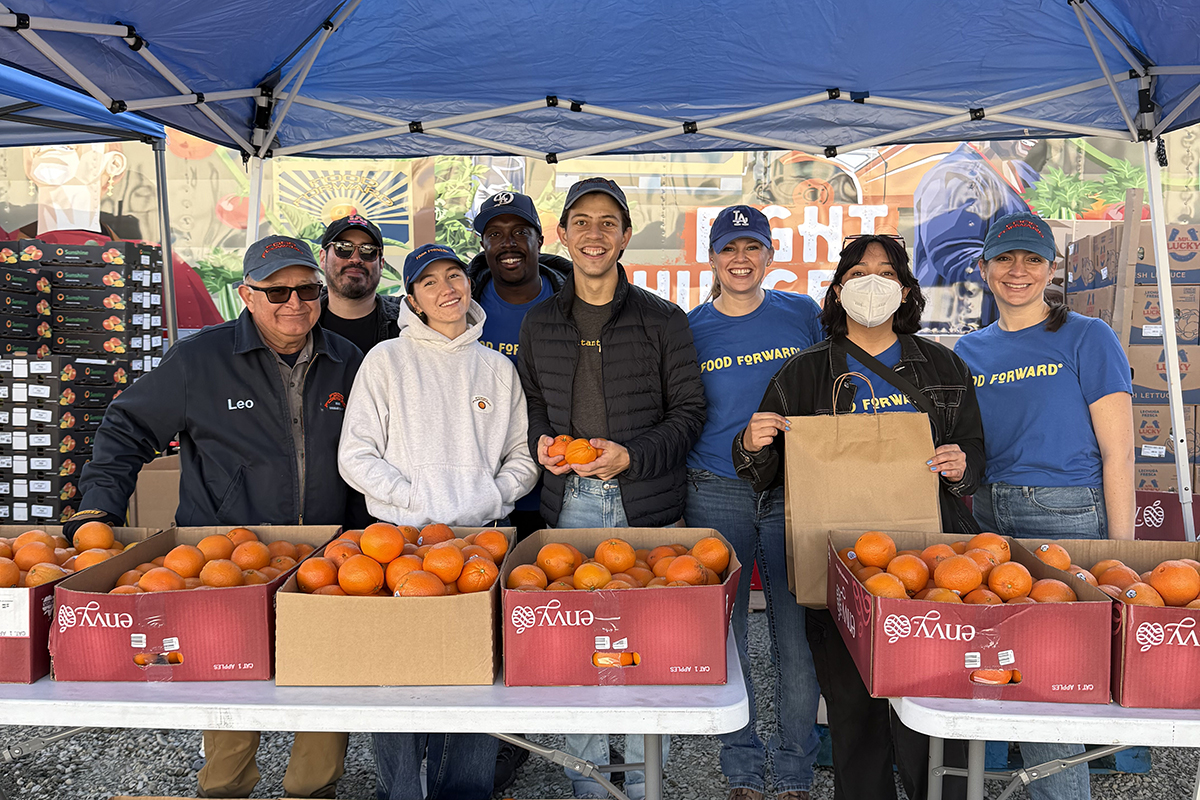
The produce recovery organization solves a challenge by redirecting truckload-scale commercial surplus to hunger relief networks, delivering 2.8 billion total servings of fresh fruits and vegetables to communities experiencing food insecurity... Read More
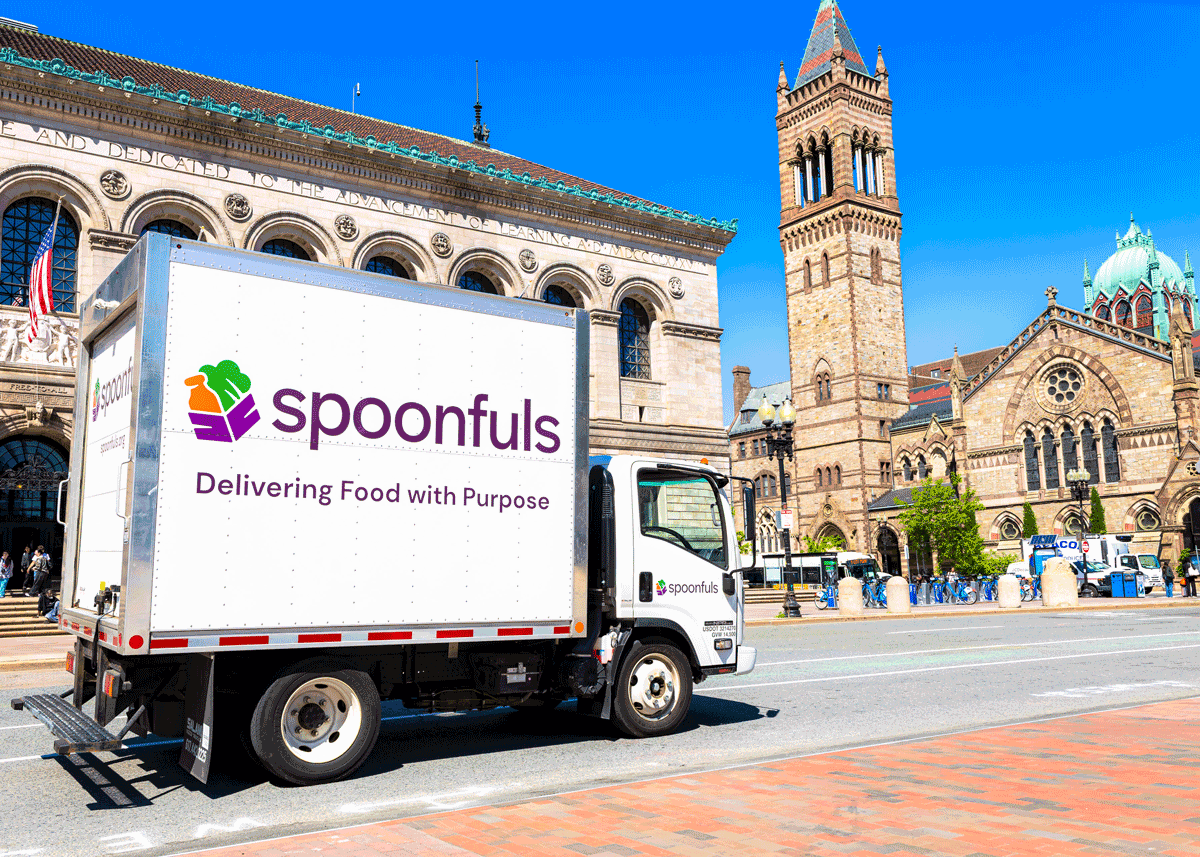
As shipping costs double, food recovery groups in California and Massachusetts have adapted daily routes to deliver fresh produce amid rising demand... Read More

A pioneering pilot from the U.S. Food Waste Pact reveals that redirecting farm-level surplus strawberries into commercial kitchens can deliver an 80% revenue boost over juicing channels for growers while offering foodservice operators a 22.4% cost savings... Read More
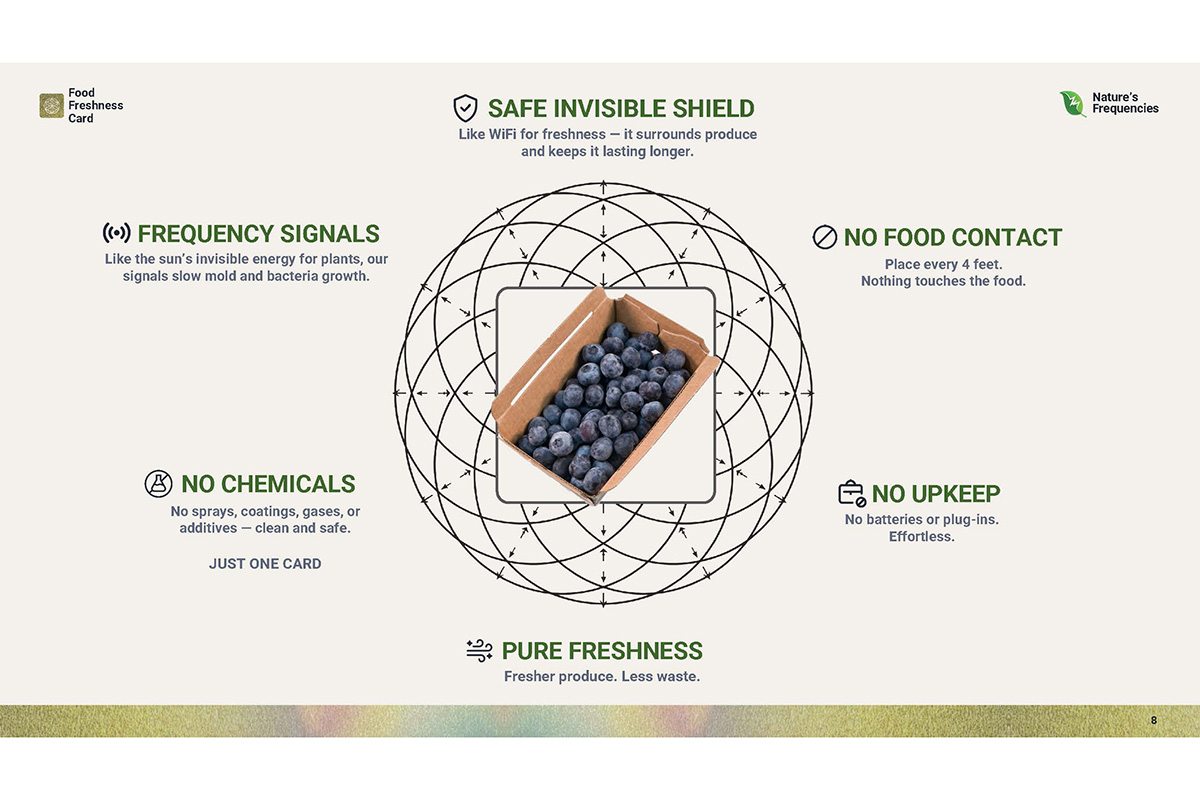
Nature’s Frequencies is targeting produce spoilage with its patented Food Freshness Card, a chemical-free, passive technology designed to extend shelf life and deliver a full return on investment in under four months without altering standard cold-chain operations... Read More
By partnering with nonprofits ReFED and World Wildlife Fund alongside major industry peers, the distributor aims to build on its 85% diversion rate through shared best practices, enhanced food recovery and improved operational efficiency... Read More

With over half of American households adopting food-saving habits, food retailers have a prime opportunity to align their inventory, packaging and promotional strategies with consumer demand for affordability and waste reduction... Read More
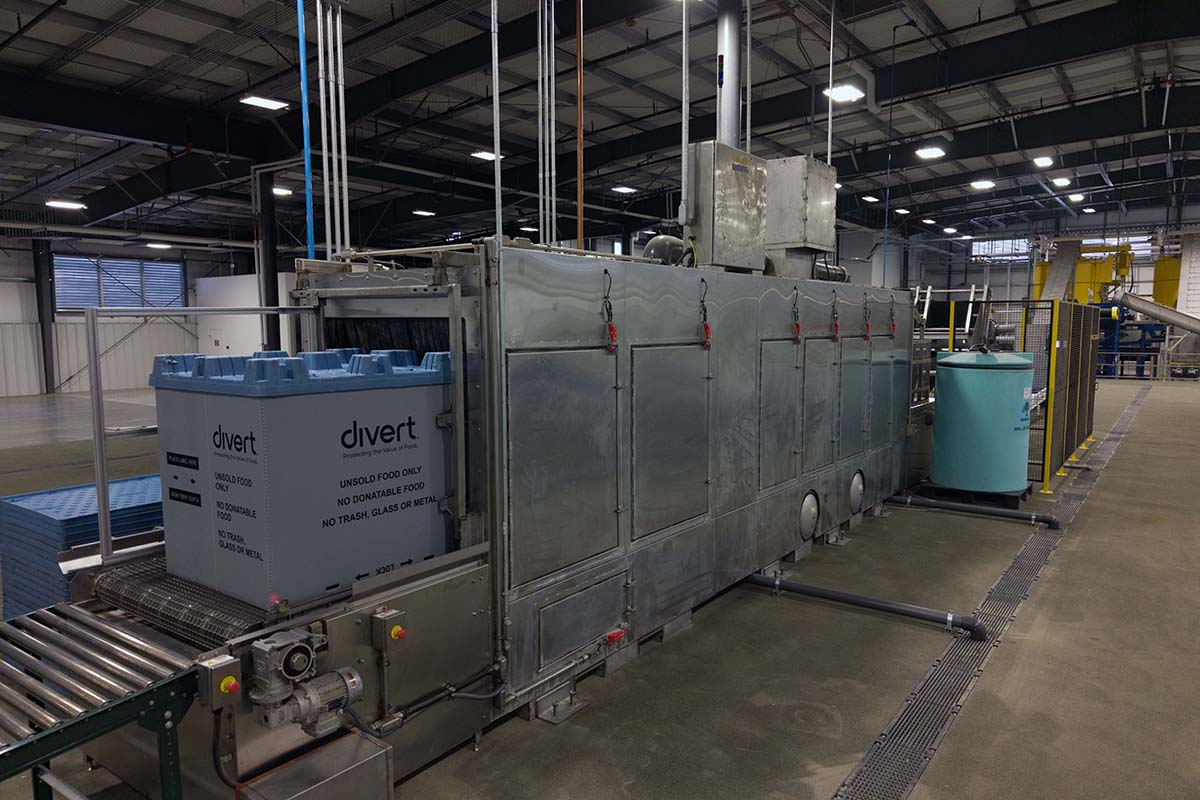
While renewable natural gas often dominates the food waste conversation, Divert is proving that full circularity requires extracting clean nutrients and recycled water from the grocery supply chain... Read More
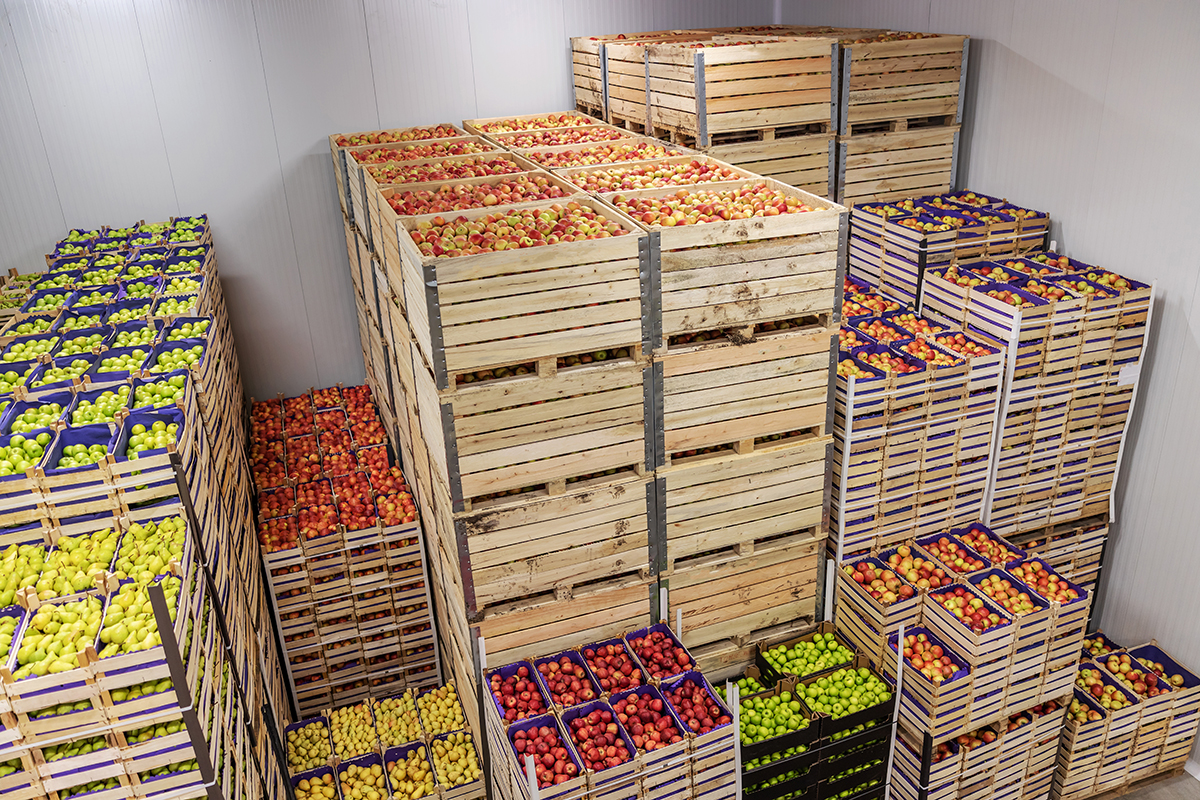
By eliminating the manual blind spots of traditional tracking, real-time wireless automation is helping retailers protect fresh food quality and slash spoilage... Read More
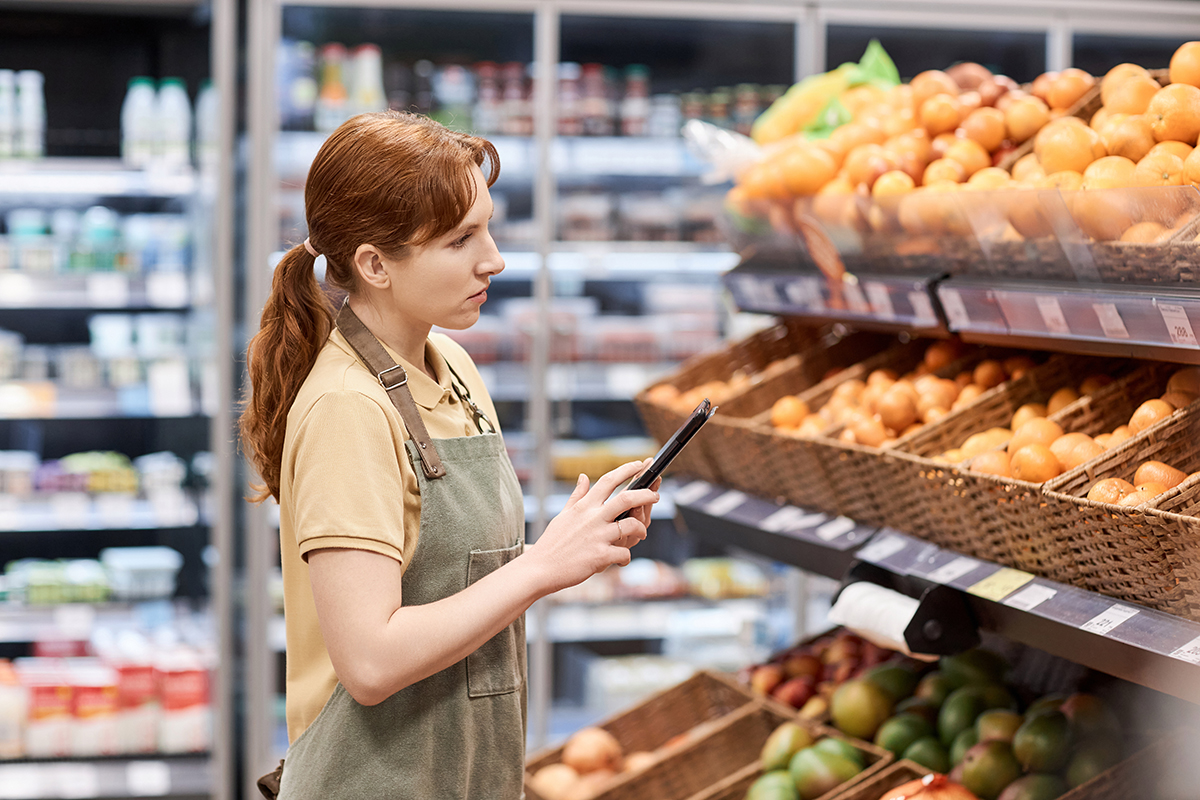
While AI-driven demand forecasting has prevented millions of pounds of waste and boosted retail profits, its full potential is restricted by store managers who override technological insights to avoid the risk of empty shelves... Read More
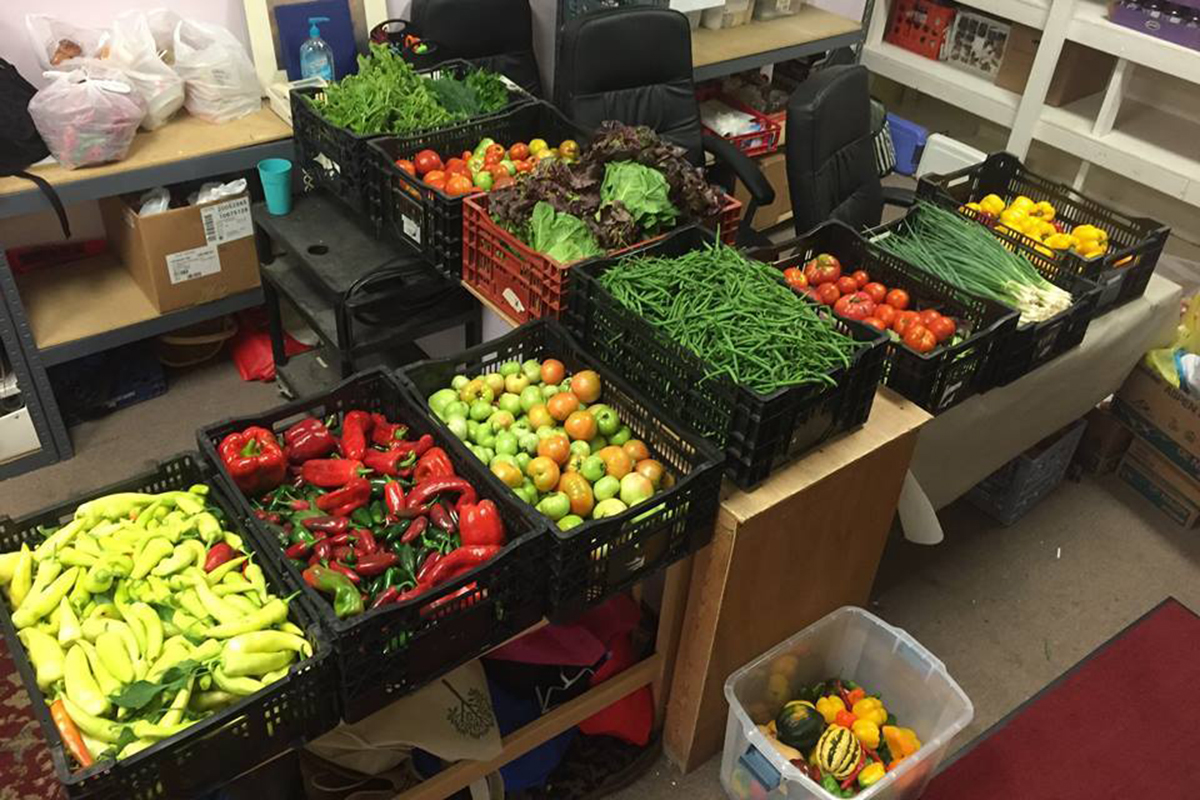
AmpleHarvest.org connects America’s 62 million home gardeners with local food pantries, turning surplus backyard produce into a fresh, same-day solution for neighborhood food insecurity... Read More
At the ReFED Food Waste Solutions Summit in Charlotte, N.C., The Farmlink Project CEO, Eliza Blank, highlighted how the organization is moving away from volume-heavy metrics like “pounds diverted” to act as a sophisticated, rapid-response logistics partner capable of clearing surplus farm produce within a tight 24-to-48-hour window... Read More

The industry faces a pivotal tension between using packaging to extend shelf life and to reduce food waste and navigating emerging material regulations and Extended Producer Responsibility mandates, according to a panel at the ReFED Food Waste Solutions Summit... Read More
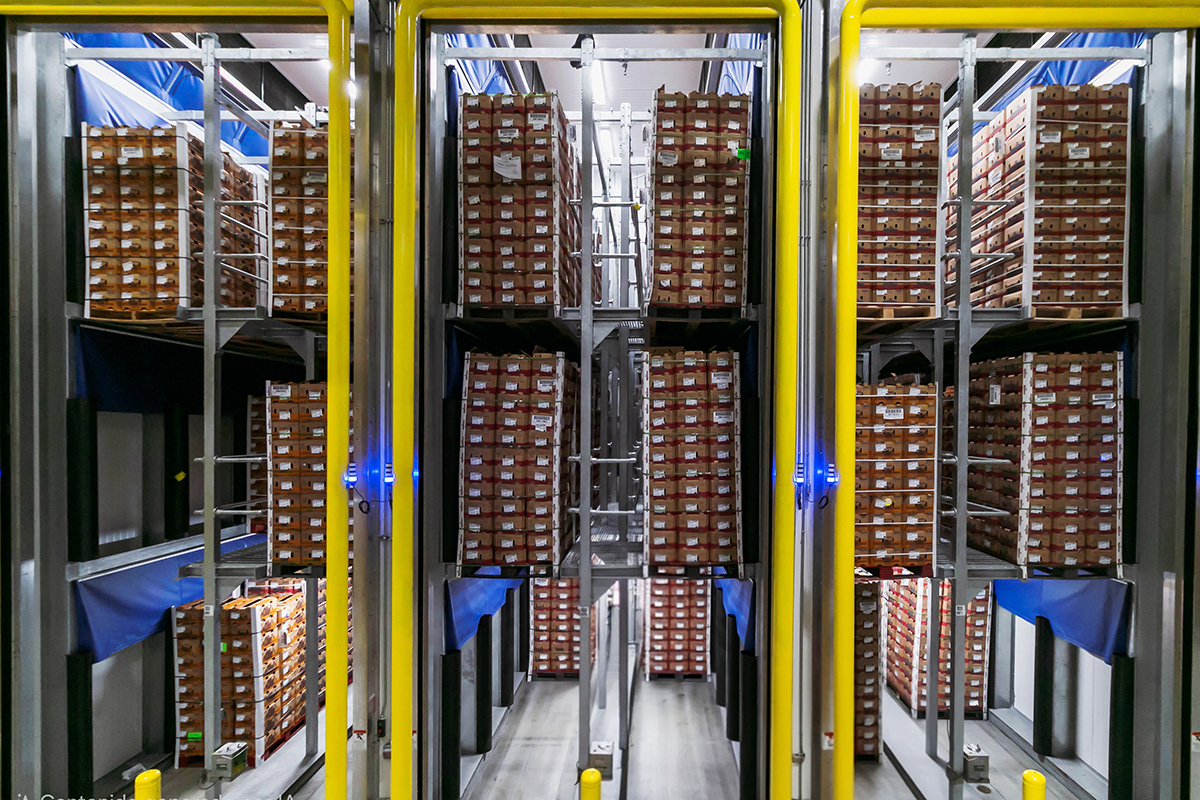
Fresh produce operators are increasingly turning to on-site ethylene generation to escape price volatility and secure their ripening pipelines, according to Catalytic Generators... Read More

By shifting from late-day, expiration-driven discounts to proactive, morning markdowns fueled by real-time sell-through data, U.S. grocery retailers can transform avoidable produce shrink into a powerful lever for both financial discipline and environmental sustainability... Read More
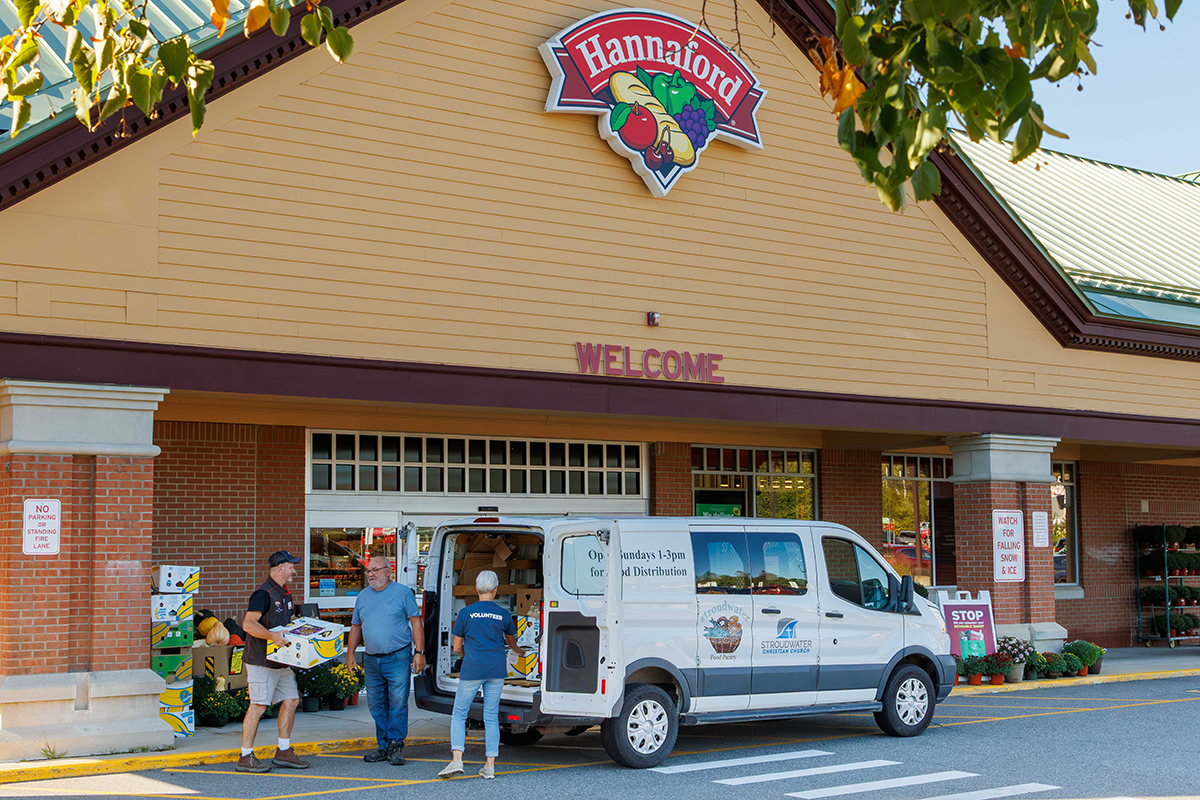
Hannaford Supermarkets’ latest annual impact data reveals a considerable scale-up in hunger relief and regional investment, totaling millions in direct funding for schools, health initiatives and local farms across five states... Read More

The facility supports food retailers, distributors and manufacturers by diverting organic materials from landfills and delivering renewable energy and fertilizers to the region... Read More
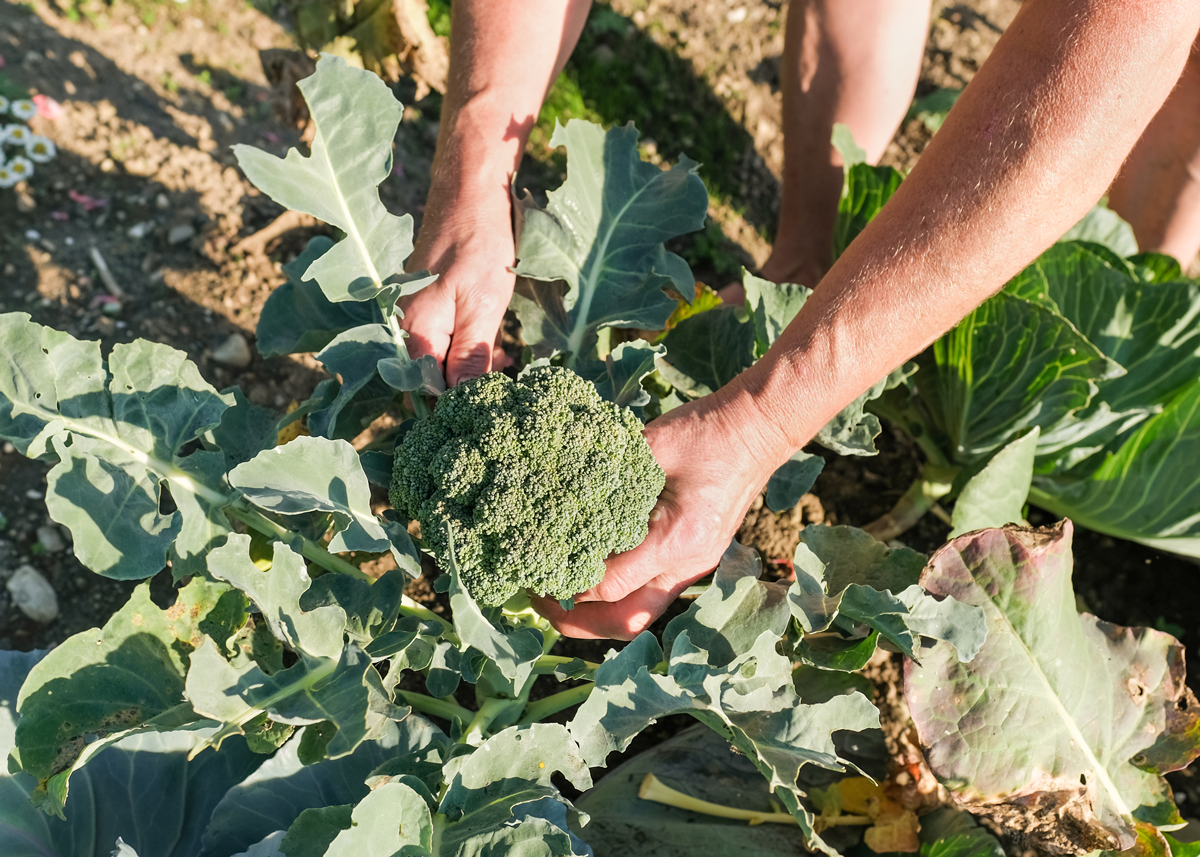
After a successful pilot program, Harps executive Mike Roberts reveals how small supply chain shifts are creating a permanent lift in produce volume and shopper loyalty... Read More

The partnership combines strategic capital investment and renewable natural gas offtake arrangement, advancing Divert to a valuation of over $1 billion... Read More
By training produce experts to identify and rescue fresh fruits and vegetables at their peak, Hannaford ensures that high-quality nutrition reaches local food banks and pantries instead of going to waste... Read More
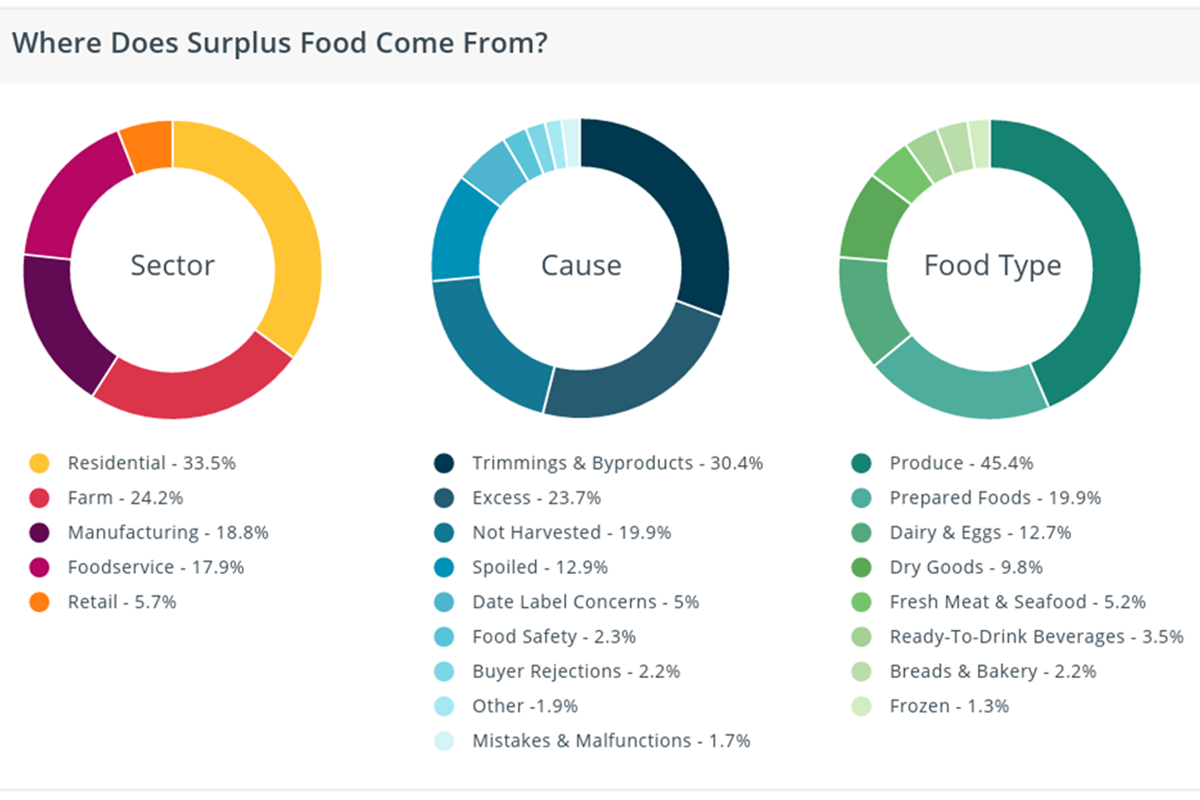
According to a 2026 food waste report, U.S. surplus food dropped by 2.2% in 2024 to 70 million tons, largely due to a nearly 950,000-ton reduction in residential waste as Americans found new ways to extend their grocery budgets... Read More

 Added By Martha Noriega

 Added By Brett Gray


 Added By Kara Badder

 Added By Claudia Escalante-Loaiza