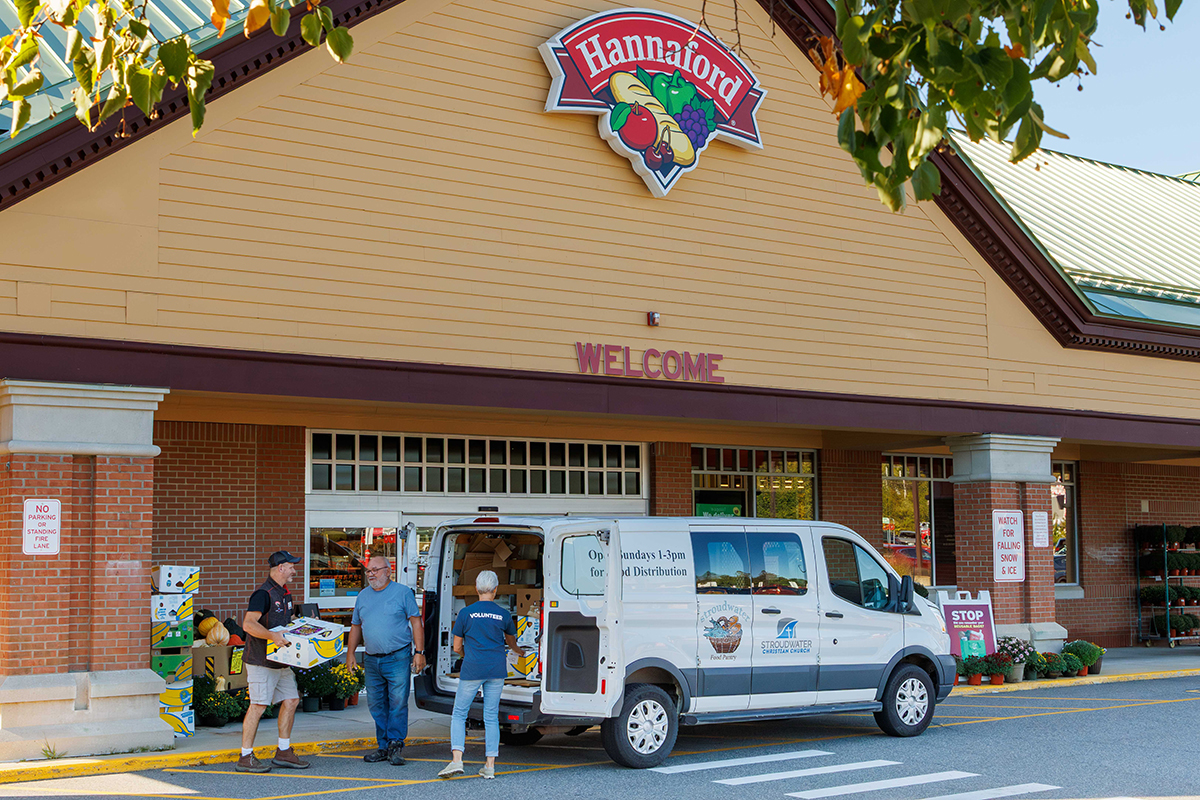
For decades, the backrooms of grocery stores were often the final stop for produce that didn't meet the beauty standards of the retail floor. But at Hannaford Supermarkets, those apples at the bottom of the stack or slightly bruised bell peppers aren't seen as waste; they are seen as a vital resource for a hungry community.
In 2025, Hannaford reached a milestone by donating 29 million pounds of food across the Northeast, marking a 15% increase from previous years. While the numbers are impressive, the strategy behind them is even more precise. According to Ericka Dodge Katz, director of external communications and community impact for Hannaford, this achievement is the result of a highly sophisticated culling process designed to prioritize human health and environmental sustainability.
Art of the Cull: Prioritizing Produce
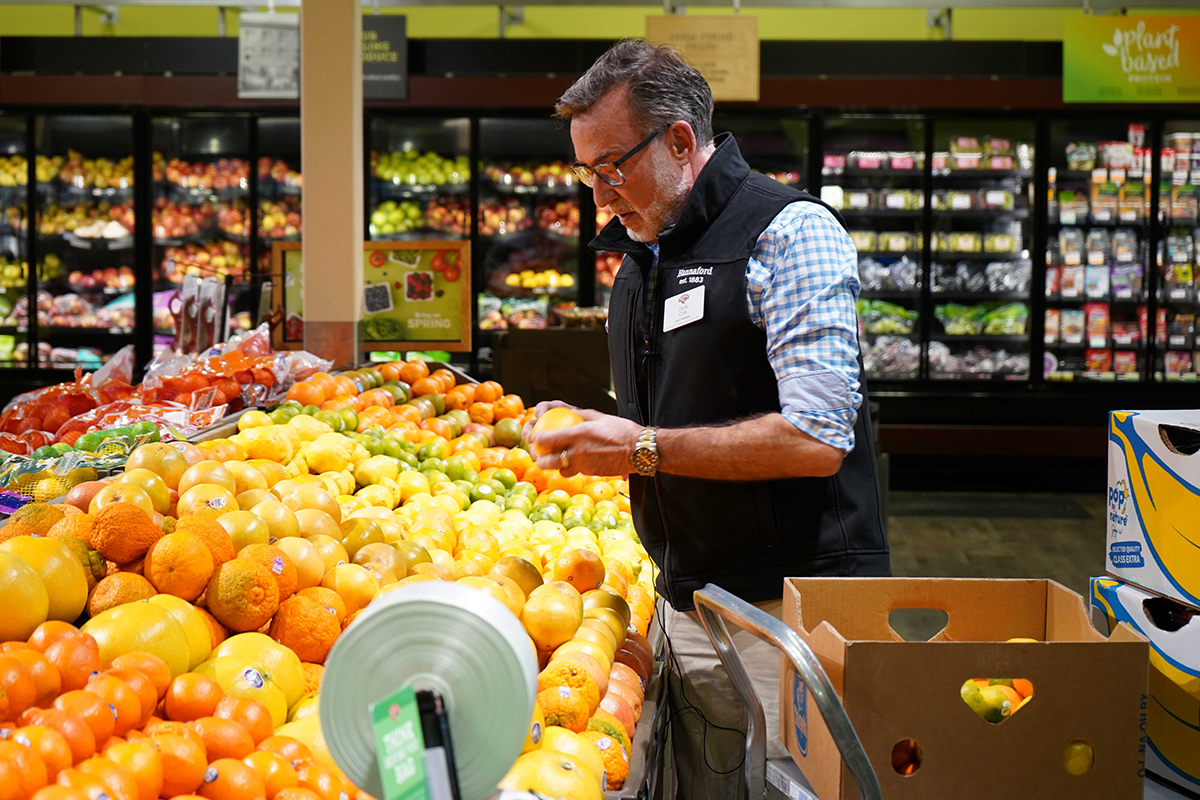
Unlike shelf-stable canned goods, fresh produce is a race against the clock. To manage this, Hannaford relies on the expertise of its fresh-trained associates.
“We don't have someone from the center of the store culling the apples,” Dodge Katz says. “It's the person who has taken stock and replenished that area. They understand the life cycle of a grape or an apple.”
These associates make daily judgment calls based on peak freshness. If a piece of produce is no longer top-shelf for sale but remains nutritionally excellent, it is diverted to the Fresh Rescue program. To maintain quality, Hannaford has implemented specific operational protocols:
- Dedicated cooling zones — Rescued produce doesn't sit on a loading dock. It is moved to a dedicated climate-controlled space in the back of the store.
- Direct transition — Produce stays in these cooling areas until the moment a local pantry partner arrives for pickup, ensuring the cold chain remains intact.
Hannaford's strategy is rooted in the EPA Food Recovery Hierarchy, a mental map shared by associates across all 188 stores. The priority is clear:
- Feed hungry people — The vast majority of sorted produce goes to Hannaford's network of over 450 local pantry partners.
- Feed animals — For produce that has crossed the line of human consumption, Hannaford partners with local livestock and pig farmers.
- Industrial diversion — If the food isn't fit for a farm, it heads to a bio-digester.
This rigorous adherence to the hierarchy allowed Hannaford to achieve zero food waste to landfill as early as 2019. By partnering with companies like Agricycle, it closed the last-mile gap, ensuring that even the scraps contribute to renewable energy rather than methane emissions in a landfill.
Perhaps the most significant recent innovation is how Hannaford is streamlining its partnership with regional food banks. Historically, some items would take a tour of New England — traveling from a store to a recovery center in Maine to be scanned, only to be shipped back to a food bank in Vermont or New York.
Hannaford is now piloting a program to bypass this long-haul logistics model. By processing more items at the store level, it can bundle center-store goods with fresh produce for immediate pickup by local pantries.
“It's happening faster, and it's also reducing mileage and spoilage,” Dodge Katz says. “It's getting food into the community faster because it's not taking this little tour to get there.”
Culture of Uncommon Care
For Hannaford, this is a legacy that dates back to the 1880s. Whether it's an apple going to a local family or a bruised pear going to a neighborhood pig farmer, there is a palpable sense of pride among the staff, she says.
In an industry where perfect is often the enemy of the good, Hannaford has proven that with the right operational precision and a deep-rooted commitment to community, the retail floor can be a powerful engine for feeding the hungry and protecting the planet.