Editor’s note: This column is part of an ongoing series, “The 30 Different Plants Per Week Challenge, Retail Edition.”
For anyone taking on the 30 Different Plants Per Week Challenge, the retail aisles are currently bursting with some serious nutritional heavy hitters.
While the challenge is often about quantity, recent research highlighted by several major growers reminds us that quality and variety are just as vital for our long-term resilience. From protecting your heart to boosting your mood, here are four powerhouse plants to add to your rotation this week, followed by actionable ways retailers can promote these habits.
The Fiber Foundation: Apples
We often hear that an apple a day keeps the doctor away, but the current push from Honeybear Brands is specifically focused on the “why.” With March being National Colorectal Cancer Awareness Month, it is a perfect time to remember that apples are a premier source of fiber.
This is critical, because roughly 97% of men and 90% of women in the U.S. do not meet their daily fiber needs. By keeping the peel on your apples, you consume phytochemicals like flavonoids and polyphenols that help fight certain cancers. Beyond digestive health and cancer protection, emerging research shows fiber can even protect our brains by slowing down symptoms of cognitive decline.
Whether you slice them into a salad or pair them with peanut butter, they are a simple, affordable way to sneak more preventive nutrition into your day.
“We know shoppers are looking to make informed choices. They are aware of fiber’s contribution to good gut health, which supports overall health,” says Kristi Harris, marketing director for Honeybear Brands. “And with apples, it’s easy to sneak more fiber into our diets. Whether you take an apple with you as an on-the-go snack, slice it up instead of chips for lunch or add to a dish for dinner, apples deliver on taste and health in spades. Plus, they are very affordable.”
The Mood Booster: Blueberries
If you find yourself feeling a bit more optimistic after your morning smoothie, it might not just be the caffeine. According to the U.S. Highbush Blueberry Council, a new study published in the journal Clinical Nutrition suggests that women who consumed a diet containing flavonoid-rich foods scored higher in feelings of happiness and optimism over time.
Flavonoids are naturally occurring compounds present in a variety of plant foods. However, the researchers found that women who consumed approximately three servings per day of flavonoid-rich foods such as blueberries, strawberries, apples and citrus fruits demonstrated a 3% to 16% greater likelihood of sustained happiness and optimism.
The results suggest a bidirectional relationship, where women who maintained higher levels of happiness and optimism were more likely to sustain a healthier, flavonoid-rich diet over time.
“What we found most compelling is the potential for a ‘virtuous cycle’ between diet and mental outlook,” says lead researcher Aedin Cassidy. “Not only do flavonoid-rich foods like berries and apples appear to bolster long-term happiness and optimism, but women who feel better are also more likely to maintain those healthy habits. It suggests that simple, everyday dietary choices can be a powerful tool for supporting psychological resilience as we age.”
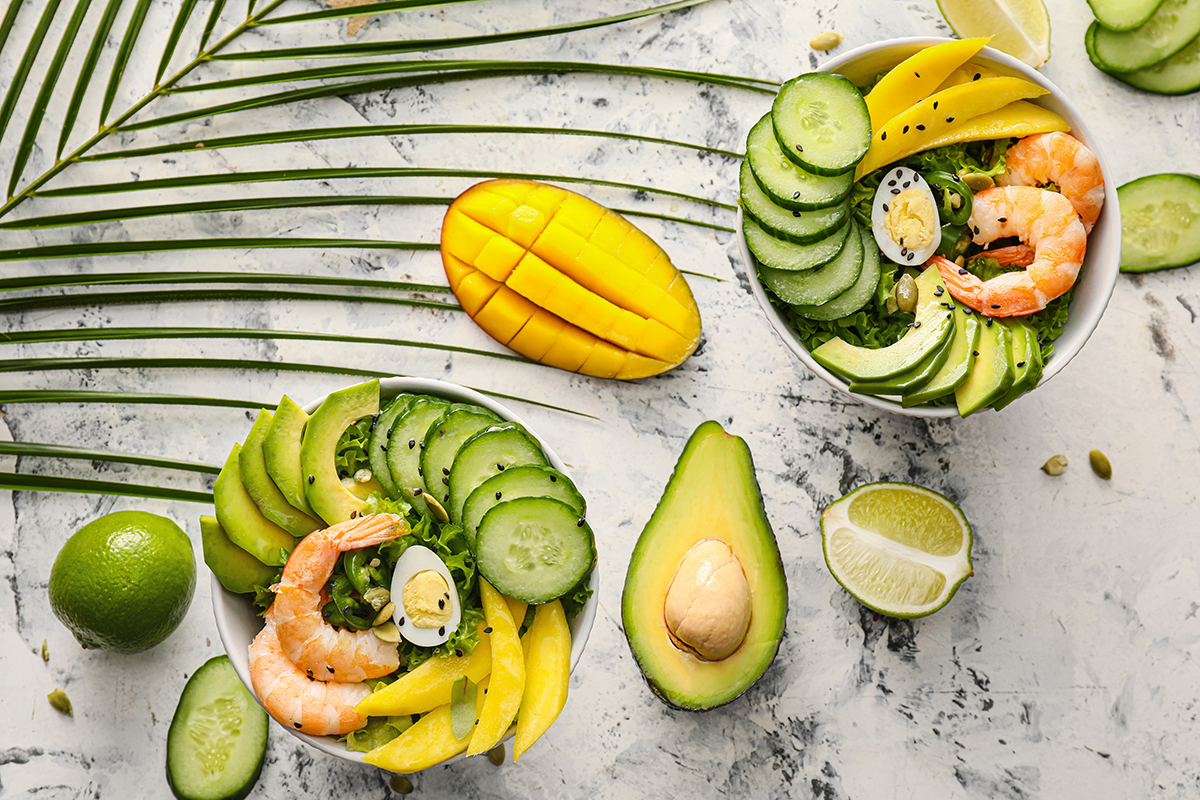
The Heart-Healthy Power Couple: Mango and Avocado
Perhaps the most exciting news for your weekly menu is the discovery of a superfruit pairing that targets heart health. Research from the Illinois Institute of Technology recently found that combining an avocado and 1 cup of mango daily can support key markers of cardiovascular wellness. In a study of adults with prediabetes, this specific combination led to improved blood vessel function and a reduction in diastolic blood pressure.
Individually, these two fruits are already nutritional heavyweights. Mangoes provide over 20 different vitamins and minerals, while avocados offer heart-healthy monounsaturated fats and zero sugar. To make these a staple, you might try Mango Avocado Spring Rolls or Easy Mango Chicken Stir Fry.
For those looking for culturally relevant ways to manage health, chef Pati Jinich and Avocados From Mexico are currently promoting diabetes-friendly recipes like Lime Rubbed Chicken Tacos that use the healthy fats of avocado to create meals that are both nutritious and traditional.
By integrating these four plants, you aren’t just checking off a list; you are actively fueling your body’s defense systems.
Retail Insights
For retail grocers, these research findings offer a goldmine for seasonal merchandising and community engagement. Since March is National Colorectal Cancer Awareness Month, Honeybear Brands is already encouraging retailers to use point-of-sale materials featuring the recognized blue ribbon to remind shoppers of the vital link between apple consumption and cancer prevention.
Because most Americans currently fall short of their daily fiber requirements, high-visibility signage near apple displays can serve as a helpful nudge for customers looking to improve their gut health and reduce disease risk.
Beyond apples, there is a significant opportunity to cross-promote mangoes and avocados together. Given the new research suggesting that eating these two fruits daily can improve blood vessel function and blood pressure, grocers might consider “Heart-Health Bundle” displays, placing fresh mangoes and avocados in the same refrigerated or ambient endcap — perhaps alongside recipe cards.
Finally, retailers can tap into the virtuous cycle of mental well-being by highlighting flavonoid-rich fruits like blueberries and strawberries near the checkout or in the front of the produce department. By framing these fruits as tools for psychological resilience and optimism, you move the conversation beyond simple dieting and into the realm of total holistic wellness.
Your Next Read: