Editor's note: This column is part of an ongoing series, "The 30 Different Plants Per Week Challenge, Retail Edition."
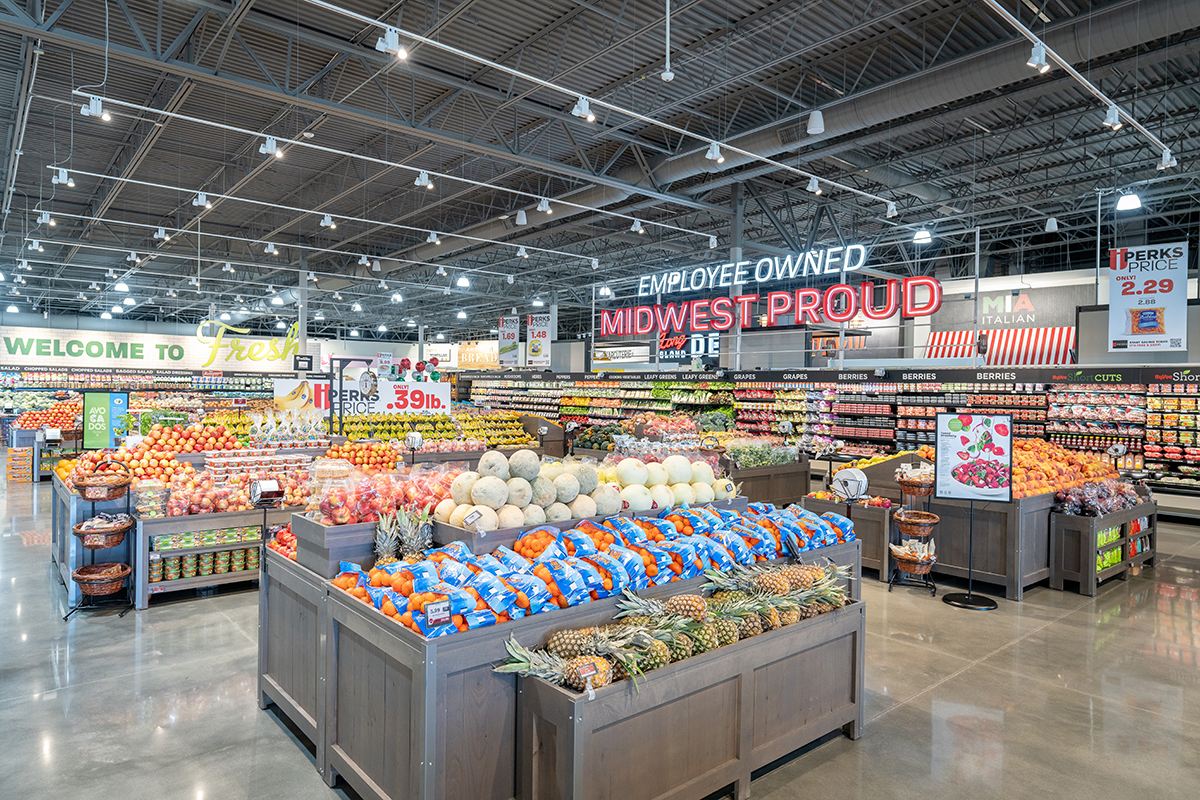
Week 2 of the 30 different plants per week challenge was about learning how support systems make variety easier to sustain. At home, that meant leaning on meal prep and familiar recipes that could handle extra vegetables without extra effort. In the store, it meant paying closer attention to how retailers like Hy-Vee use in-house dietitians to help shoppers move past uncertainty and confidently add more plants to the foods they already enjoy.
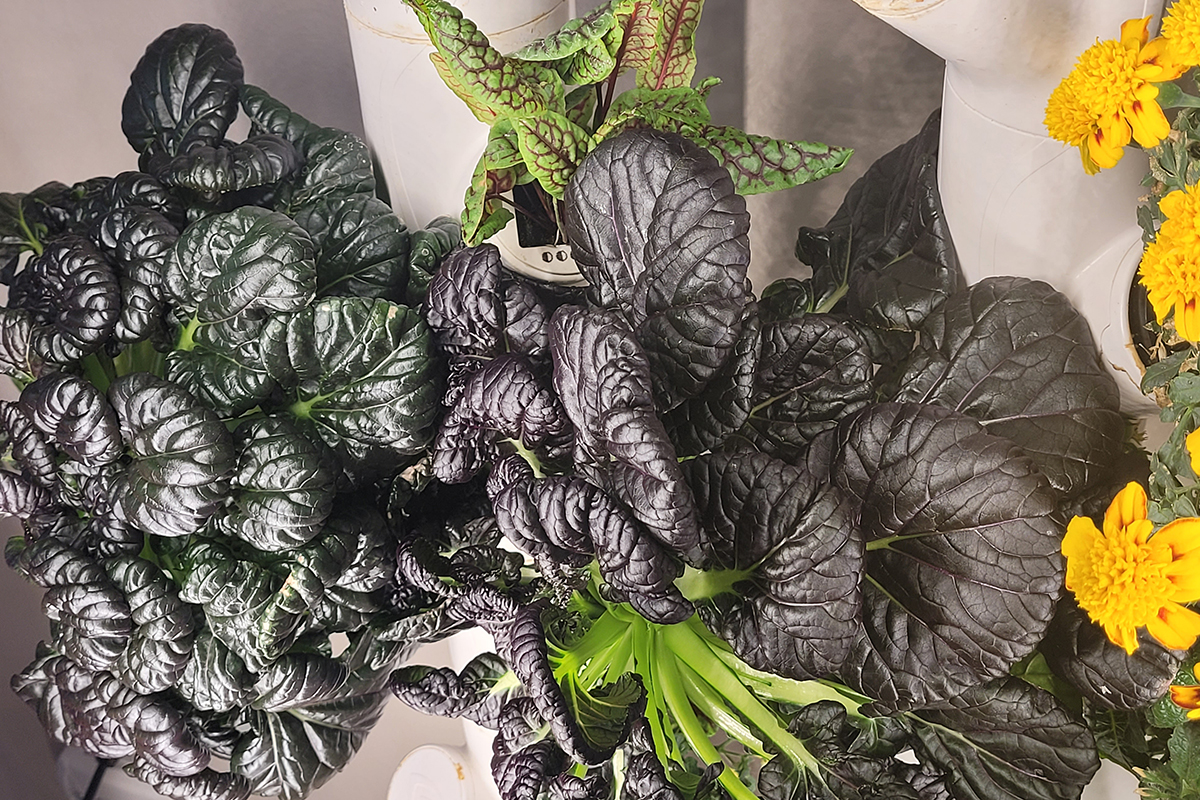
I learned that variety gets easier when preparation is practical. A large pre-cut vegetable platter became a meal-prep go-to, making it effortless to add multiple plants to every meal. Growing tatsoi and red sorrel in my indoor hydroponic garden added nutrient-dense greens that don't always show up in a typical produce run.
To keep breakfasts and lunches realistic during the workweek, I leaned into batch cooking. A warm, hearty soup made with Kevin's chicken basil meatballs included garlic, onions, celery, spinach, tomatoes, broccoli and barley (seven plants in one bowl) and paired easily with a simple salad. Breakfasts also stayed straightforward: sautéed mushrooms and spinach scrambled with eggs, served with yogurt, homemade granola and blueberries on the side.
The biggest lesson of the week was building repeatable habits that naturally layer in plant diversity. That same principle shows up clearly on the retail side, especially in stores that focus on guidance as much as selection.
Hy-Vee's Approach: Making Plant Variety Feel Doable
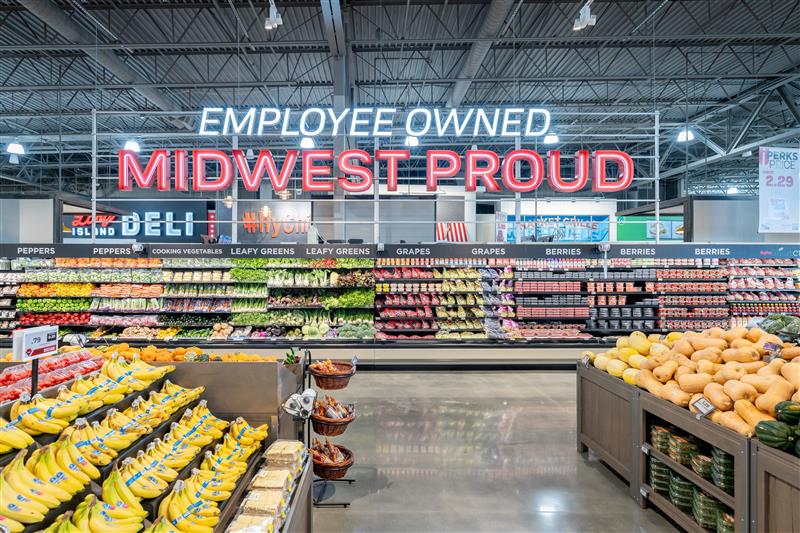
Hy-Vee has long invested in in-store dietitians as part of its customer experience, and that expertise plays a key role for shoppers trying to expand their plant intake without overwhelming their budget or routine.
I sat down with Paige Green, a registered dietitian for Hy-Vee, to learn more.

The Packer: In a large-format store like Hy-Vee, shoppers often stick to the staples they know. When you're walking the aisles with a customer aiming for 30 different plants, what are the top three gateway plants you recommend from the produce department that provide high nutritional variety but are approachable enough for a beginner's budget and palate?
Green: When I'm with a customer who is new to eating more plants, I focus on items that are familiar and easy to use across multiple meals:
- Bell peppers - Naturally sweet and incredibly versatile. Bell peppers pair great with dip, roasted on sheet pans, tossed into pasta or added to eggs. Each color offers different nutrients, so mixing them boosts plant variety without extra effort.
- Spinach (or baby greens) - A simple starter green that blends easily into smoothies, omelets, pasta, soups and salads. Spinach has a mild flavor and cooks down easily, making it perfect for adding nutrition without drastically changing taste or texture.
- Sweetpotatoes - Affordable, filling and naturally sweet. Sweetpotatoes can be roasted, mashed, air-fried or cubed into bowls and salads. They provide fiber, vitamin A and antioxidants. (And they're kid-friendly, too.)
Start by adding one extra fresh produce item to meals you already enjoy, like tossing spinach into scrambled eggs or roasting peppers alongside chicken.
Hy-Vee has been a leader in using in-store expertise to simplify healthy eating. From your experience, what is the biggest mental barrier shoppers face when trying to diversify their plant intake, and how can produce managers use simple signage or usage tips to help them overcome that hesitation at the point of purchase?
From a Hy-Vee dietitian's perspective, the biggest barrier shoppers face when diversifying their plant intake is uncertainty - not knowing how to use produce or worrying it will go to waste. Many customers tell me they want to eat more plants, but they're unsure how to prepare something new or fit it into meals their family already enjoys.
This is where simple signage and usage tips can make a huge impact. When shelf tags highlight quick ideas like "Try me roasted," "Great in smoothies" or "Add to tacos or pasta," it immediately lowers that barrier. Shoppers don't need a full recipe, just one or two practical suggestions to spark confidence.
I also see success when signage focuses on how to use an item rather than just its nutrition. For example, pairing bell peppers with "slice for snacks, sauté for dinner or add to eggs." These small cues help shoppers visualize success before they even leave the store.
Ultimately, the goal is to make produce feel approachable. When customers can picture exactly how a vegetable fits into meals they already love, they're far more likely to try something new.
Why Variety Matters, and How Retailers Can Frame It
Erin Mittelstaedt, CEO ofThe FruitGuys,puts the value of plant diversity in simple, consumer-friendly terms.
"Fruits and vegetables are like snowflakes: Each one is unique," she says. "Apples and zucchini are both good for you, but they have different healthy nutrients and phytonutrients inside. Eating a wide variety of produce will help you get as many of those beneficial compounds as possible and keep your whole body healthy, from your heart to your brain."
Mittelstaedt emphasizes that eating a wide range of produce supports whole-body health because each plant brings a different mix of compounds.
"Every fruit and vegetable has its own combination of nutrients and phytonutrients, like vitamin C, vitamin A, potassium, folate, carotenoids, anthocyanins, polyphenols and more. All of those compounds do different things in our bodies," she says. "Some of them prevent heart disease or protect us from cancer. Others help lower our cholesterol, support our bone health or improve our digestion. The more of them you eat each day, the more health benefits you'll get."
For retailers, this message pairs naturally with merchandising strategies that emphasize abundance, mix-and-match displays and cross-category inspiration rather than single-item promotions.
Takeaways for Retailers
Week 2 of the challenge highlighted several opportunities retailers can lean into:
- Promote prep shortcuts. Pre-cut vegetable platters and ready-to-use greens lower the friction for shoppers aiming to increase plant variety.
- Lead with familiarity. Bell peppers, spinach and sweet potatoes serve as comfortable entry points that can be built into multiple dayparts.
- Use signage that answers "how," not just "why." Simple usage cues help shoppers imagine success at home.
- Frame variety as an additive. Encouraging shoppers to add one more plant to meals they already love feels achievable and sustainable.
Your Next Read:
- Week 1: Surviving a Storm and Finding Strategy in the Produce Aisle
-
Why I'm Eating 30 Different Plants a Week and What It Means for Produce Retail