For many consumers, packaging is a persistent, if minor, adversary. Research shows the average person will spend roughly 43 days of their life struggling to open products, with 84% of shoppers reporting regular frustration. But for neurodivergent individuals and those with sensory sensitivities, these aren't just “wrap rage” moments. They are significant barriers to independence.
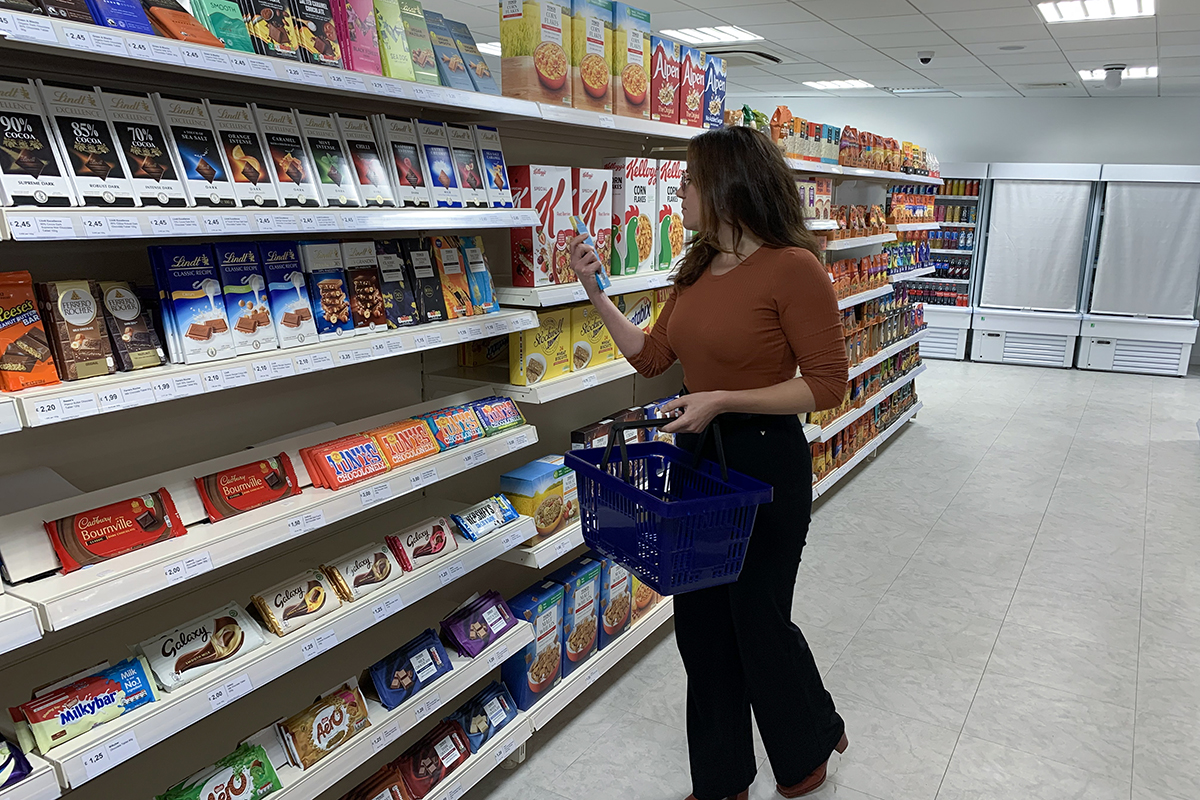
As we mark Neurodiversity Celebration Week this March, the retail industry is shifting its perspective, moving from seeing packaging as a purely functional or aesthetic challenge to a vital sensory and accessibility issue. Leading this charge is retail insights agency PRS In Vivo. In April 2025, the agency unveiled its sensory room as part of its global retail labs — state-of-the-art simulated supermarket environments. By observing real-world interactions, their researchers have pinpointed how visual clutter and tactile friction specifically exclude the 15% of the global population living with disabilities.
Nowhere is this evolution more critical than in the fresh produce aisle. Patrick Young, managing director of PRS In Vivo, suggests the industry is finally moving toward a design philosophy where accessibility and aesthetic appeal coexist.

The Balance of Visibility and Accessibility
Young believes the first step is managing the tension between the shopper's need to inspect fresh goods and the requirement for clear, accessible information.
“Fresh produce is one of the few remaining categories where shoppers still want visual reassurance,” Young says. “Our retail lab research consistently shows that being able to see color, texture and freshness is central to quality perception and trust. That creates an interesting tension when designing for accessibility. The balance lies in hierarchy and restraint. Inclusive design does not have to mean visually intrusive design. High-contrast typography can be placed in structured bands that frame, rather than obscure, the product window. Tactile elements such as embossed icons or corner markers can be positioned on structural areas of the pack rather than over the viewing panel.
“The key is to treat accessibility as an integrated design principle from the outset, not something layered on top at the end. When hierarchy is clear and messaging is simplified, both sighted and visually impaired shoppers benefit,” he says.
As the industry pivots toward eco-friendly materials, Young sees a golden opportunity to simultaneously solve long-standing issues with physical dexterity.
“On the question of sustainability and dexterity, there is a real opportunity for what I would call a ‘dexterity dividend.' Many traditional plastic packs were optimized for cost and shelf life rather than ease of use. As retailers transition to pulp, paper-based hybrids and more flexible mono-material solutions, there is a chance to rethink opening mechanisms entirely,” Young says.
Wider grip tabs, perforations that require less force, resealable paper strips and softer structural forms can all improve usability for seniors or shoppers with arthritis, he says.
“Sustainable design should not only reduce environmental impact but also reduce friction at home. If a pack is easier to open, easier to reseal and easier to recycle, it increases satisfaction across demographics,” Young says.
The Digital Layer
While technology offers new ways to provide information, Young warns smart packaging can inadvertently create cognitive barriers for neurodivergent consumers if not implemented with restraint.
“The digital layer adds further complexity. QR codes and smart packaging offer meaningful inclusion benefits, particularly through audio descriptions or expanded sourcing information. However, our sensory room research suggests there is absolutely a tipping point. When packaging becomes crowded with claims, icons and tech prompts, cognitive load increases, especially for neurodivergent shoppers,” Young says.
The solution, he says, is progressive disclosure.
“Keep the physical pack calm and legible, then allow deeper information to live behind a single, clearly signposted access point. One code, one message, one call to action. Digital should feel like an optional layer, not an obligation,” Young says.
A Long-Overdue Rethink
Ultimately, Young argues tthe produce aisle should lead the way in creating a more intuitive, less stressful shopping environment.
“More broadly, the produce aisle is overdue a rethink,” Young says. “It is often the most natural category in the store, yet its packaging can feel the least considered. If brands and retailers treat transparency, accessibility and sustainability as complementary rather than competing goals, they can create packaging that builds trust, reduces frustration and enhances the overall sensory experience. In fresh produce, simplicity is not a compromise. It is a competitive advantage.”
The findings from the PRS In Vivo sensory room suggest inclusive design is no longer a niche CSR initiative; it is a fundamental driver of shopper confidence. When brands reduce cognitive load and physical friction, they don't just help the one-in-seven people with disabilities, they create a “curb-cut effect” where the shopping experience becomes more seamless for everyone. In a crowded marketplace, the brands that win will be those that realize the best packaging doesn't just protect the product, it respects the consumer's time, senses and abilities.
Your Next Read: Retail Research: Inside the Mind of the Produce Shopper