When a consumer bites into a crisp apple in August, it's a feat of modern science and engineering.
Controlled atmosphere (CA) apple storage is nothing new in the fresh produce industry. In fact, the first commercial use began in the late 1920s and early 1930s in England and has since been enhanced during decades of research.
Many consumers assume stored apples are old, but that's obviously not the case, says Brianna Shales, marketing director for Stemilt Growers.
“People equate freshly harvested to the fruit being fresh,” Shales says. “In fact, we reserve some of the best apples for longer-term storage because they have the starch reserves and overall quality to ensure they are crisp, juicy and fresh-tasting even in the summer months.”
Despite potential fears of “old apples,” those in the fresh produce industry say consumers should understand how natural the process is and how necessary the process is to meet the demands of apple availability 12 months out of the year.
“There's no solution to meeting the retailers' needs and marketers' needs and ultimately the consumer's needs without this technology,” says Duncan Aust, chief technology officer for AgroFresh.
Shales says it's important for the fresh produce industry to debunk these myths and help consumers better understand the advantages of CA-stored apples.
“It's important to walk consumers through the CA process in easy-to-understand terms so that they can see how the physiological makeup of an apple allows for a process like CA to benefit the eating experience,” she says. “Share how planning and precision of taking them out of CA and quickly packing/shipping them to retail stores ensures we put the freshness back into their hands.”
What is Controlled Atmosphere Storage?
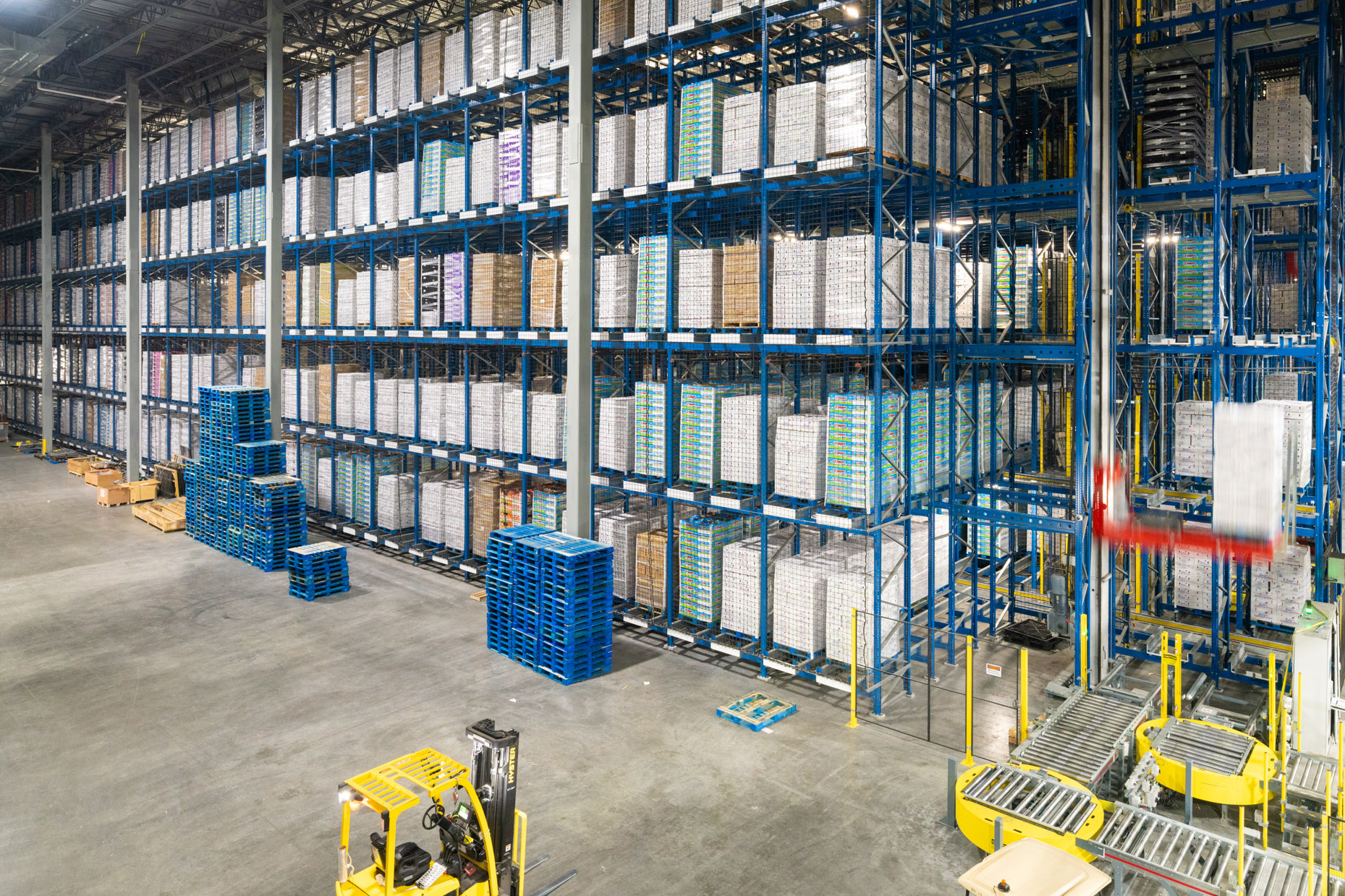
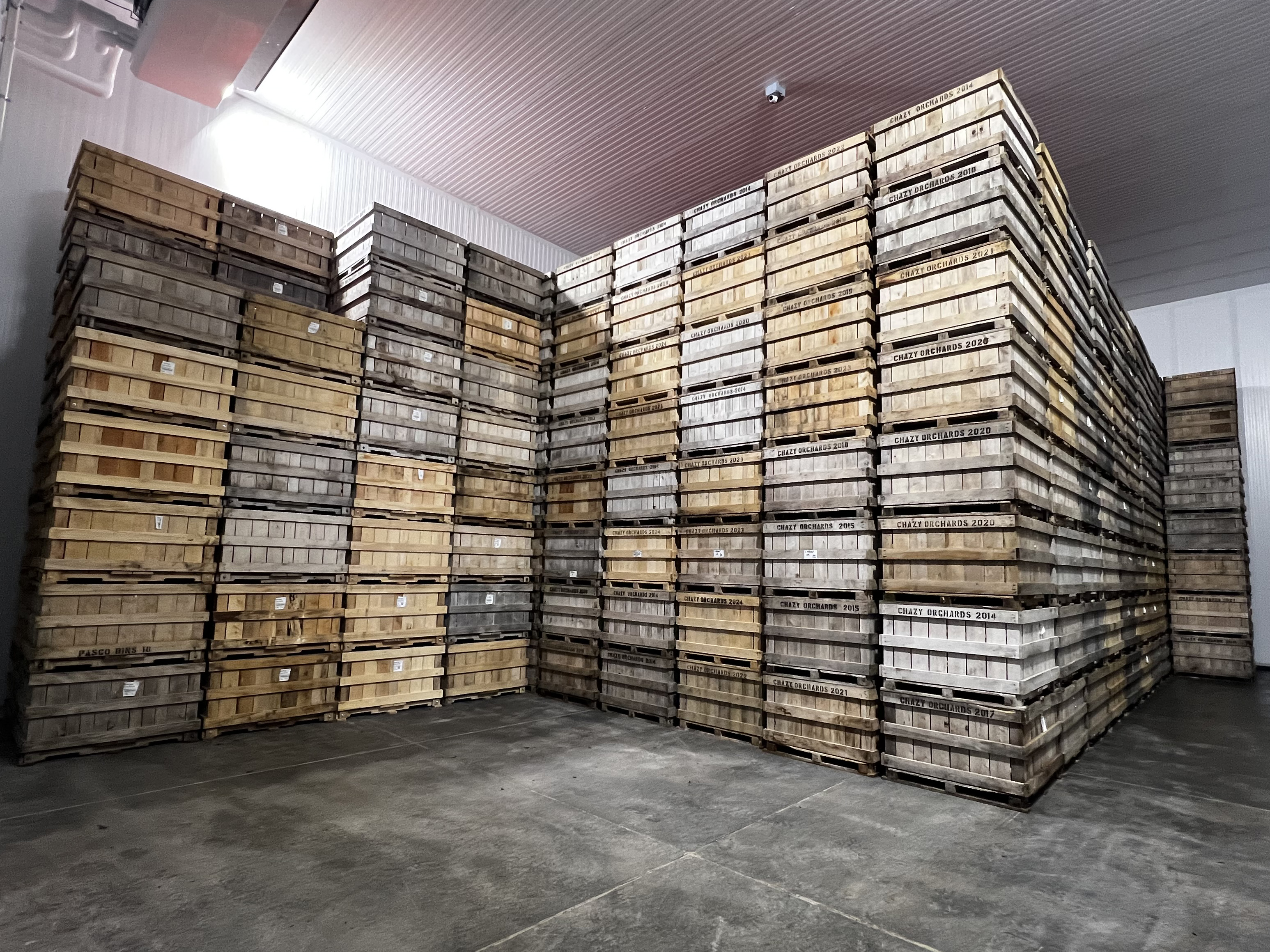
Essentially, CA storage rooms are airtight rooms with cooling capabilities tailored to a specific apple variety.
Picked apples are still living, breathing organisms. Once picked, apples undergo a quick cooling and are then put into CA storage rooms to stop the ripening process. Once sealed, these rooms change the air inside the room to drop the oxygen down to a point that keeps the apples alive, but not enough to continue the ripening agent.
Packinghouses raise the carbon dioxide in these rooms to slow the apples' metabolism. Other technology adds nitrogen to displace the oxygen in the room, and packers can either deploy 1-methylcyclopropene (1-MCP) to slow the ripening process or use machines to scrub out ethylene.
Apples can stay in this state for six to 12 months, and growers and packers often select fruit that are mature but not fully ripe to enter storage for longer months.
“What the technology does is basically puts the apples to sleep, almost. It's like suspended animation,” Aust says. “We take the apples, we put them in a chamber and we basically lower the concentration of the oxygen. We lower the temperature, and we monitor what's going on with those apples as they slow down their respiration rate. And that allows those apples to then stay in there for many, many months to meet the need.”
Why Are Apples Placed in CA Storage?
Aust says CA storage helps keep U.S.-grown apples available in stores for longer stretches beyond the typical harvest window of August to early November. As consumers expect to see apples available year-round, CA storage is a necessary means to provide that availability. Aust notes that without CA storage, apples would be imported to somewhat meet the demand.
“There's no possible way that could be done without coming up with solutions and/or technologies to be able to preserve those apples, short of buying them from other countries all over the world and paying a lot of money to have them shipped in by boat and by plane,” he says. “That would ultimately cost a load more money, and even then we wouldn't have around a 12-month supply.”
Aust says another important part of CA storage is how it helps prevent massive food waste.
“If we didn't do that, the vast majority of the apples we picked would go to waste, because we'd never be able to consume them in that period of time when they were fresh,” he says. “There's so many benefits to this CA storage.”
Shales agrees, noting that apples in CA storage help reduce food miles as well as deliver great-tasting fruit.
“The consistency in the eating experience is a huge advantage of CA storage, as well as being able to purchase U.S.-grown apples, and in many cases from regional farms, close to the shopper's backyard,” she says. “It not only extends Washington's season but also New York and Michigan. Retailers don't need to rely on importing products, which keeps dollars coming from the U.S. consumer back to the U.S. farm producer.”
What to Know About CA Storage
Jim Schaefer, owner of Storage Control Systems, which is a manufacturer and supplier of CA storage, says it's important to remember that this process, albeit refined thanks to research and modern technology, is something his grandfather did back in the 1950s.
“We've been doing this a long, long time, and we've perfected it,” he says. “From the five months that my grandpa stored fruit, now you have all your chains that want a constant 12-month supply.”
Aust says CA storage is a highly researched and highly regulated process, so consumers shouldn't be afraid to eat apples that come out of storage and have been washed, sorted and packed.
“The perception that these apples are put into these rooms and treated with a whole load of nasty chemicals, and ‘What am I eating?'” he says. “Not true.”
Schaefer says researchers have perfected strategies for each variety so when a consumer buys a Honeycrisp, gala or Cosmic Crisp, it's a good eating experience.
“Every variety now has a recipe or a regimen that they're stored at,” he says. “And over time, the universities have helped immensely.”
Aust also says researchers have spent time to understand how apples change in storage, as well as how flavors develop in storage and once out of storage.
“It's taken decades for people to work all of that out for all the different varieties of apples,” he says.
Other things Aust says are important to know are that most apples in short-term storage aren't treated with any chemicals, but those that are in long-term storage might be treated with a fungicide to deter any pathogens from developing in storage. All approved chemistries are highly regulated by the EPA, and all apples coming out of storage go through a vigorous washing process, he adds.
“But even then, when those apples are taken out of that room, they're put down processing lines, they're washed, they're cleaned, they're sanitized, they're packed,” he explains.
Aust says some packers also deploy 1-MCP, which mimics a plant's natural ethylene hormone, and it blocks the ethylene receptors in produce, also helping to slow the ripening process.
These CA storage facilities also have ample access to technology that Aust says helps packing operations understand exactly what's going on in each room. This way, packing facilities prioritize when apples come out of storage to deliver a premium eating experience for consumers.
“This takes that guesswork out of the way,” Aust says. “It gives them the ability to, in real time, understand what's going on and make decisions based on that so that they don't open a room, heaven forbid, and the apples are too far gone and they lose all of that. They have visibility that they can make sure that they can go in at the right time, take them out at the right time and get them to where they need to go at the highest quality.”
Schaefer also says his company offers dynamic CA technology to help fine-tune packouts by detailing the respiration rate of the apples in storage.
“By knowing the respiration rate, it's telling you how fast it's breathing,” he says. “The faster the fruit is breathing, the earlier it needs to be packed, and even if it was starting to develop some internal issues, it will breathe harder and go to the top of the list. So, the technology's out there that if you can start listening to the fruit, you're going to know when to pack it and what room is going to go long.”
Shales says it's important to highlight the critical role that CA storage plays in the tree fruit industry.
“Apple production would not be at the volume it is nationally without CA storage, nor would many farms exist,” she says. “Apple consumption is not at stellar levels in the U.S., but without CA storage, it wouldn't even be where it is today. As a food that provides numerous health benefits, that is not something I'd want to see.”
Bottom Line
One thing to remember, Schaefer says, is that not only is CA storage a natural process, it's also used for organic apples.
“It's a natural process that really our forefathers used and we use today,” he says. “How many things are like that? How many things can you say that this is what they did in 1958 and we're really still doing them today, but we've refined them with better technology of oxygen and CO2 analyzers.”
Aust says it is also important to stress the science and research that has gone into CA storage.
“There's decades of science and regulatory work that's gone into making sure that, at the end of the day, these processes produce the best and highest-quality apples so that we're going to enjoy them and enjoy eating them and be safe,” he says, adding that consumers should realize “the amount of science, the decades of research, the amount of technology that goes into giving them that box of fresh apples whenever they want it.”
Shales says the industry should tout the advantages CA-stored apples provide so that produce managers and store staff can better communicate that information to inquiring consumers.
“As an industry, the biggest message we should share to consumers is that they can be confident in purchasing apples that will be crisp, juicy and delicious no matter what time of year it is,” she says. “That is a journey that we'll never fully arrive at the destination but must keep striving for. Consistency and flavor are key to growing consumption.”