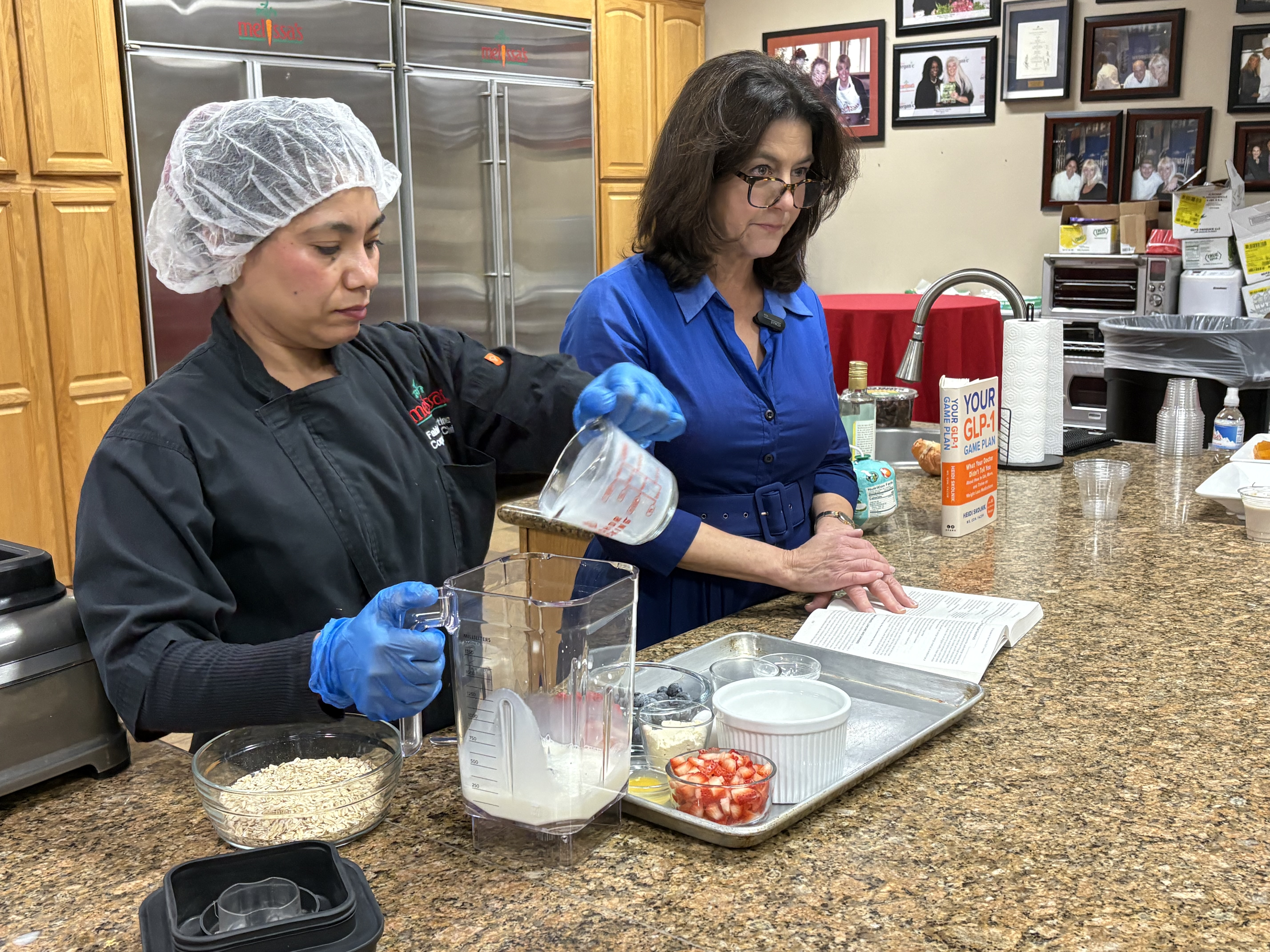
LOS ANGELES — The growing use of GLP-1 medications for weight loss that seems to be sweeping across America could be a boon to the produce industry, and Melissa's Produce is already embracing the trend.
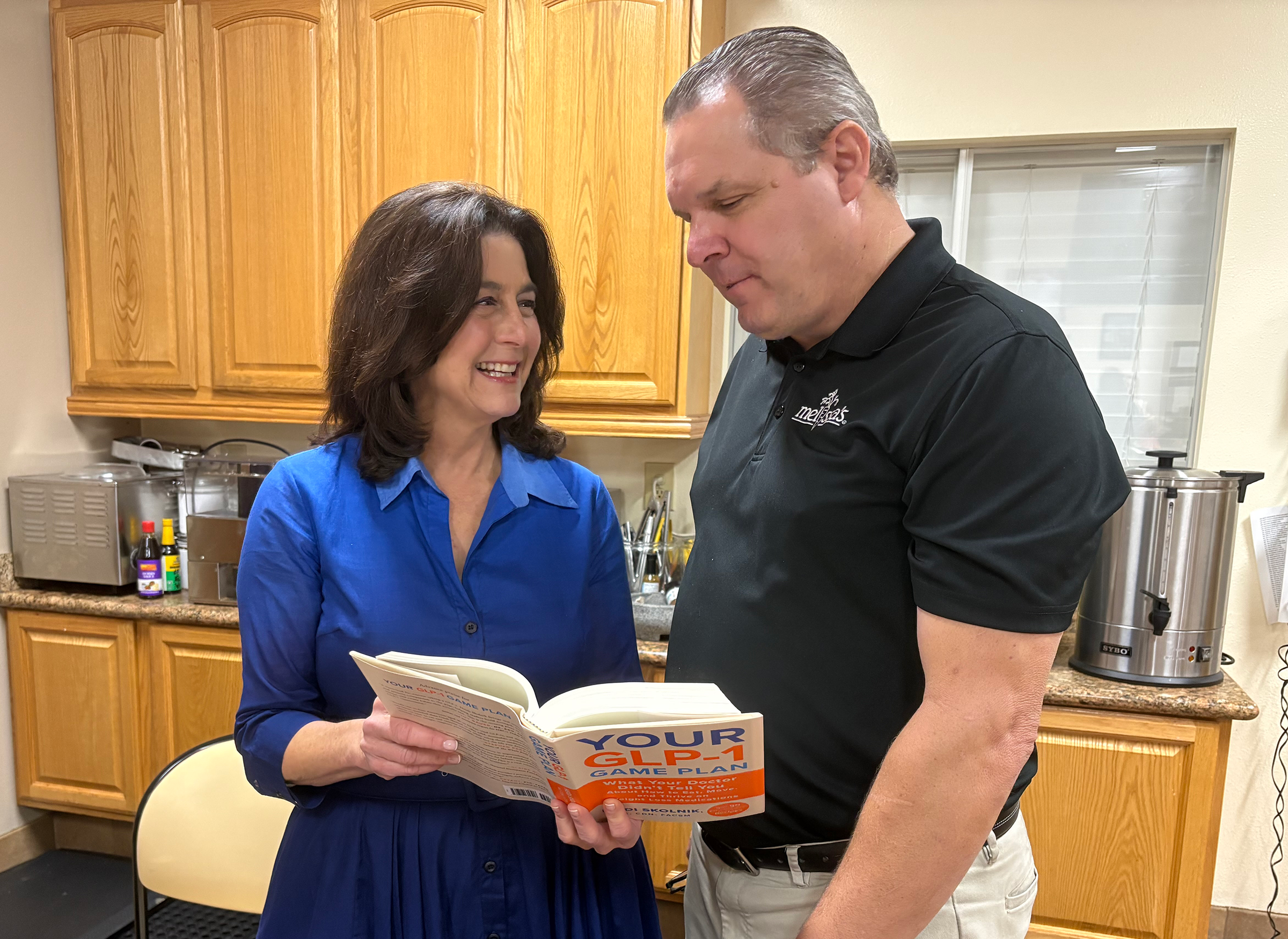
The specialty produce distributor invited sports nutritionist Heidi Skolnik, author of a newly released book, titled “Your GLP-1 Game Plan: What Your Doctor Didn't Tell You About How to Eat, Move and Thrive on Weight Loss Medications,” to a media event with local journalists Sept. 30 to discuss her book and talk about its impact on the produce industry as well as on consumers who have picked up on the trend.
Skolnik was inspired to write the book after her own husband, Michael, unbeknownst to her at first, started taking a GLP-1 medication. He eventually became malnourished, developing iron deficiency anemia and other side effects.
As a nutritionist, she was able to nurse Michael back to health; after recovering, he suggested she write a book. She says she followed his advice because she thought such a guide could give the public valuable insight into what happens beyond the GLP-1 prescription.
As consumers undertake their weight loss journeys, symptoms like fatigue, muscle loss, nausea and other side effects are not uncommon. The book explains how a proper diet can manage those side effects, promote better sleep, improve strength, boost stamina and more. In all, she's included 50 recipes, all of which feature fruits or vegetables.
That's where the produce industry comes in.
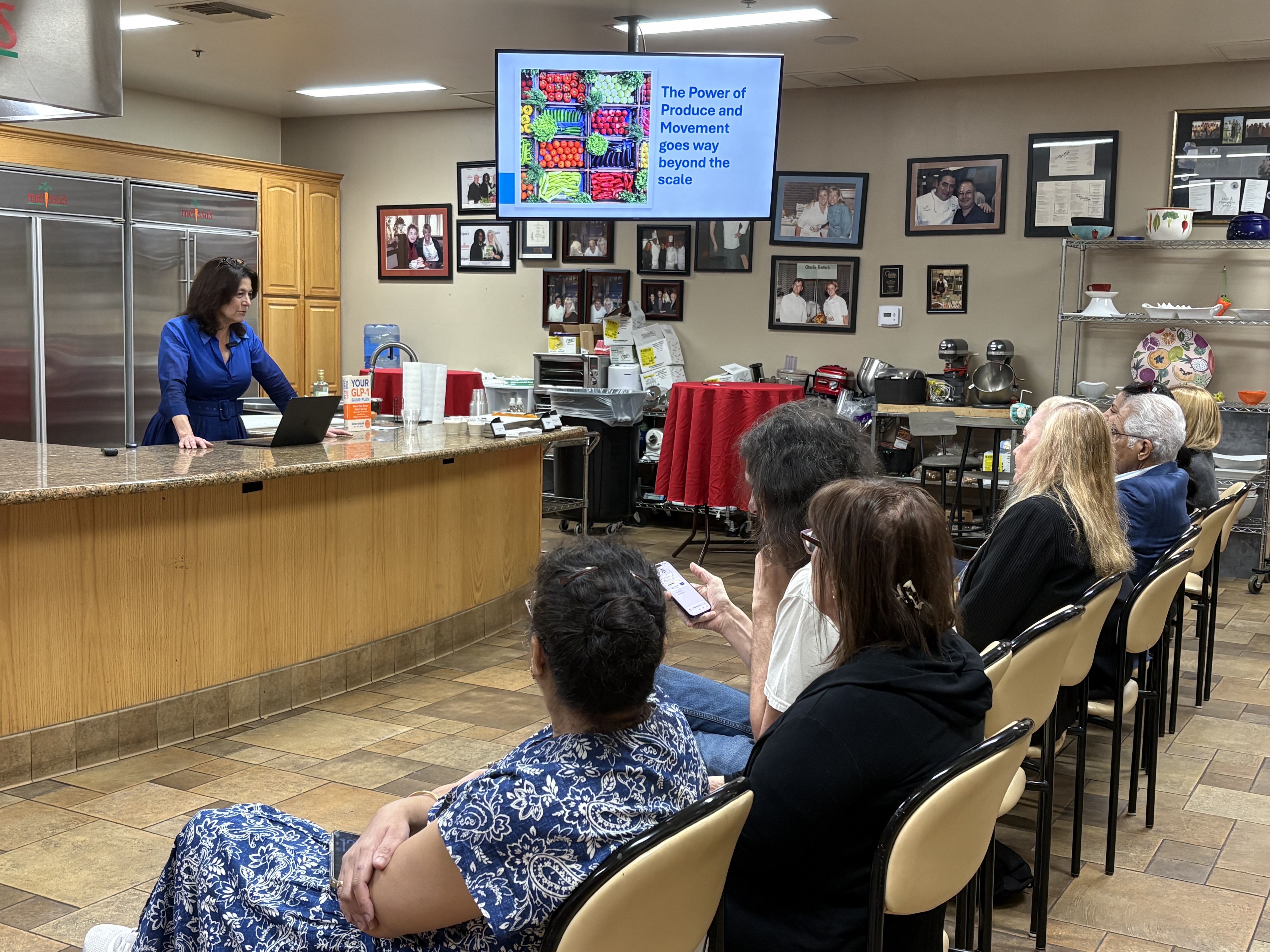
“The medication doesn't nourish you, and it doesn't make you strong,” she says. “You still have to eat and move in a way that supports your well-being, and produce is center stage of that.”
She cites the 2026 PwC (PricewaterhouseCoopers) GLP-1 Usage & Attitudes Survey that indicated that 44% of GLP-1 users are buying more fresh produce and fewer sweet treats and salty snacks.
Skolnik's book may be only the beginning of an industry trend, says Robert Schueller, Melissa's director of public relations.
“Heidi's written the template for what other people are going to write books about,” he says. “She is pioneering a new category of cookbooks that are coming into marketplace.”
A GLP-1 prescription is “not a deprivation of food, it's an enhancement; that's how the produce industry is going to win on this,” Schueller says.
When doctors prescribe or recommend something, people listen, he adds.
“They're going to be listening more to doctors about consuming more fruits and vegetables,” Schueller says.
Skolnik thinks supermarkets may even change their store layouts and direct shoppers who are on a GLP-1 program to foods that are higher in fiber and pairing those with high-protein offerings “and doing more prepared meals that have a greater proportion of produce in them to really satisfy this user.”
“Produce doesn't always get the top billing it needs, but now it will, but in a way that is really satisfying a need out there,” she says. “One in eight adults now are on GLP-1, and that's just going to continue to rise.”
The book has prompted Melissa's to step up its appeal to GLP-1 consumers.
“There will be a lot more talk, especially on social media and on our website in regard to how [GLP-1] is a win-win for the produce industry,” Schueller says.
“This is authentic,” Skolnik adds. “I think there is going to be a lot of GLP-1 labeling that doesn't necessarily mean anything unless you know how to interpret it, but these claims are right on in terms of needing produce and needing more fiber particularly.”