Editor's note: This story is part of an ongoing column, “The 30 Different Plants Per Week Challenge, Retail Edition.”
It might not have been the best timing to launch a 30-plants challenge and a subsequent column about the quest the week before a snowstorm. I watched last week as shoppers across much of the country shared videos and photos on social media of produce aisles stripped bare. Kansas City shoppers, where I live, were preparing for the storm as well. Bananas, avocados, potatoes and onions, all gone from the shelves.
Fortunately, I've been eating this way for a while. My pantry is loaded with plants — whether it's the variety of grains such as barley, bulgar, quinoa (not technically a grain), wheat and spelt flours and rice, nuts and seeds like almonds, walnuts, cashews, pumpkin, flax and chia, an abundance of dry beans and legumes or produce that I have either canned, frozen or dehydrated — so I had a good starting point.
Still, I made a Costco run the Wednesday before the storm and was able to purchase many of the fresh items I would need for the week: jumbo containers of mushrooms, broccoli, berries, citrus, spinach, a four-pack of pomegranate arils and more filled my cart. I stopped by a local ethnic grocer, World Fresh Market, and grabbed some produce items I can't always find at the grocery store, so I would have some fun new flavors to taste in the first week. I picked up the vibrant purple Okinawan sweetpotato, the fiber-fueled dragon fruit, a mangosteen with its hints of strawberry, peach and vanilla, and my first time purchasing chayote and jicama to round out a week of flavors and different plants.
I was ready to officially begin the The 30 Different Plants Per Week Challenge, Retail Edition. Impending storm be damned. I was prepared.
Week One: What I Noticed Right Away
Cold weather calls for soups and stews, so I simmered a hearty stew filled with beef, barley, carrots, onions, garlic, potatoes, tomatoes and green beans in beef broth (seven plants), another vegetarian soup that was warming and flavorful with mushrooms, onions, garlic, sweet potatoes and wild rice (five plants) simmered in chicken broth and finished with coconut milk at the end. I baked two baguettes combining wheat and spelt flours (two plants) to dip into the hearty soups. For side dishes, I prepped a cucumber and onion salad, boiled and marinated some beets and made some salad jars with corn, black beans, butterhead lettuce, carrots and bell peppers topped with homemade avocado crema. I had also picked up a jar of kimchi from Costco that will feed me for a while. For breakfast prep, I made a batch of blueberry banana muffins and some egg cups with tomatoes and spinach.
Although some ingredients were duplicated (and the point is to eat 30 different plants), this gives you an idea of how a simple day of meal preparation can lead to nearly 30 plants consumed in one day, let alone an entire week. It's definitely doable with a little foresight and a constant eye for adding more plants to meals.
I'll go into more detail about what constitutes a plant next week.
What surprised me most during the first official week wasn't how hard it was to eat more plants, but rather how quickly my perspective shifted in the produce department.
Once I started thinking in terms of “plant counting,” items I often treated as afterthoughts suddenly mattered more. Fresh herbs went from optional to essential. A handful of cilantro or parsley didn't just add flavor; it added diversity (and counts as half a plant — more on this next week). A scoop of pumpkin seeds or a sprinkle of chia seeds suddenly felt purposeful, not decorative.
I also noticed how much easier variety became when I leaned on multiple forms of produce. Value-added produce such as salad mixes (counts as multiple plants), pre-cut vegetables and microwavable green beans made it easier to say yes on busy days.
I also became more aware of where I hesitated. Unfamiliar items slowed me down. Clear signage, recipe suggestions and simple usage cues sped me up. The experience reinforced something retailers already know but don't always see through a shopper's eyes: Intention only turns into action when confidence is there.
Why Variety Within Categories Matters
Beyond just checking a box for the week, the 30-plant challenge encourages a deeper level of nutrient diversity that shoppers often overlook. Leslie Wada, senior director of nutrition and health research for the U.S. Highbush Blueberry Council/North American Blueberry Council says, “variety is so important” because there are thousands of phytonutrients, and each plant is uniquely high in specific ones.
While we often group all fruit into one bucket, the biological benefits vary wildly from one item to the next. For instance, while a banana is a healthy staple, it won't provide the specific anthocyanins found in berries. This is why Wada says the council has advocated for dietary guidelines to include fruit subgroups, much like the green, orange and red categories for vegetables, to help consumers understand that a blueberry offers a different functional profile than an apple or an orange.
For the plant-counting shopper, this distinction is key to building a resilient gut microbiome.
“To accept the fact that, in general, a diverse microbiome is better, we are seeing unique changes [with blueberries],” Wada says, adding that the goal is to get “more of the good stuff, and more different kinds of it.”
In the produce aisle, hitting the 30-plant goal requires selecting a wide spectrum of these different subgroups to capture the full range of synergistic benefits that plants offer when eaten together.
Early Takeaways for Retailers
What worked:
Costco's produce department made the 30-plants challenge feel achievable by leaning into scale, consistency and simplicity. The variety of options made it easy to commit, yet the finely tuned assortment reduced decision fatigue. Costco's reliable staples in generous supply encourage shoppers to actually use what they buy. The variety of salad kits provides ways to easily eat multiple plants in one meal. For plant-forward eaters, Costco's approach supports repeat exposure to core produce items, an important first step before branching out into more unfamiliar options.
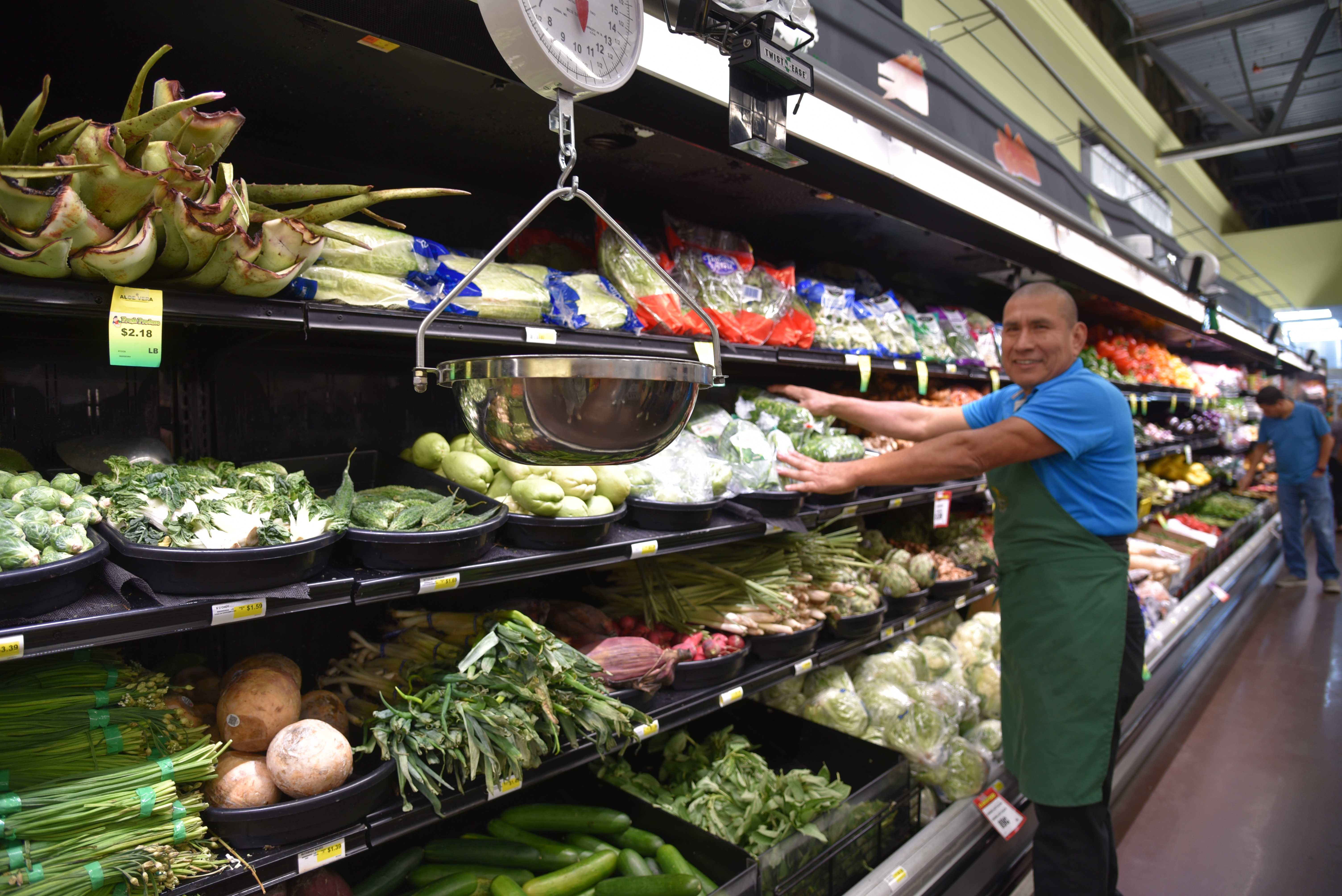
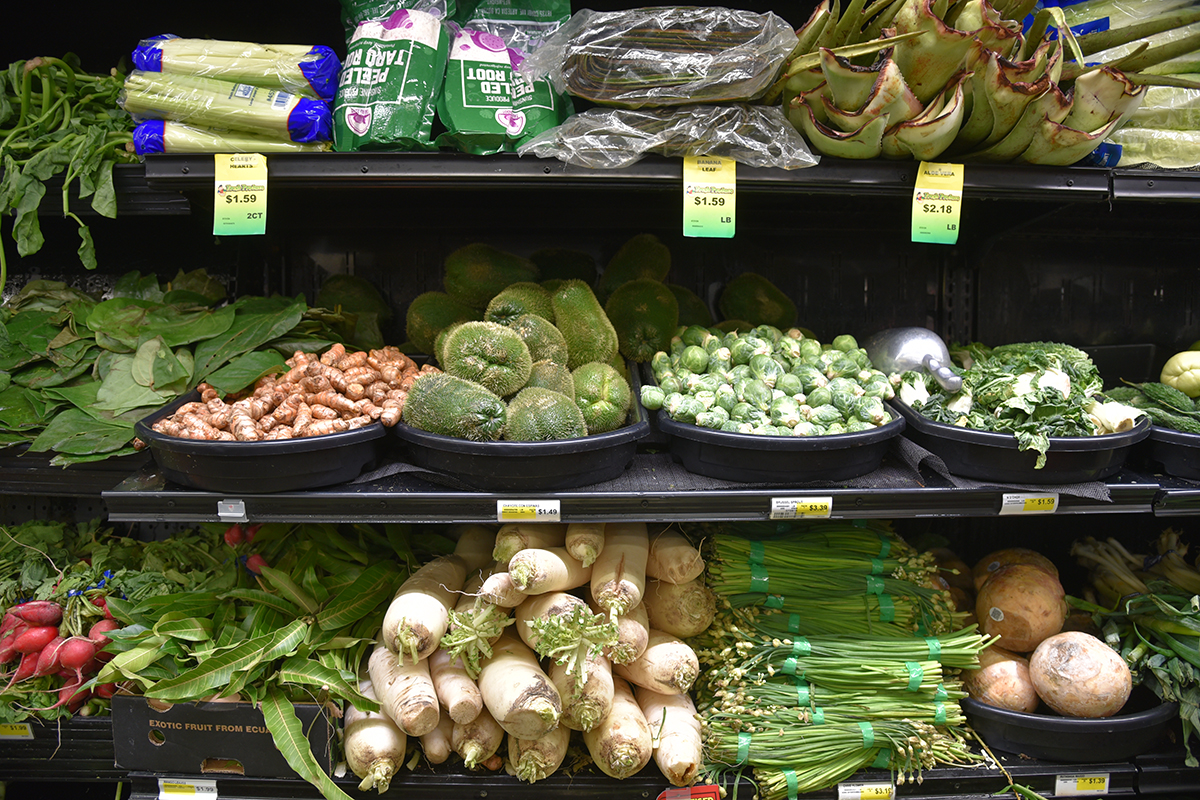
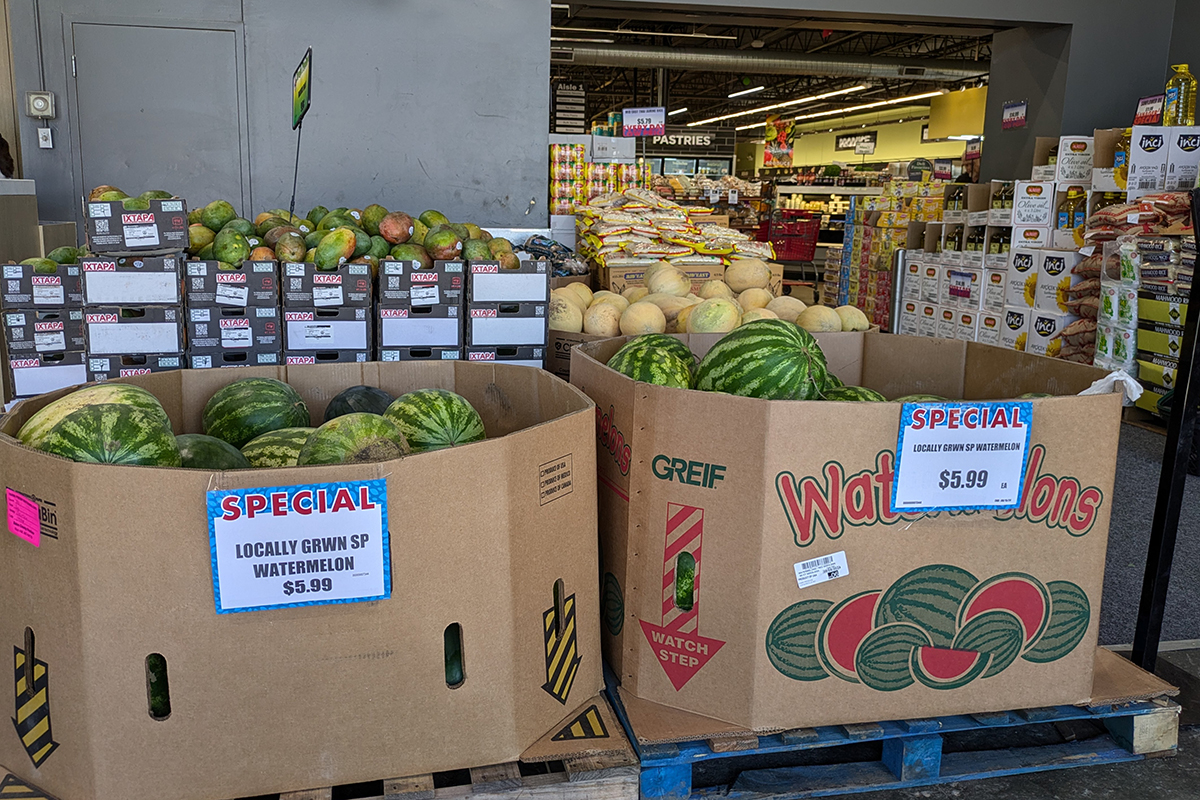
At World Fresh Market, the retailer puts produce front and center, literally drawing you in to the produce aisle. The second I entered the cart bay, before even entering the store, huge bins of mangoes, sweetpotatoes, citrus and more filled the entrance. This led almost like a path from the front door to a display of berries, then avocados and more, ending at the entrance to the produce aisle, a massive display of exotic and international produce. This ethnic grocer excels at turning variety into inspiration.
If there's one early lesson, it's that small educational cues, especially around unfamiliar items, can be the difference between intention and action.
Retailer's Corner: Lessons from Week 1
The 30-plant challenge changes how a customer looks at your shelves. Here is how to capture that “plant-curious” spend:
- The “variety pack” advantage: If you carry multicolored carrot bags, mixed-medley potatoes or power-green salads, label them with a “5 Plants in 1 Bag” sticker. For a 30-plant shopper, this is an irresistible convenience.
- Bridge the fear gap: My purchase of the mangosteen was driven by its flavor profile (strawberry/vanilla). If you carry exotics, don't just name the fruit, name the flavor. Small shelf talkers that say “tastes like a mix of peach and pineapple” entice the consumer to try something new.
- Don't ignore the dry goods: The 30-plant challenge includes grains, nuts and seeds. Retailers can increase basket size by cross-merchandising walnuts or pepitas directly in the produce aisle near the salad kits.
- The “half-plant” hero: Because herbs count toward the goal, they are no longer just an ingredient; they are a milestone. Ensure your herb displays are fresh and highly visible.
Next Week
In the next installment, we'll look at what counts as a plant and how retailers can draw attention to these superstars in the produce aisle.
To learn more about the 30-plants challenge in the meantime, check out the introduction to this column here.
In the coming weeks, I'll explore everything from global produce and unfamiliar fruits to value-added produce and the small in-store cues that make plant-forward eating feel achievable. Once per month, I'll create a video roundup of lessons I learned, then in the summer, I'll visit farmers markets and farms with CSA programs to branch out even further.
What plants are in your cart this week?
Your Next Read: