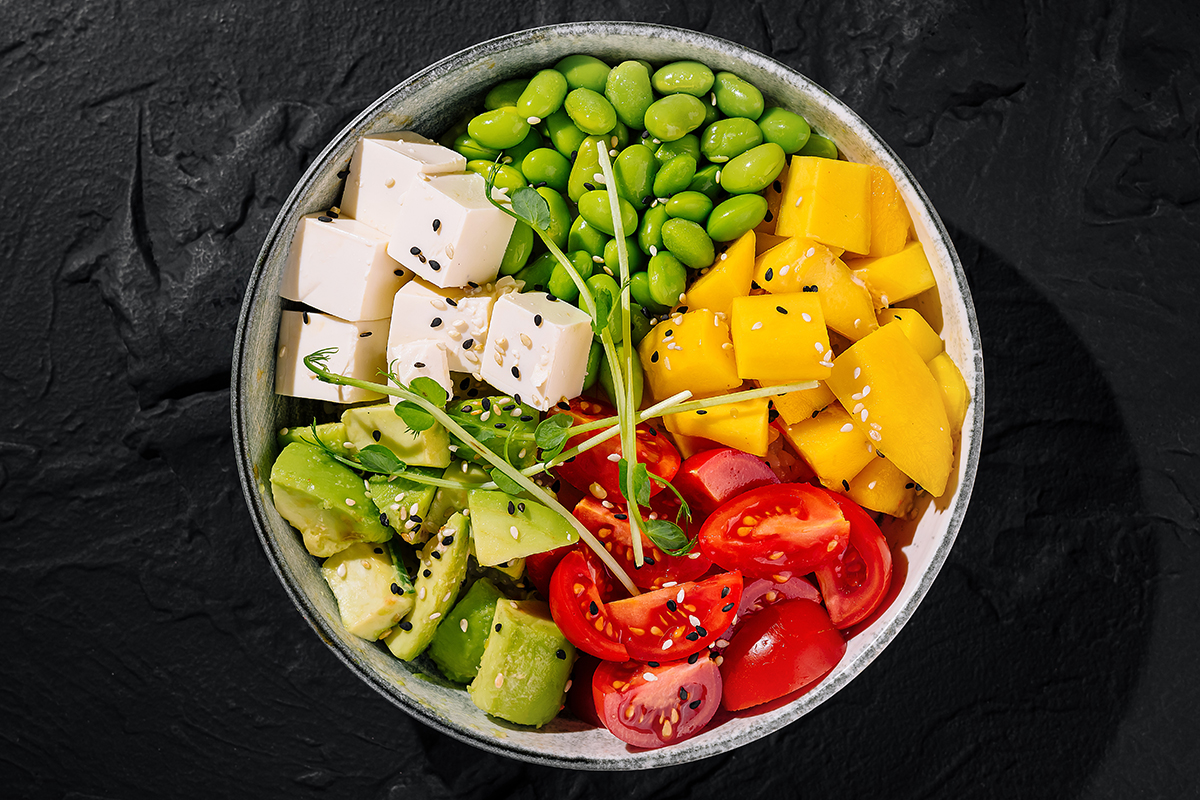
Editor’s note: This column is part of an ongoing series, “The 30 Different Plants Per Week Challenge, Retail Edition.”
On a quest to eat more plants, sometimes it means confronting the one food you keep avoiding. For me, it was tofu.
Rather than just a checklist, the 30-plant challenge provides a framework for evolving your palate, turning previously avoided foods into acquired favorites through consistent exposure.
I wasn’t trying to reinvent my entire diet or become a vegetarian, but I did want a way to work a few meatless meals into my week. Yet, the first few bites of tofu left me underwhelmed. The silky texture felt strange, and the flavor so mild it barely registered, despite every influencer promising tips to make it crispy or flavorful. I tolerated it, but I did not crave it.
Then something shifted when I kept at it. Now I’ll toss cubes into a fragrant curry, pile breaded and crispy fried tofu on a sandwich with basil pesto and roasted vegetables or float it into a steaming bowl of pho or ramen. What once felt like a textural hurdle has become a pantry staple I actually reach for.
This concept is familiar to many consumers. Whether it’s the bitterness of Brussels sprouts, the texture of tofu or the tang of fermented greens, our brains often react to novelty with caution — a vestige of neophobia, the hesitation to try new foods that we’re wired to feel when something tastes unfamiliar. But exposure, especially when paired with positive experiences, can gradually shift this reaction.
Behavioral research backs this up. In studies of taste exposure, foods that were initially unfamiliar or disliked increased in acceptance after repeated tastings. In one review of multiple experiments, children needed around six to 12 exposures to a novel food before their preferences shifted toward liking it. Other research suggests that even 10 to 15 tastings of a new food can increase how much it’s enjoyed and consumed over time.
That’s part of what makes the 30 Different Plants Per Week Challenge exciting.
In The Packer’s Fresh Trends report, 59% of consumers said they’re open to trying new produce items, and they could point to specific things they weren’t buying two years ago but are now adding to their carts, from asparagus to apples and blueberries.
Retail Takeaway
For retailers, this has practical implications. Fresh Trends data from earlier surveys have shown that sampling and promotional activity are among the reasons consumers take a chance on produce they hadn’t bought before, while word-of-mouth and restaurant experiences also help break down hesitations about unfamiliar items.
That suggests retailers can actively cultivate acquired tastes by facilitating low-risk tastings and providing context that makes new plants feel accessible: recipe cards, prep tips, pairing suggestions, stories about origin and flavor profiles.
Retail insights show that shoppers will try something new when they see value, whether it’s a sale, a chef demo or a clear way to use the item at home. Connecting that trial to repeated inspiration, like including that item in a plant-of-the-week spotlight or social post series, helps bridge curiosity to habit.
Over time, a plant that once felt unfamiliar becomes one that shoppers request again and again — just like my relationship with tofu.
Your Next Read: