Editor's note: This column is part of an ongoing series, The 30 Different Plants Per Week Challenge, Retail Edition.
In my quest to eat more plants each week, I've been diving deep into the protein craze that seems to be taking over every aisle of the grocery store. By focusing on plants naturally higher in protein and keeping an eye out for innovative retail pairings, I've managed to stay energized while significantly expanding my plant roster.
Plants Known for Higher Protein
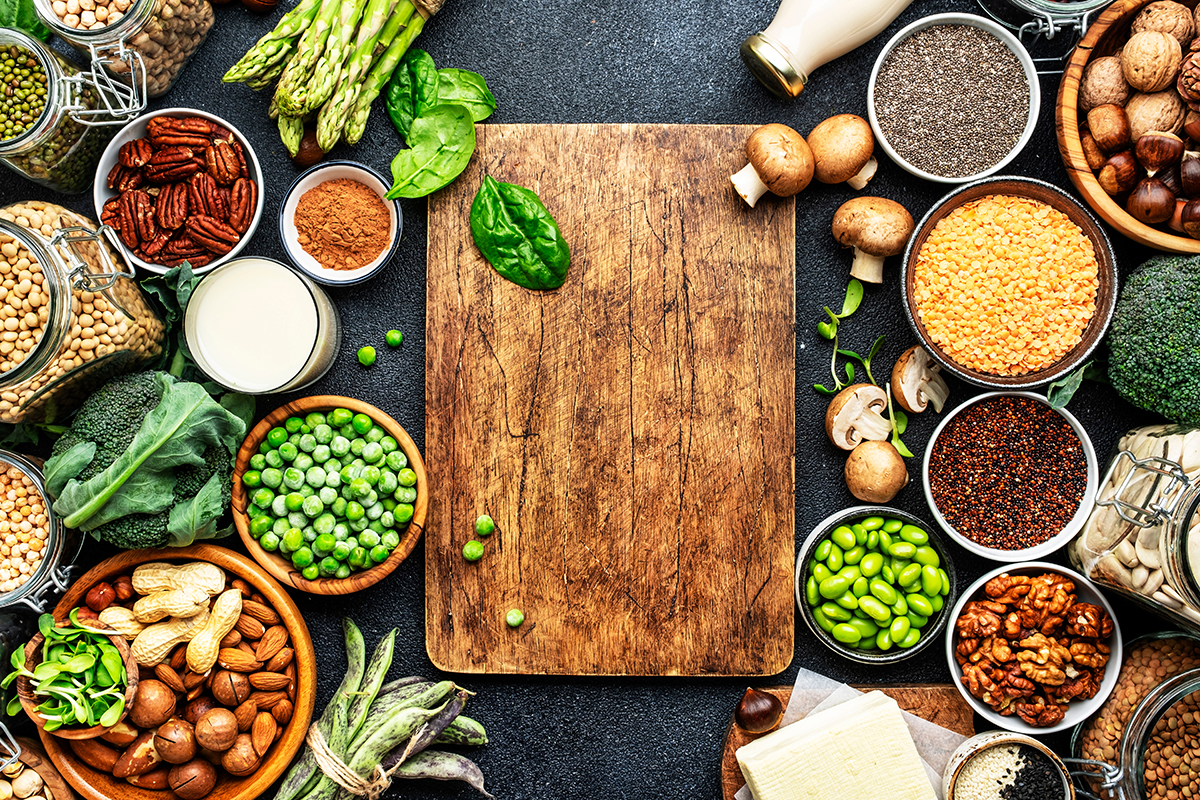
While most fruits and vegetables contain some protein, certain categories are particularly dense in this macronutrient:
- Cruciferous vegetables — Broccoli, Brussels sprouts and cauliflower are surprisingly protein-dense for their calorie count. For example, one cup of cooked broccoli provides about 2.5 to 4 grams of protein.
- Leafy greens — Spinach and kale contribute to your daily total, especially when consumed in larger cooked quantities; 1 cup of cooked spinach can offer nearly 3 grams of protein.
- Legumes — Lentils, chickpeas and various beans are among the richest plant-based protein sources, often providing 15 to 18 grams per cooked cup.
- Soy products — Edamame (young soybeans) is a complete protein, meaning it contains all nine essential amino acids; 1 cup of cooked edamame contains approximately 17 to 18 grams of protein.
- Seeds and grains — Ancient grains like quinoa (8 grams per cup) and seeds like hemp (10 grams per 3 tablespoons) are excellent additions to salads and bowls to boost protein intake.
Innovation in the Produce Aisle
The retail sector is responding to our protein needs with some truly creative solutions. Two companies of note are blending fresh produce with functional protein.
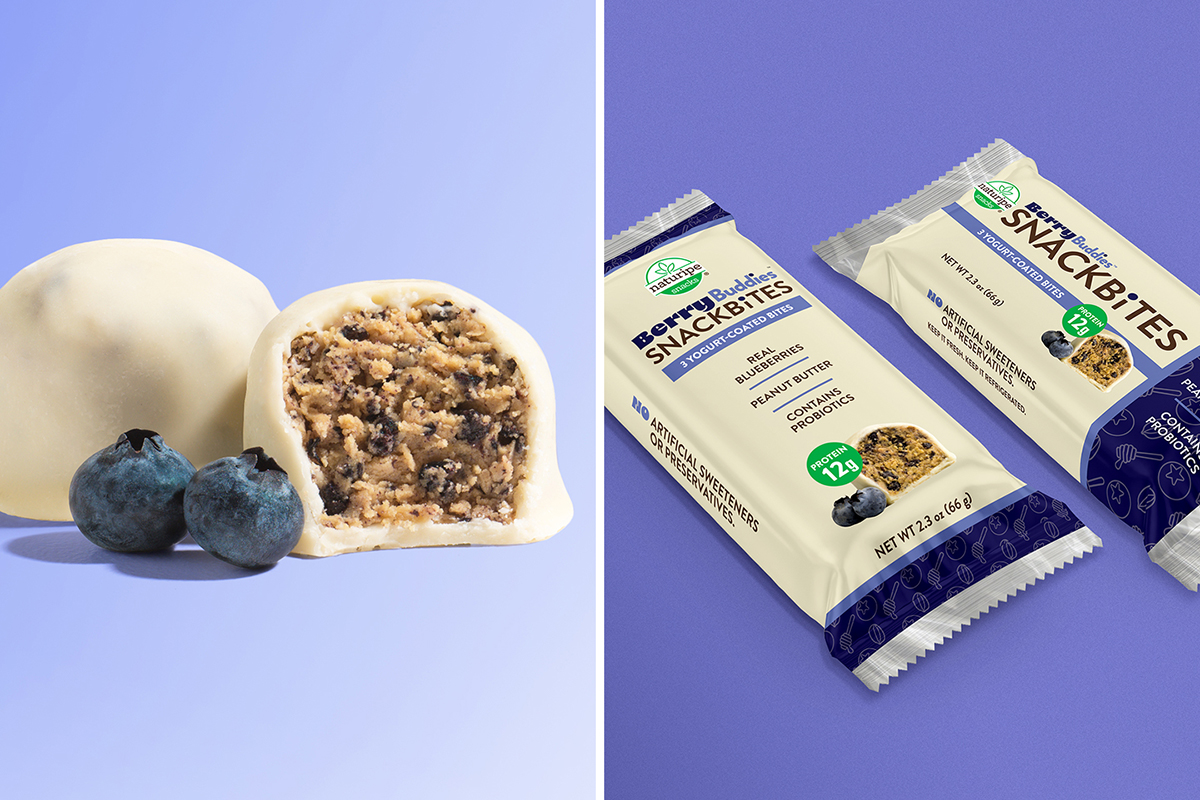
Naturipe Snacks recently launched SnackBites, which uses real fruit, like blueberries, as the base for a high-protein treat. Each “Bite” contains 4 grams of protein (12 grams per pack) and includes the BC30 probiotic to support gut health while you get your protein fix.
“We wanted to develop a snack that keeps you energized and tastes great — something you actually look forward to eating,” says Steven Ware, vice president and general manager of Naturipe Snacks. “SnackBites hit that sweet spot: real ingredients, satisfying flavor and a serious nutrition boost. This is a bold new step for Naturipe in functional snacking.”
Naturipe is also continuing to innovate beyond the initial launch, with additional SnackBites packaging and flavors in development, including a dark chocolate-coated concept and another featuring strawberries.
Data shows snacking remains a mainstay of American eating habits, with nearly half of consumers now enjoying three or more snacks daily, a notable increase from last year, Naturipe says. This growth is fueled by increasing availability of health-focused options like fruit and protein bars.
Viral trends, portability and added nutritional functionality are now key factors shaping snack choices, signaling a continued shift toward smarter, more purposeful snacking. New research shows that 55% of consumers snack to satisfy hunger and 50% snack for pleasure, but motivations are broadening as more shoppers seek energy, nutrition and stress relief throughout the day.
“Snacking isn't going anywhere anytime soon,” Ware says. “Naturipe is exceptionally well-positioned to take advantage of this demand and bring nutritious options to consumers. SnackBites are a direct reflection of that mission, putting real fruit, protein and functional wellness benefits into one convenient bite.”
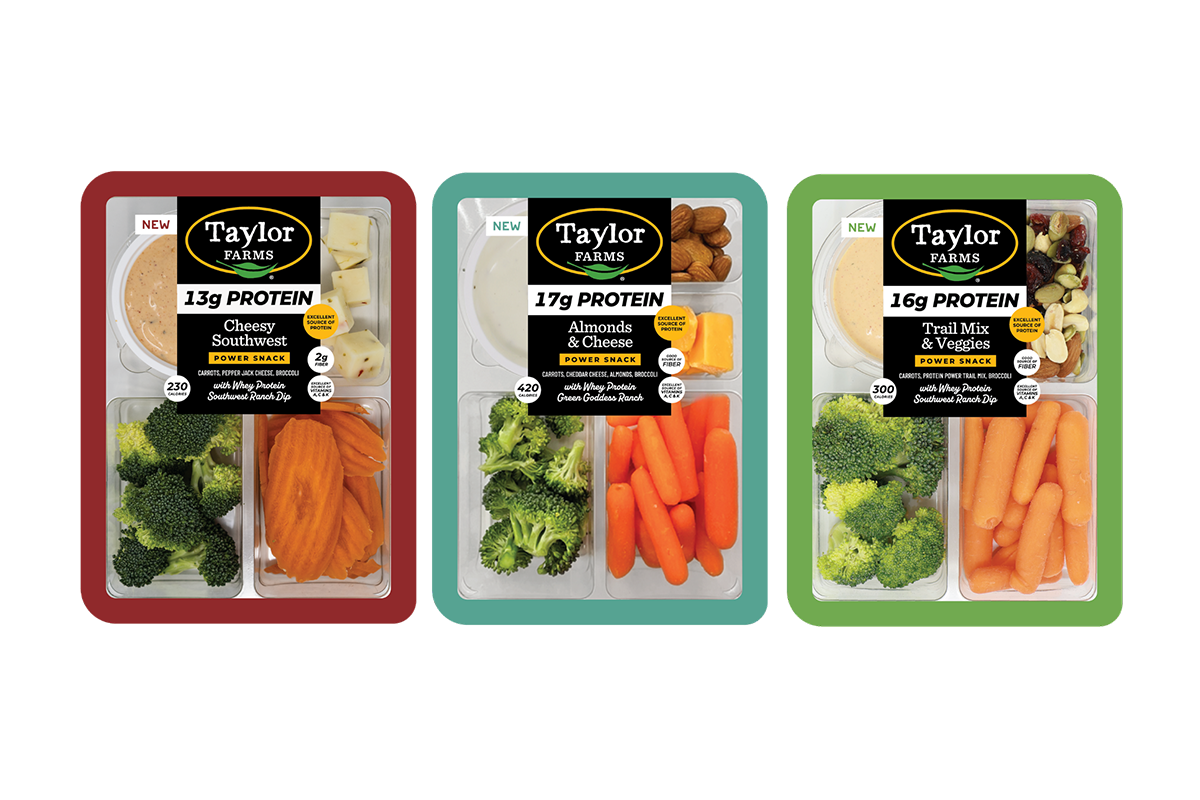
Another innovator, Taylor Farms, has introduced a product platform designed to meet the increase in high-protein lifestyles.
“Consumers want more than just fresh; they want functional,” says Bryan Jaynes, senior vice president of product for Taylor Farms. “As nearly everyone is increasing their protein intake these days, this new product line combines the power of protein and fresh produce to help more people achieve their nutrition goals.”
“To provide salad and snack lovers with more protein, we created a first-of-its-kind platform to provide protein in snacks, salad kits and bowls,” says Charis Neves, vice president of product and innovation for Taylor Farms. “We added whey protein to the dressings and dips, increased the amount of cheese and included protein in the crunchy toppings.”
The new Taylor Farms protein-forward platform includes 11 products now available nationwide, with additional items expected to launch in the coming months. The line is supported by a national marketing campaign across social media, e-commerce, consumer advertising and in-store promotions.
- Mini chopped salad kits — These include around 10 grams of protein by incorporating ingredients like pepitas and whey protein-enhanced dressings.
- Protein salad bowls — Options like the Protein Southwest Salad Bowl (23 grams protein) and Protein Caesar Salad Bowl (20 grams protein) utilize grilled chicken and whey protein-infused croutons or dressings to meet high-protein demands.
- Protein Power snacks — These portable packs combine fresh vegetables like broccoli and carrots with nuts, seeds and cheese, reaching up to 17 grams of protein per snack.
The Science of Plant Protein
When we talk about plant-based protein, variety is key. A study published in the Journal of Food Composition and Analysis highlights that while some plants may lack certain essential amino acids, a varied diet — like the 30-plant challenge — ensures you get a complete profile through “protein complementation.” Essentially, by eating a wide range of plants throughout the week, your body gathers all the necessary building blocks it needs.
Retailer Insights
From a retail perspective, the shift toward functional produce is a major trend to watch.
- Snacking as a meal replacement: Data shows that nearly half of consumers now eat three or more snacks a day, increasingly looking for options that satisfy hunger through high protein and fiber.
- GLP-1 influence: Retailers are noticing that shoppers using GLP-1 medications are specifically seeking out high-protein and gut-health claims, making products like protein-packed snack bites and veggie trays with whey protein dips highly sought after.
- Convenience meets function: The success of platforms like Taylor Farms' 11-product protein line suggests that consumers are no longer satisfied with just fresh; they want their produce to work harder for them by providing the protein typically found in other parts of the store.
Your Next Read: