Editor's note: This column is part of an ongoing series, “The 30 Different Plants Per Week Challenge, Retail Edition.”
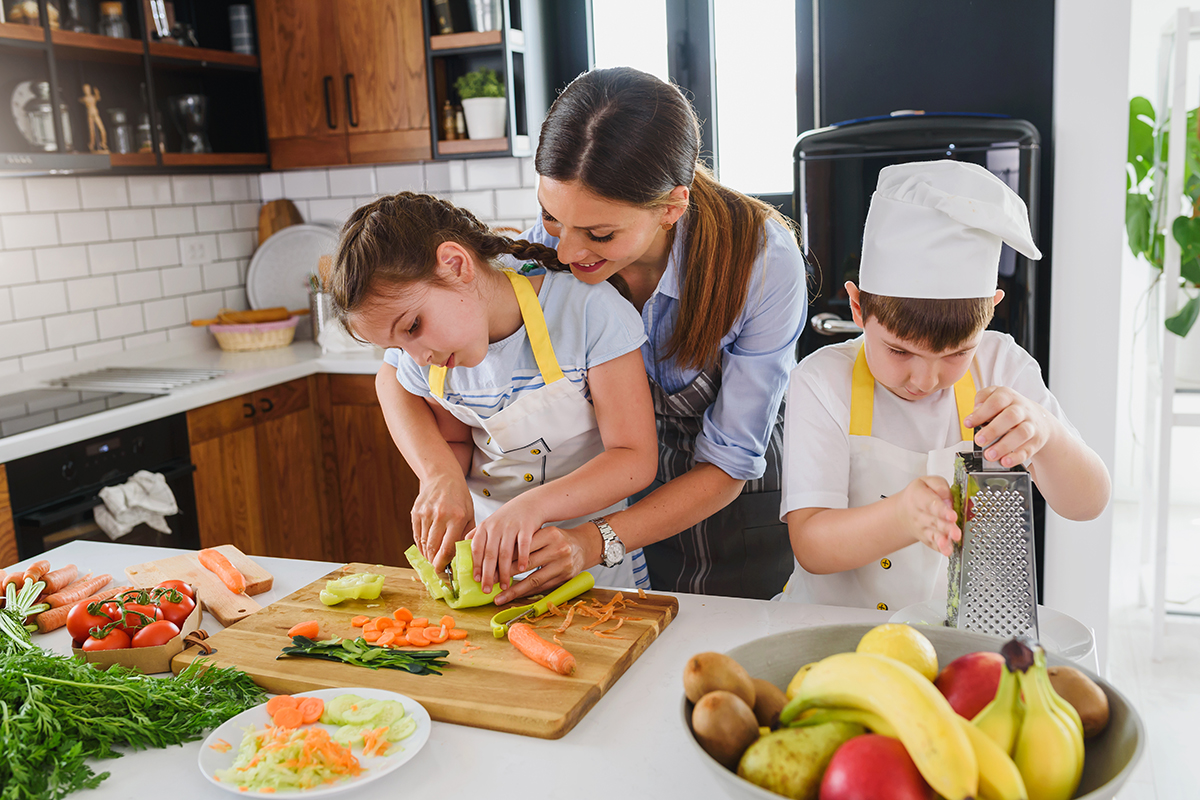
If you've ever tried to convince a child to eat broccoli or spinach, you've likely seen the resistance.
Even so, research and experience say that it's best to keep trying; the more often children are exposed to different plant foods, the more likely they are to accept and eventually enjoy them.
That's one reason the idea behind the 30 Different Plants Per Week Challenge resonates beyond adults trying to improve gut health. The concept can also help reshape how kids experience food.
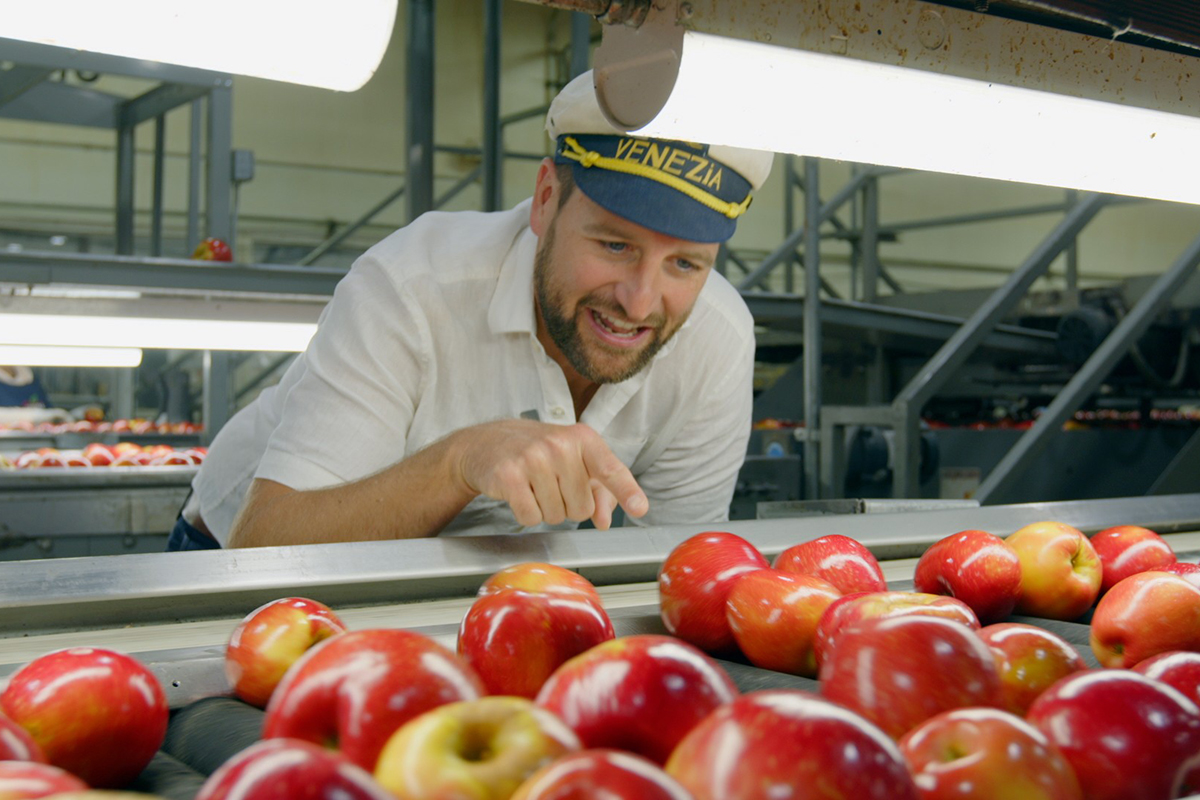
Kevin Hoban, founder of the YouTube Kids channel “Captain & Cat,” has discovered that curiosity can be a powerful gateway to healthy eating. The channel recently launched a series highlighting fruits and vegetables, beginning with an episode about SugarBee apples that has already drawn more than 500,000 views.
Hoban says the goal isn't to lecture kids about nutrition: It's to spark excitement.
“We like to lead with awe and wonder,” Hoban says. “Whether that's how many apples get picked from one orchard (millions) or the incredible speed at which a factory can sort and package apples, the more we can point to the ‘magic' behind the fruit, the better.”
That sense of enthusiasm is contagious, he says. When farmers talk about their crops with passion, kids pick up on it.
“We find that if we're excited, and the farmer is excited, that's a great way to get kids excited about eating something healthy too,” Hoban explains.
The project goes beyond videos. The team has partnered with hundreds of preschools, sending classrooms a package that includes the video, an activity worksheet and a bag of SugarBee apples.
For Hoban, the real goal is long-term.
“At home, kids can be set in their ways in terms of what they like and don't like to eat,” he says. “But at school, a child is much more open to trying something new because it's an unexpected and fun detour from the typical school day.”
Programs that connect food with discovery show up in other places, too.
For example, Tomatosphere is an education program that recently sent 1.2 million tomato seeds into orbit aboard a SpaceX mission to the International Space Station. When the seeds return to Earth, they'll be distributed to classrooms where students will grow them and study how space conditions affect plant growth.
The project uses space exploration to introduce students to scientific inquiry and agriculture at the same time.
Rick Falconer, president of the First the Seed Foundation, says the goal is to spark curiosity about how food is grown.
“Educating students about the seed industry is vital to building inspiration and interest in agricultural careers,” Falconer says.
When kids grow a plant, study it or even hear the story behind how it was produced, they begin to see food differently. It stops being an unfamiliar object on a plate and becomes something they understand.
And that's where the 30-plant-per-week idea can become powerful for families. The key is exposure; whether it's a new fruit at snack time, lettuce on a sandwich, a handful of berries or a taste of roasted vegetables, each encounter builds familiarity.
For adults pursuing gut health, those extra plants feed the microbiome. For kids, they do that and more. They build curiosity, confidence and a lifelong relationship with food that begins one plant at a time.
Why Early Exposure to Plants Matters
A large-scale analysis published in 2023 in The Lancet Child & Adolescent Health tracked minimum dietary diversity across global populations and found a direct, linear correlation between plant food variety (legumes, nuts, orange/yellow vegetables and leafy greens) and the prevention of stunting and wasting.
When it comes to cardiovascular health, research published in 2021 in the Journal of the American Heart Association followed children into adulthood and found that those with high plant-centered diets in childhood had a 52% lower risk of developing cardiovascular disease decades later.
As stated in “The Lasting Influences of Early Food-Related Variety Experience,” this longitudinal study tracked children from 5 months to 6 years of age, proving that high vegetable variety at the start of weaning leads to significantly higher acceptance of new foods later in childhood.
Retailer Insights
Retailers can play a key role in helping families expand kids' exposure to fruits and vegetables, turning curiosity into healthier habits.
- Lean into storytelling — Kids respond to the magic behind food. Signage or QR codes linking to short videos about how apples are grown or how tomatoes travel from seed to store can make produce more engaging for families.
- Create kid-friendly discovery zones — A small “Try Something New” display featuring two or three seasonal fruits or vegetables each week can encourage families to add an unfamiliar plant to their cart.
- Partner with schools and community groups — Programs that introduce produce in classrooms — through tastings, seed kits or educational materials — can extend into retail with in-store promotions or take-home recipe cards.
- Make it interactive — Coloring sheets, stickers, scavenger hunts in the produce department or simple “30 plants tracker” cards can turn a shopping trip into a game for children.
- Bundle for convenience — Retailers can assemble small plant variety packs that combine several fruits or vegetables, helping parents easily add diversity to meals without extra planning.
The more often children see, touch and taste different plants, the more likely those foods become part of their everyday diet. Homes, schools, the internet and retailers can all help make those first introductions happen.
Your Next Read: