The mushroom category is undergoing a strategic rebrand, shifting from its status as a niche ingredient to a vital, everyday staple for the wellness-focused consumer.
Industry leaders like Highline Mushrooms, Monterey Mushrooms, J-M Farms and the Mushroom Council are spearheading this evolution by prioritizing culinary utility and approachable education over mystery. By aligning the dependable, high-velocity white button with exotic specialties through sensory-led marketing and functional callouts, such as vitamin D and brain-boosting ergothioneine, suppliers are successfully meeting millennials and Gen Z where they live: online, in the kitchen and at the intersection of flavor and cognitive health.
Educating the Consumer
Highline Mushrooms thinks the fastest way to grow the mushroom category is by making standard mushrooms more fun, more approachable and more usable every day, says Kelsey Coon, sales and marketing manager.
“While specialty mushrooms play an important role in variety and trade-up, the foundation of the category is still driven by classic staples like white and mini bella mushrooms, and our focus is helping shoppers use them more often, in more meals,” Coon says.
Rather than positioning mushrooms as complicated or niche, Coon says Highline Mushrooms leads with simple education rooted in flavor cues, easy cooking methods and everyday meal inspiration. She says the goal is to help shoppers immediately understand what to buy and how to use it, whether that’s adding mushrooms to pasta, tacos, breakfast, sheet-pan dinners or quick weeknight meals.
“For specialty mushrooms, we support retailers with clear, benefit-led education that highlights how each variety delivers a different eating experience, while still keeping the messaging simple and approachable,” Coon says.
Lindsey Occhipinti, marketing manager for Monterey Mushrooms Inc., says education is handled through a “culinary utility” approach:
- Standard (white, baby bella, portabella) — These are positioned as the reliable, everyday workhorses for familiar dishes like pizza, salads and burgers.
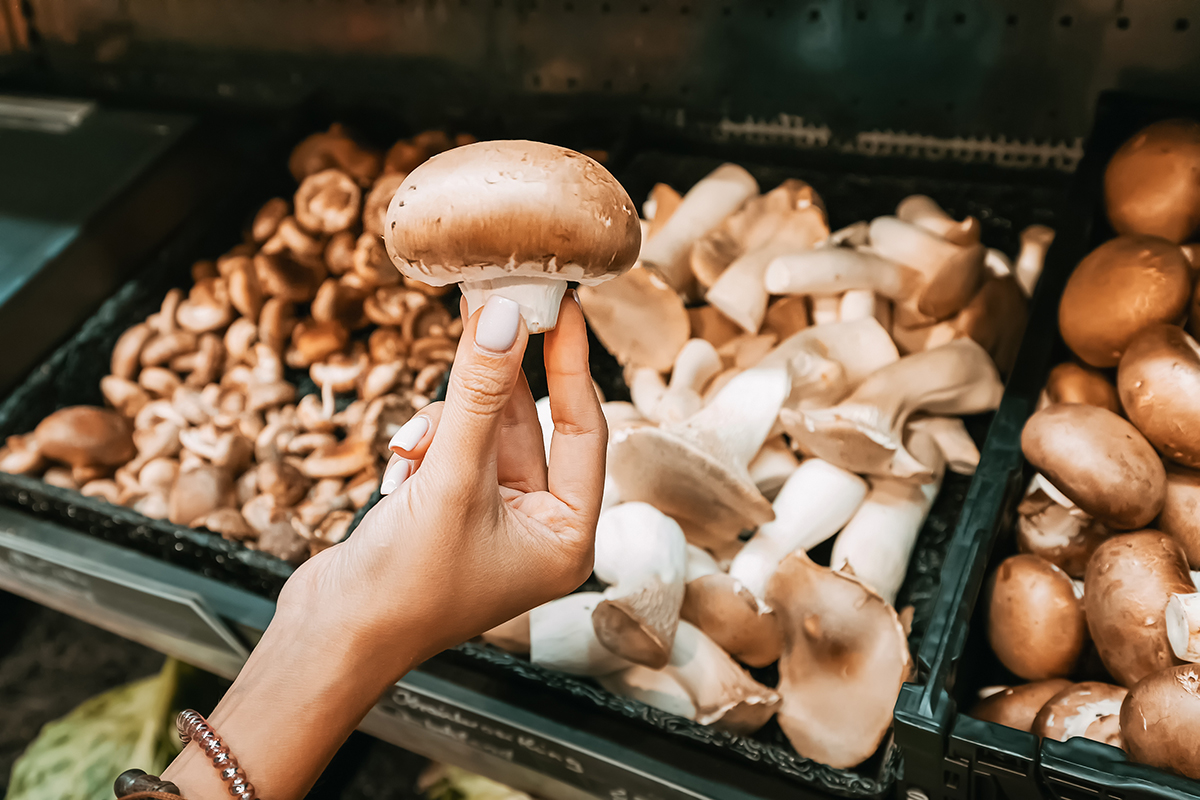
- Specialty (shiitake, oyster, king trumpet, lion’s mane) — These are marketed through sensory differentiation, highlighting unique textures, shapes and umami flavor profiles. Monterey Mushrooms uses recipes and how-to guides to lower the barrier for entry, showing consumers that while they look “magical” and exotic, they are simple to incorporate into ramen, stir-fries and pasta, Occhipinti says.
Cristie Mather, vice president of marketing for Mushroom Council, says it defines standard mushrooms as the most commonly available varieties: white button, crimini and portabella. Specialty varieties would include shiitake, oyster, king trumpet, lion’s mane, beech and maitake. Each has its own unique flavor, texture, color and shape, Mather says, creating many opportunities to pique consumer curiosity.
“As the Mushroom Council is focused on cultivating the next generation of mushroom shoppers, millennials and Gen Z, this year we launched our ‘It’s Not Magic. It’s Mushrooms.’ campaign,” she says. “Its messaging centers on the flavor, everyday convenience and functional benefits of mushrooms delivered via influential celebrities in platform-native content that highlights simple cooking methods and mushrooms’ role in making meals even better.”
To meet younger consumers where they already spend time online, Mather says the Mushroom Council is partnering with A-listers such as chef Matty Matheson and Peloton’s Robin Arzón to demonstrate fun and simple mushroom recipes on YouTube and social media using a range of mushroom varieties.
“We’re also engaging podcast hosts like Alex Cooper from ‘Call Her Daddy’ and Rob Gronkowski and Julian Edelman (former New England Patriots players) of ‘Dudes on Dudes with Gronk and Jules’ to talk about the flavor, convenience and nutrition benefits of mushrooms,” Mather says. “The goal is to offer practical yet entertaining inspiration that makes trying new mushroom recipes approachable and memorable for non-foodie consumers.”
Mushrooms at Retail
To maximize category performance, suppliers are increasingly positioning mushrooms as a simple side dish to a high-value meat alternative that appeals to both health-conscious and budget-driven shoppers.
“We position mushrooms as a naturally functional, everyday ingredient that aligns with modern eating habits, because they deliver meaningful nutrition, versatility and flavor without requiring shoppers to change how they cook,” Coon says. “At Highline, we reinforce that message through clear nutritional callouts, variety education and consistent consumer-friendly storytelling across our packaging and social channels, helping make mushrooms easier to understand and easier to use.
“We also believe the category wins when the messaging is aligned: Mushrooms are the OG superfood, and we’re focused on making that benefit clear and memorable for shoppers,” she continues. “Through our brand platform, ‘Eat A Mushroom. Be Super,’ we encourage consumers to make ‘super’ smarter choices that help them feel better, eat better and bring more wellness into everyday meals.”
Coon adds that when it comes to meat-alternative trends, Highline never positions mushrooms against meat.
“Instead, we position them as a meal upgrade and flavor partner, bringing umami depth, texture and satisfaction that enhances both plant-forward and protein-based dishes,” she explains. “From a usage standpoint, mushrooms work seamlessly with a wide range of proteins and flavor pairings, helping shoppers build meals that feel indulgent, balanced and better-for-you — without sacrificing taste.”
J-M Farms works to portray mushrooms as a natural fit for today’s functional food and plant-based eating trends, says McKinzie Koons, marketing and public relations manager.
“Working closely to align with the Mushroom Council’s education and research efforts, we highlight mushrooms as a nutrient-rich food that adds flavor, texture and satisfaction to everyday meals,” Koons says. “Rather than claiming mushrooms as a strict meat replacement, we encourage their use alongside meat in blended dishes or as a hearty, center-of-the-plate option.
“Our goal is to shift consumer perception, encouraging mushrooms as an everyday staple, not just a special-occasion or ‘fancy’ ingredient,” she adds. “We bring this message to life through social media engagement, direct customer exposure and hands-on retail-level efforts in stores. We want to help consumers enjoy meals that feel indulgent while supporting wellness, sustainability and balanced eating without sacrificing taste or valuable food dollars.”
Justin McLean, sales manager for Farmers Fresh/Premier Mushrooms, says the company is trying to speak with foodservice on how they can expand the plate size and reduce costs by substituting mushrooms into a part of the main dish, not just as an optional topping.
“For example, not just sliced onto a steak or burger, but built into the main dish. With rising food costs, it is a great way for restaurants and people cooking at home to help spread out the meal,” he says. “Additionally, with the rise in GLP-1 medication, there is a need for protein-focused diets, but with increased protein, you need increased fiber, and mushrooms are a great source of that.”
Monterey Mushrooms positions mushrooms as a nutritionally powerful superfood, Occhipinti says, such as:
- MIND diet and brain health — Focused on the high levels of ergothioneine (especially in specialties like lion’s mane and shiitake) to support cognitive health.
- Vitamin D — Highlighting its unique UV-light treatment process that allows mushrooms to provide 50% of the daily value of vitamin D2 in a single serving, just three medium mushrooms.
- Meat alternative — Rather than just a substitute, Occhipinti says the company promotes The Blend — mixing finely chopped mushrooms with ground meat to improve juice, flavor and nutrition while reducing calories and environmental impact.
When it comes to functional benefits, Mather says it’s known that Gen Z and millennials prioritize wellness, brain health and cognition, citing Tastewise’s Functional Nutrition in 2025 Survey.
“That’s why our ‘It’s Not Magic. It’s Mushrooms.’ campaign shines a spotlight on the role mushrooms play in the MIND diet, a plant-forward eating pattern that focuses specifically on promoting brain health,” she says. “The MIND diet encourages at least one serving a day of non-starchy vegetables like mushrooms along with green leafy vegetables, such as spinach and kale, plus berries, nuts, beans, fish, poultry and olive oil.”
Mushrooms provide several nutrients and bioactive compounds that may play a role in supporting brain health, with ergothioneine being the standout, Mather says.
“Ergothioneine, or ERGO, is an amino acid that is being examined for its role in brain health,” she says. “Mushrooms are one of the top food sources of ERGO.”
The Mushroom Council is working closely with nutrition experts like registered dietitian Maggie Moon, author of “The MIND Diet: A Scientific Approach to Enhancing Brain Function and Helping Prevent Alzheimer’s and Dementia,” to help raise awareness among nutrition professionals and consumers about the functional nutrition benefits that mushrooms bring to the table.
Ultimately, by moving beyond the meat replacement narrative to embrace The Blend and functional wellness, the industry is proving that mushrooms are not just a culinary addition but also a nutritional necessity for the modern grocery basket.