Each year, retailers, chefs and consumers who appreciate a premium produce experience anxiously await California avocado season — so much so that peak season, from spring through summer, has become an unofficial holiday of sorts, with retailers and consumers alike hungry for promotable volumes, new recipes and more.
“The 2026 California avocado season is shaping up to be a strong one,” says Ken Melban, president of the California Avocado Commission. “We're forecasting approximately 330 million pounds this season, which is similar to last year and marks the fourth year in a row of substantial California volume above 300 million pounds.”
While Melban says harvesting by some California growers is currently underway, promotable volumes are expected to build through March, with peak availability running from about April through August.
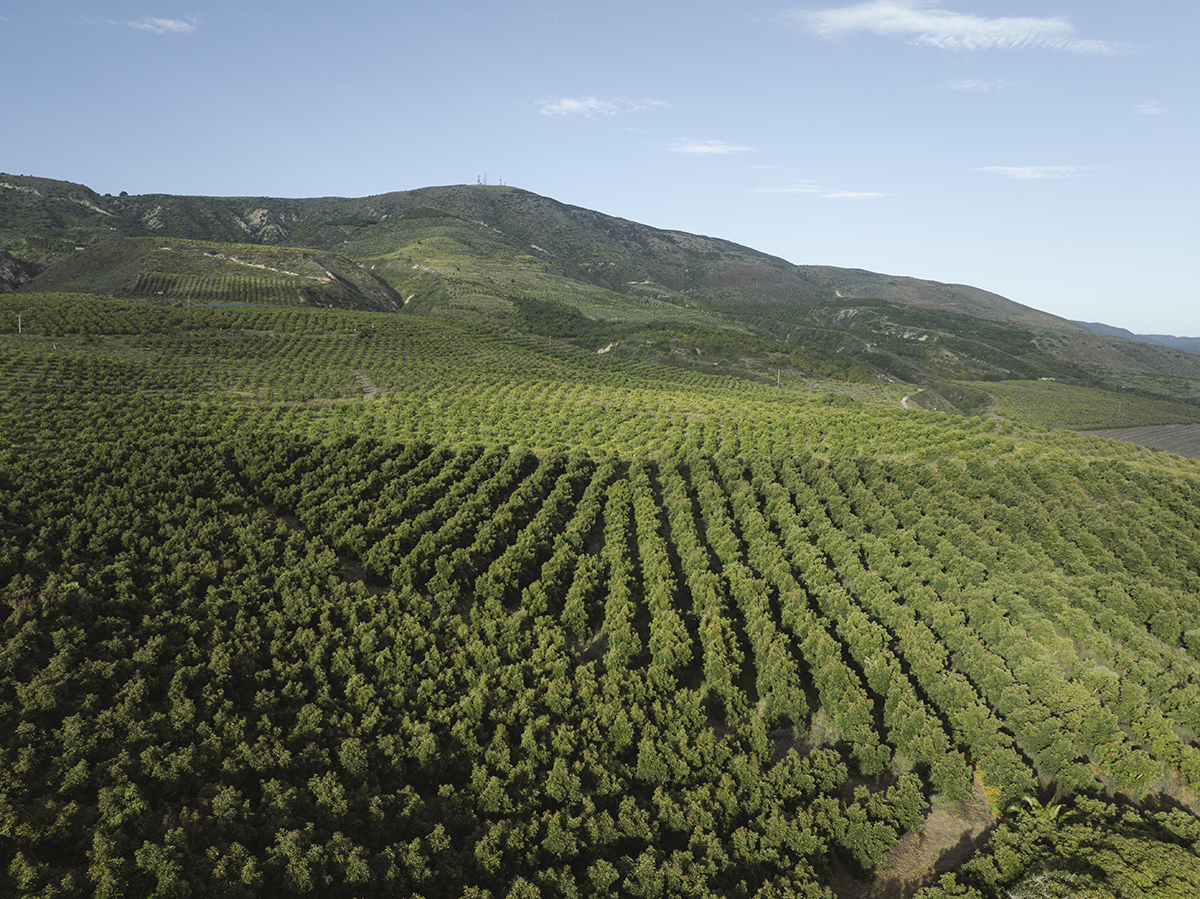
“From a fruit standpoint, we're encouraged by what we've seen so far,” Melban says. “Rainfall in the growing regions has generally been beneficial, supporting tree health and fruit development, and growers have also benefited from sunny conditions that help the fruit continue maturing on the tree until it is picked. As always, California's diverse growing regions and careful grove management position us well for premium quality fruit, and we're expecting excellent eating quality this season. Early indicators on sizing are also positive.”
Keith Blanchard of Index Fresh agrees. The Riverside, Calif.-based company, which partners with more than 300 California avocado growers farming upward of 15,000 acres statewide, sees a quality season ahead.
“This season's crop is setting up strong, with clean fruit and good sizing thanks to ample winter rain that supported healthy canopy growth and fruit development,” Blanchard says. “While the season is getting a slightly later start, fruit maturity is not too advanced, giving growers the flexibility to stretch the harvest and time picks to market conditions throughout the spring and summer.”
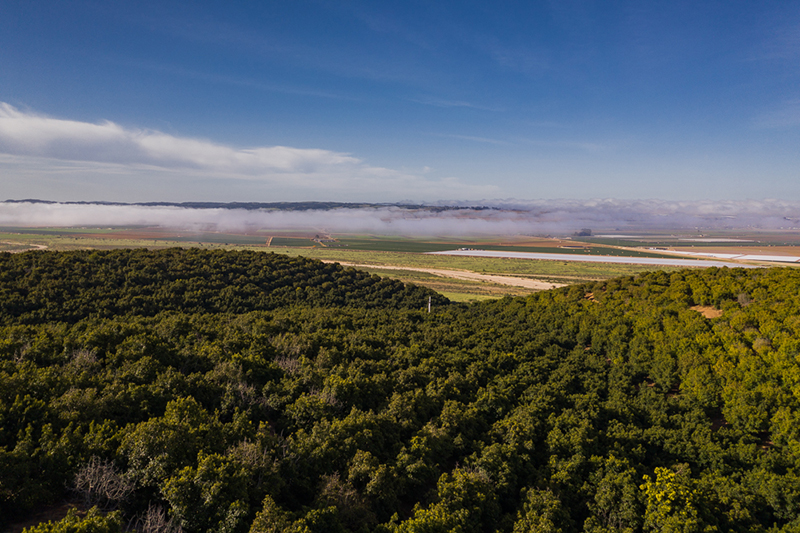
While Galen Johnson, senior director of sales for Oxnard, Calif.-based Mission Produce, says the 2026 California avocado season is off to a slower start, he anticipates harvest volumes to ramp up in April and continue at a strong pace through August.
“California experienced favorable weather conditions this winter, and we expect fruit sizing to run slightly larger than last year,” he says. “Overall, fruit quality looks excellent heading into the new season.”
Avocado Growers Tackle Challenges
Add rising input costs, water scarcity and labor shortages to invasive pests and increasing competition from imports, and it's easy to see California avocado growers face mounting obstacles. Even with these challenges, the industry continues to eye opportunity.
“California avocado growers are facing real pressure from water scarcity, rising input costs and tight labor, so building predictability into the business is critical,” Blanchard says. “Many of our growers rely on the H‑2A program, which, while still expensive, has brought more stable and predictable labor availability and costs during peak harvest windows.
“On the agronomy side, we're investing heavily in irrigation technology and data‑driven decision‑making to get more out of every gallon and every input dollar,” Blanchard continues. “Our agronomist, Gerardo Aldunate, analyzes field data and cost structures with growers to recommend tailored strategies; there is no one‑size‑fits‑all solution, but growers can dial in inputs, substitute more economical products where appropriate and focus spend where it has the greatest impact on yield and quality.”
Blanchard says, for Index Fresh, working hand‑in‑hand with growers across the season has been highly effective in improving productivity and getting the most bang for its input buck.
At Mission Produce, Johnson says having an experienced team who can work closely with growers is essential to success.
“California growers are among the best in the business — world-class growing practices, deep expertise and a real commitment to the craft,” he says. “We're seeing continued innovation, including expanded adoption of the Gem variety, which reflects the state's ongoing leadership in quality and production excellence.”
Johnson says Mission's field team also works closely with growers along the Pacific Coast to support healthy, high-producing trees, which the company anticipates will improve yields over time.
Born to Compete
California avocado growers have some of the highest production and land costs in the world, making it difficult to impossible to compete with avocado imports on price. As a result, the Golden State focuses on the highest quality and a premium eating experience — areas where it says it shines.
“Competition from imports is very real, and California growers are feeling that pressure, particularly when large volumes of imported fruit overlap with our season and create supply imbalances in the marketplace,” Melban says. “Our role at CAC is to help California growers compete by strengthening the California value proposition and ensuring that differentiation is clear to retailers and consumers.
“California avocados are locally grown, sustainably farmed, ethically sourced and harvested with care to deliver an exceptional eating experience,” Melban continues.
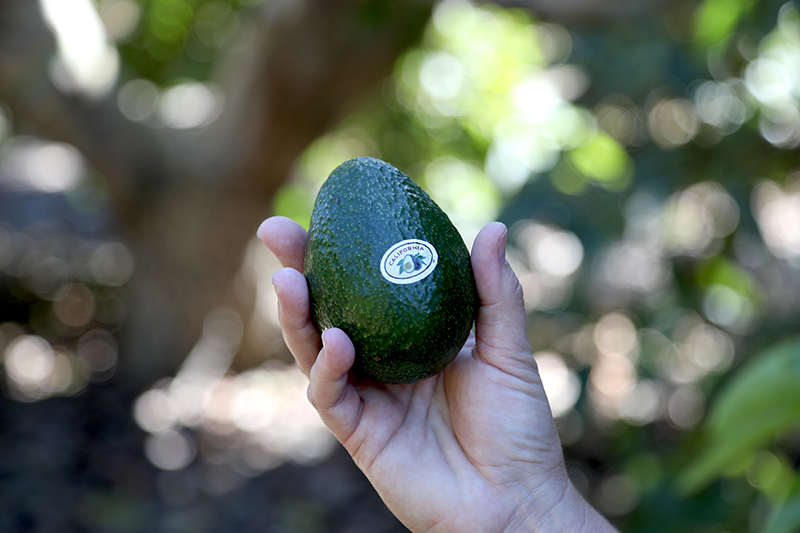
Investing in customized retail and foodservice programs that clearly identify California origin at the shelf and in promotional materials helps support this value proposition, he says.
“We work with customers on branded display bins, signage, packaging and digital support to help shoppers quickly recognize and choose California fruit,” says Melban. “If market pressure increases due to overlapping imports, we're prepared to strategically deploy marketing resources to help maintain movement and visibility. When consumers clearly recognize California at the shelf and understand the value behind it, that supports premium positioning and ultimately benefits growers.”
Playing up local is also integral to Mission's marketing initiatives.
“During the summer months, California is the premier source of high-quality avocados for the U.S. market,” Johnson says. “With the value many shoppers place on locally grown produce, California avocados stand out as a premium, local offering.”
Mission also connects with its retail partners on CAC-led marketing initiatives and offers California-specific packaging designed to highlight the origin story at the point of sale.
“It's a meaningful way to support the season and connect shoppers with locally grown avocados,” Johnson says.
Beyond marketing, Melban says CAC is actively engaged on policy and trade issues that affect grower viability.
“We are advocating for California growers as discussions continue around the USMCA [U.S.-Mexico-Canada Agreement] review process and are working with federal officials to explore policy tools that could help encourage a more orderly flow of imports during the California harvest window,” he says. “Oversupply during peak domestic production can significantly impact market returns, so ensuring a fair and balanced marketplace remains an important priority for the commission.”
Strong on Sustainability
Sustainability has long been a key pillar of the California avocado industry, playing a critical role on family farms and commercial operations.
Blanchard says new Gem avocado plantings allow trees to be planted more densely, producing higher yields per acre and giving growers another way to diversify and grow within a limited land and water footprint.
“Our agronomy team works grove-by-grove to provide cultural guidance that improves tree health and maximizes yields as efficiently as possible, which reduces waste and input use across our California footprint,” Blanchard says.
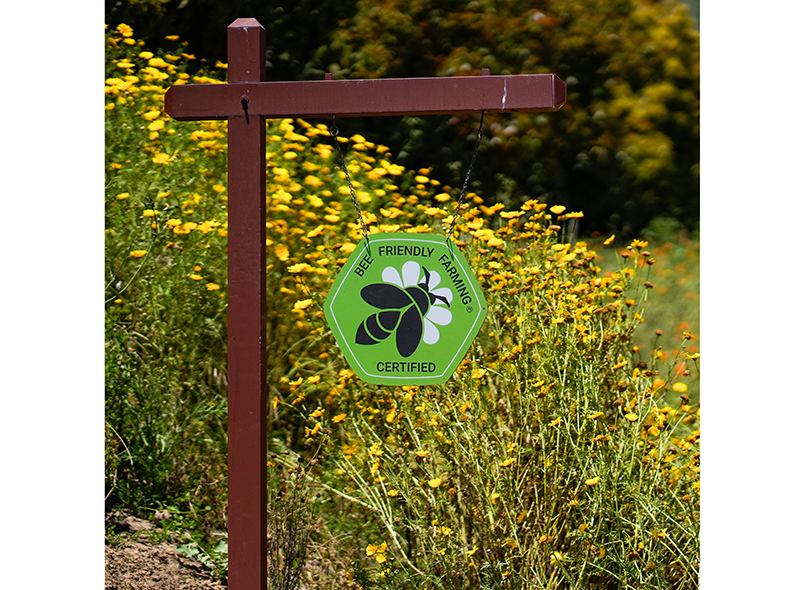
Index Fresh growers employ practices such as no‑till or reduced‑till farming that help store carbon in the soil, limit erosion and improve long‑term soil structure, while the trees themselves capture and store carbon dioxide and release oxygen as they grow. On the water side, precision irrigation systems that take advantage of natural rainfall now serve more than 90% of California avocado acreage, driving significant gains in water‑use efficiency, he says.
“We define success as using fewer inputs to grow healthier, more resilient trees that can sustain yields over many years of production, and we track that through field‑level metrics such as yield, tree vigor, and fruit quality over time,” Blanchard says. “When growers can maintain or increase production with lower water, fertilizer and control usage, we know the sustainability work is paying off at both the grove and industry level.”
While Melban says California avocado growers engage in environmentally sustainable practices from responsible water use to careful grove management, economic sustainability is equally important.
“For us, sustainability absolutely includes environmental stewardship, but it also includes economic viability,” Melban says. “If farming families cannot remain financially healthy, the industry cannot be sustainable over the long term. That is why CAC talks about sustainability in a broader sense — supporting practices and programs that help growers remain productive, resilient and profitable across generations.”
Avocados On Trend
When it comes to the trends that speak to today's consumer, local, organic and special packaging are helping to differentiate and drive sales in the California avocado category.
“From a market standpoint, we see continued upside in special packs, bag programs and the California story, all of which are resonating with shoppers who increasingly seek locally grown produce,” Blanchard says. “Bagged avocados continue to post strong unit and dollar growth, and packaging that clearly calls out California‑grown, organic and key sizes helps retailers trade shoppers up and grow the category.”
Index Fresh says it works closely with CAC to align on retail initiatives, ad calendars and promotional support that spotlight California fruit during peak season.
“For this upcoming season, we're entering our second year with the California Crema Gem brand and have expanded the program for deeper engagement,” says Kellen Stailey of Index Fresh. “We support retail partners with merchandising kits, a dedicated consumer‑facing website featuring recipes and ripeness education and promotional programs that make it easy to tell the California Crema story in‑store and online.”
Stailey says that while hass remains the season‑long workhorse and industry standard, the Gem variety gives retailers a limited‑time, “buzz‑worthy offering” early in the California season.
“Gems are known for their larger size, easy‑peel skin, distinctive gold‑flecked appearance and rich flavor, making them ideal for feature ads, discovery displays and premium merchandising,” Stailey says. “Our California Crema Gem line is designed as a turnkey complement to California hass, providing a programmable window with defined volumes and pricing so retailers can plan a dedicated promotion that captures consumer curiosity around this special variety.”
Campaign Focused on Growers
For the 2026 California avocado season, CAC is reprising its campaign celebrating its growers.
“We're featuring California avocado growers and their stories across advertising because that authenticity resonates strongly with consumers,” Melban says. “It reinforces that California avocados are not just premium fruit, but fruit grown by real farming families with a deep commitment to quality, stewardship and community.”
Melban says CAC is also putting increased emphasis on customized retail support, including retailer-specific merchandising, signage, display bins, digital and social programs and seasonal content designed to inspire purchase and drive shoppers into participating stores.
“Our objective is to make the California origin message impossible to miss and to help our partners succeed during peak California availability,” he says.