Summer's just around the corner. That means consumers soon will be treating themselves to mouthwatering summer fruits like strawberries, grapes and a full lineup of stone fruit from California.
Early Start for Strawberries
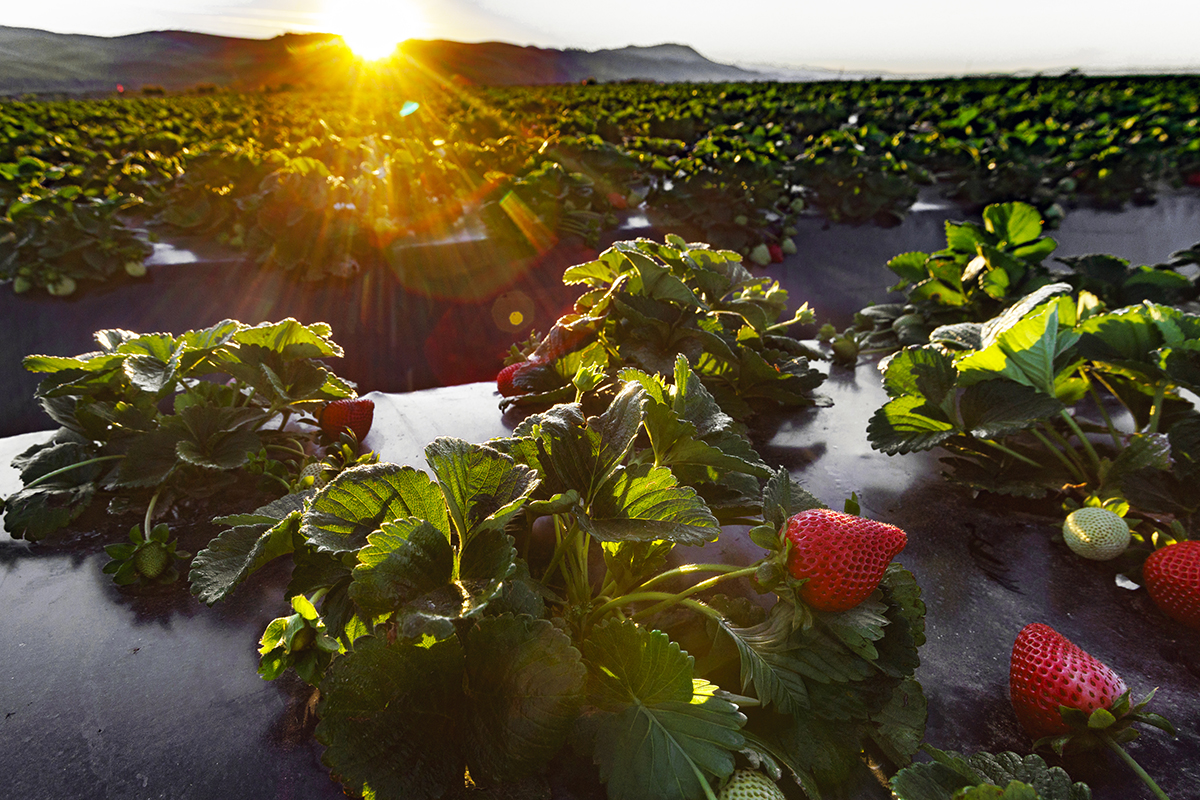
Actually, strawberry season is already underway, says Chris Christian, vice president of market insights for the Watsonville-based California Strawberry Commission.
“There has been an early start to the season this year, driven by warm and dry winter weather,” she says.
April through September is peak season for California strawberries with ample supplies to support promotions, she adds.
The commission projects weekly volume to be 7 million to 8 million trays through August.
“Retailers can maintain sales velocity best by promoting or offering price reductions for multiple consecutive weeks around spring and summer holidays,” Christian says.
Though warm, dry weather is conducive to pest pressure, farmers have been managing any issues and continue to harvest top-quality fruit, she says.
“We project an increase in overall fresh production compared to 2025, based on a slight increase in acreage and the new varieties now in production,” Christian says.
Fresh production was more than 236 million trays in 2025, which was 4.4% higher than the five-year average. California produces about 90% of U.S.-grown strawberries.
To celebrate the International Year of Women in Farming, California Strawberries is spotlighting women shaping the future of the industry, Christian says.
“This year we are focused on elevating these voices and stories, highlighting the vital role women play in producing one of the most vibrant, nutritious fruits enjoyed around the world,” she says.
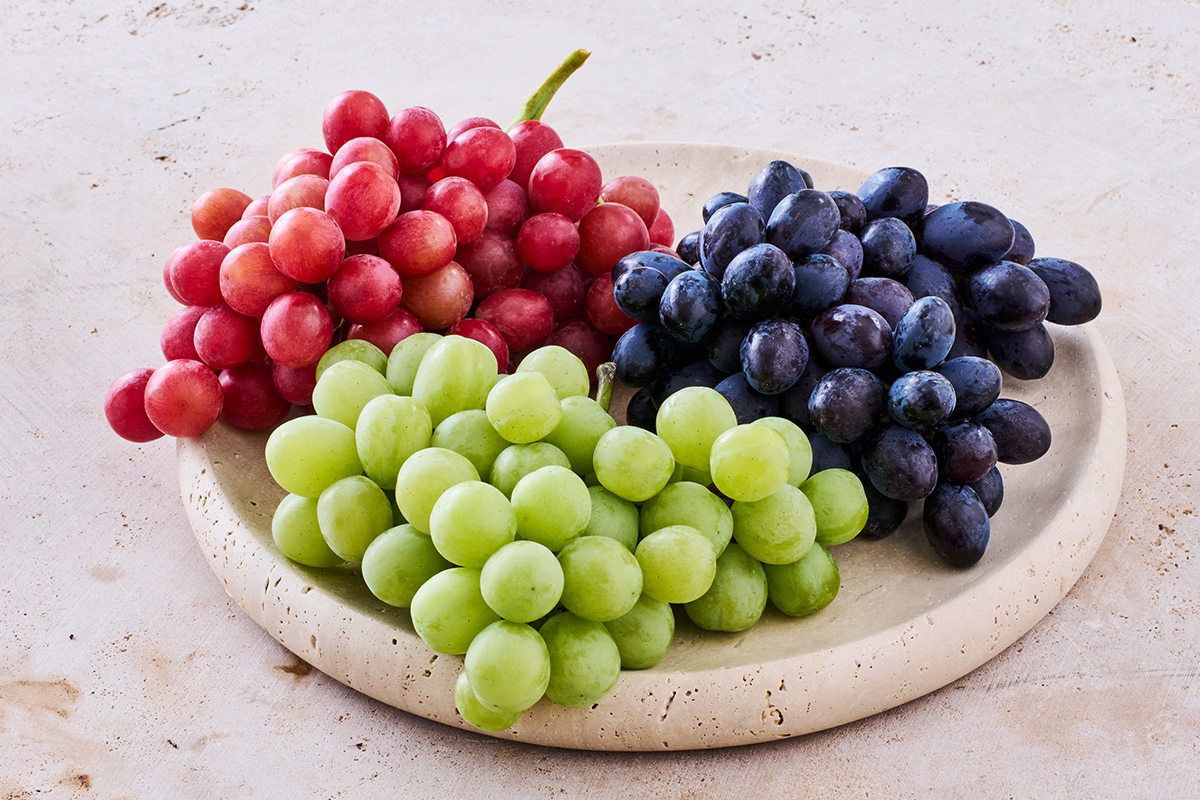
Table Grape Expectations
California's table grape season should kick off in May in the Coachella Valley, says Ian LeMay, president of the Fresno-based California Table Grape Commission.
By the end of July, the harvest moves north to the San Joaquin Valley, where California grapes can be harvested into December with promotable volume available through January.
Any time is a good time for retailers to promote California grapes, LeMay says.
“In the early part of the season, it is important for retailers to stock and promote California grapes to let their shoppers know that California grapes are available,” he says. “Through the summer and fall, California grapes fit into any promotion, whether it's summer celebrations, back-to-school grocery shopping or festive fall gatherings.”
LeMay says 99% of the U.S. commercially grown table grapes come from the Golden State.
In 2025, California shipped approximately 92.5 million 19-pound boxes of table grapes, which is above the five-year average, LeMay says.
The commission plans to launch an extensive global marketing plan for 2026 that will target the U.S. and 23 export markets around the world, LeMay says.
“The campaign motivates the trade — including retailers, wholesalers and importers — to stock and promote California grapes with a variety of incentives such as contests, digital promotions, merchandising, point-of-purchase materials, sampling and a retail registered dietitian program to motivate the sale of California grapes,” he says.
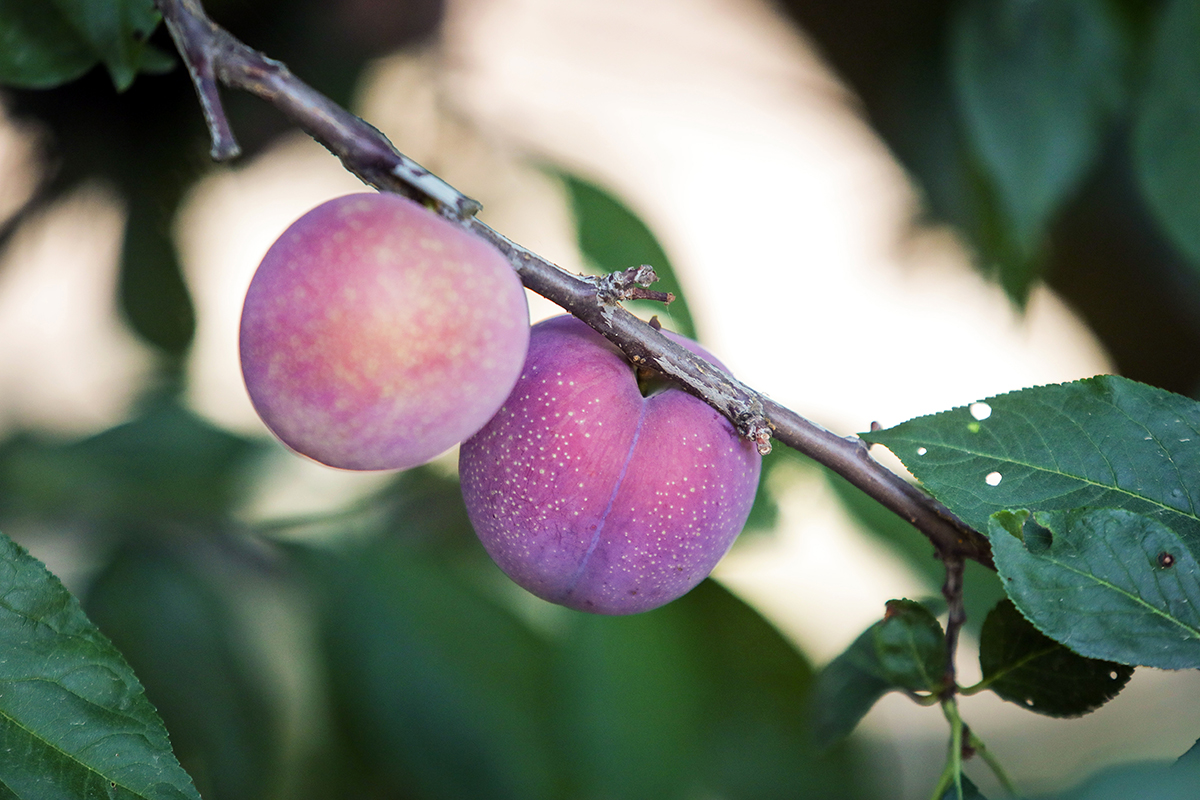
The State of Stone Fruit
California stone fruit — including apricots, nectarines, peaches and plums — is available from mid-April to November, says Courtney Razor, director of member services and communications for the Fresno-based California Fresh Fruit Association.
Up to 85% of U.S.-grown stone fruit comes from California, she says.
“California's combination of climate patterns, fertile soils, water supply and availability and unique growing regions creates ideal conditions for producing high-quality stone fruit over an extended season,” she says. “Each season, consumers have come to expect California-grown stone fruit to deliver exceptional quality, consistently offering outstanding flavor, vibrant color and peak freshness.”
This year should be no exception.
Though there's a lighter snowpack in the mountains, most growing regions received adequate rainfall and chill hours through the winter, Razor says.
“Our growers will continue to play an important role in helping Americans reach their necessary vitamin, mineral and fiber intakes, especially as new federal dietary guidelines encourage us all to consume more fresh produce,” she says.
In addition to supplying their U.S. customers, CFFA growers use USDA market development grants to promote stone fruit exports to Japan, Mexico and Vietnam, Razor adds.