What do you consider as “fresh”?
Fresh means different things to different people. To the untrained eye looking at produce, fresh means ripe, ready to eat or simply free from decay.
Fair enough. However, to people in the produce industry, fresh can encompass a range of descriptors. A few thoughts:
For a grower/shipper, fresh may mean that a product is mature, that the grades, sizes and packs meet or exceed USDA and receiver standards, as well as that the produce is handled correctly, is pre-cooled (if applicable), inspected and shipped with confidence of making good arrival at the receiving point.
For a receiver, fresh means that the produce meets the same critical-point checklist. Ensuring that what was ordered is in fact what is on their dock; it also meets specs, arrives on time and is ready to be whisked into reserve — so the produce inventory turns quickly, cycles through with minimal time and maintains the cold chain, and thus, ensures the majority of the shelf life of an item belongs to the customer.
Which brings that fresh standard to the friendly neighborhood grocer, where a growing number of customers have lost faith — as we often hear from those who shop at local or farmers markets — and not trusting their grocer to be nearly as fresh. They are constantly told in social media, among other sources, that their store-bought produce has been en route or in storage for weeks instead of just days, which is a gross misconception.
As for shoppers, whenever I have spoken to consumers, be it in a formal class setting or focus group, I advise them every time: Want the best, freshest produce? Shop in a busy store.
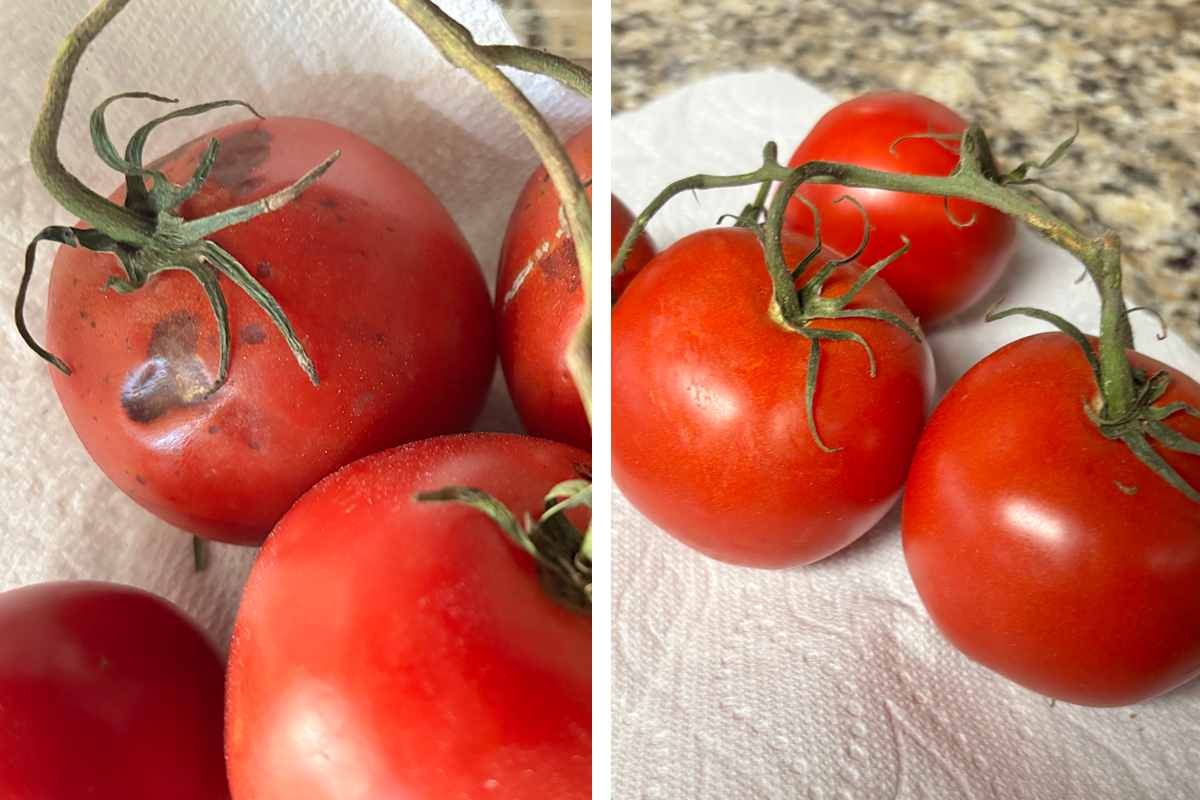
Why? Because as you may have guessed, a busy store, like a busy restaurant, is fast-paced. Yeah, you'll have to endure finding a parking spot and facing a crowd; however, each offers a fast-turning inventory. Meaning, the produce you see on display was likely in the warehouse just a day earlier and arrived from the source perhaps just a day or so prior to that. Shop with confidence. Fresh.
That, my postharvest specialist produce friends, is the essence of field-to-fork freshness.
Chances are far greater you will purchase the produce with the longest legs — or best shelf life — and the best sell-by-dated product in the busy store. And if a store is managed well, especially in regard to sanitation, friendly and helpful clerks, stock conditions and price, you as the end user will enjoy the benefit of the freshest produce with the optimum shelf life. The tomatoes purchased today will likely still be fresh in three days, or longer.
The slow or the poorly managed store? The consumer may buy something that seems acceptable, only to have it break down the next day. Even if your store offers a freshness or money-back guarantee, the gesture rings hollow. Few people return spoiled produce. That leads to the customer reasoning that their store has poor produce (and low confidence in other perishables).
They are likely not to return as often, if at all, and you as the merchandiser struggle to keep fresh product on the shelf, knowing you must cull closer, order extra variety and replenish some things over and over that just don't sell well; so, you take the loss, not earning as much in sales or gross profit, and must endure stretches of higher shrink as you attempt to build a fresh reputation and grow sales.
It's possible to regain customer confidence, but it takes time — and expense.
So, what is “fresh”? It means something different to everyone. But to the consumer, whose opinion means the most, when you see it, when you experience all the sensory elements, the crunch, the flavor — you just know it's fresh. And you don't want anything less.
Armand Lobato's more than 50 years of experience in the produce business span a range of foodservice and retail positions. He has written a weekly retail column for two decades.