When federal aviation officials ordered a nearly five-hour nationwide ground stop Nov. 13, shippers and food buyers braced for potential bottlenecks just ahead of the peak Thanksgiving rush.
Yet, according to supply chain integration leaders, shoppers browsing grocery store produce aisles next week won't notice missing holiday staples — not because air freight isn't vulnerable but rather because the bulk of supermarket food moves on wheels and rails rather than wings.
“Very little of our food chain is actually done by air cargo,” says Frank Kenney, vice president of global go-to-market for supply chain integration platform Cleo.
Core holiday items such as potatoes, cranberries, bananas and turkeys travel through a traditional, high-volume cold chain relying on long-haul refrigerated trucks and rail spurs directly into major retail distribution centers. Because those networks continued operating independently of the airspace shutdown, everyday grocery inventory remained insulated.
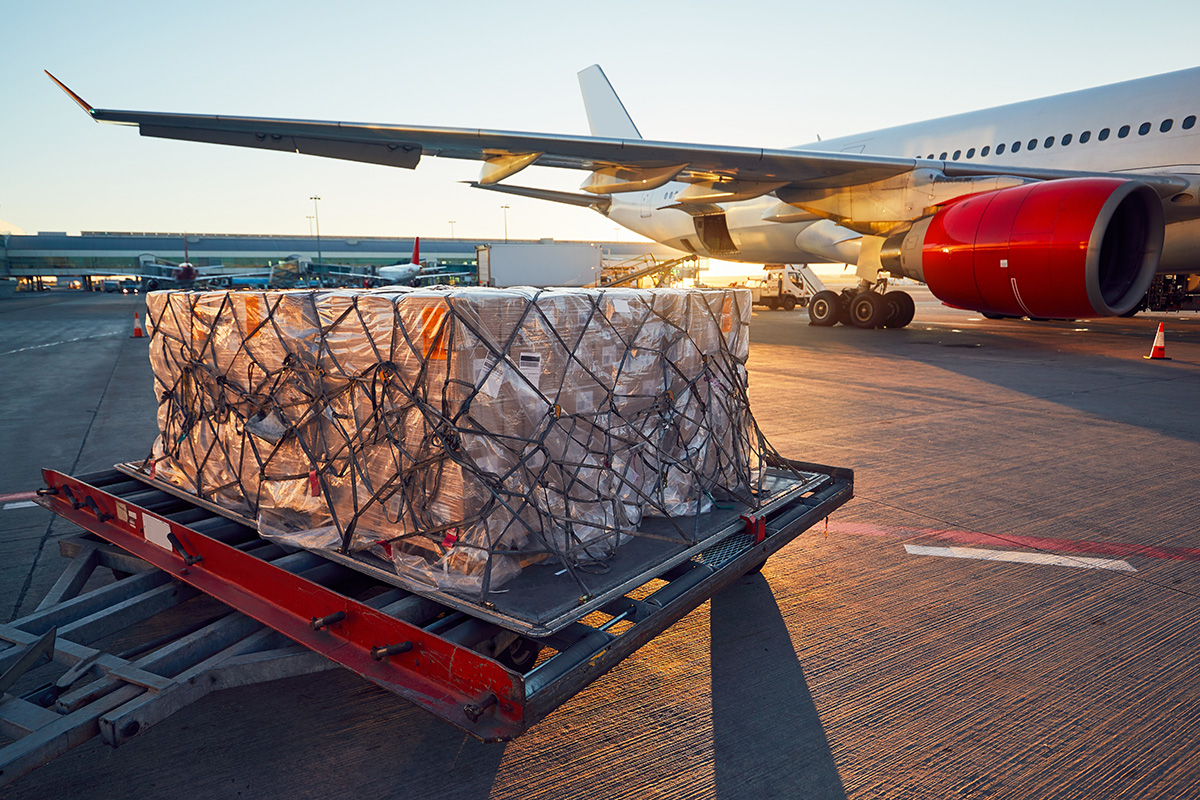
Instead, air cargo serves a much smaller, specialized and ultra-perishable tier of the food economy, and that is where a ground stop acts as an immediate stress test. High-margin items with narrow shelf lives, such as fresh berries, herbs, mushrooms, specialty meats and live seafood, frequently bypass standard retail warehouses altogether. Rather, they move straight from airport tarmac facilities onto smaller, last-mile refrigerated trucks bound for high-end restaurants, specialty markets and foodservice kitchens.
While the nearly five-hour pause Nov. 13 allowed temperature-controlled airport containers to hold steady until cargo flights were prioritized back into the air, Kenney says that stretching a similar outage to eight hours or a full day would trigger steep financial losses.

“Have it last eight hours or have it last a day or a day and a half — then you start to get into issues with that final mile,” Kenney says. “Now you've got restaurants, special services and brokerages for exotics or different types of meat and things that have to be served specialty. A lot of money [could be] lost.”
In foodservice, the operational domino effect happens quickly. Unlike a major supermarket chain that can absorb a minor delay across massive regional warehouse stock, an independent restaurant relies on exact, same-day deliveries to build its nightly menu. If a flight connection is missed without automated alerts reaching the distributor and kitchen, Kenney says a refrigerated truck can arrive hours late to a closed restaurant — leaving suppliers with ruined inventory and chefs scrambling.
That physical bottleneck extends to distribution hubs as well, where out-of-window deliveries can snarl loading docks right as holiday freight volumes peak.
“The biggest challenge following an air freight disruption like this is managing the ripple effect as delayed shipments make their way back into an already busy supply chain,” says Sam Saad, chief commercial officer for supply chain visibility firm Eaigle. “Distribution centers may see freight arrive outside its planned window, creating congestion at facility gates and putting additional pressure on refrigerated trucking networks to move time-sensitive goods quickly.”
Saad says that heading into Thanksgiving, having real-time visibility into incoming trucks, yard activity and shipment arrivals is critical to cutting down unnecessary dwell time and keeping perishable goods moving.
For Kenney, the larger lesson from Friday's disruption is about real-time supply chain visibility. When unexpected shocks hit, foodservice buyers and retail procurement teams expect automated alerts from their logistics partners well before they hear about a crisis on the evening news.
“Everybody knows that these things happen — it's weather, it's all types of weirdness in the world,” Kenney says. “What they don't like is the lack of information about: ‘What are we going to do? What do we need to be doing?'”
If a supplier alerts a restaurant buyer within minutes of an airport delay, that chef has time to source backup produce from a local wholesale market or adjust the evening menu. When suppliers rely on manual tracking and fail to communicate proactively, they risk more than a single spoiled pallet.
Kenney says major grocers and foodservice buyers increasingly grade third-party logistics providers and distributors on how fast they manage exceptions — meaning a breakdown in communication during a brief ground stop can cost a supplier its next contract.