Editor's note: This story is part of an ongoing Sowing Change series about urban farming.
In the volatile landscapes of Afghanistan's Kandahar province, David Flynn learned that a road is a lifeline for a struggling economy. Years later, as the CEO of AmplifiedAg, he is applying that same mission-driven mindset to a different kind of isolated environment: the U.S. correctional system.
By deploying high-tech vertical farms inside prison walls, AmplifiedAg is creating a new path for incarcerated individuals, one that leads away from recidivism and toward specialized careers in the growing ag-tech sector. Flynn says agriculture reentry programs have the lowest recidivism rate — at 19% —among any other programming.
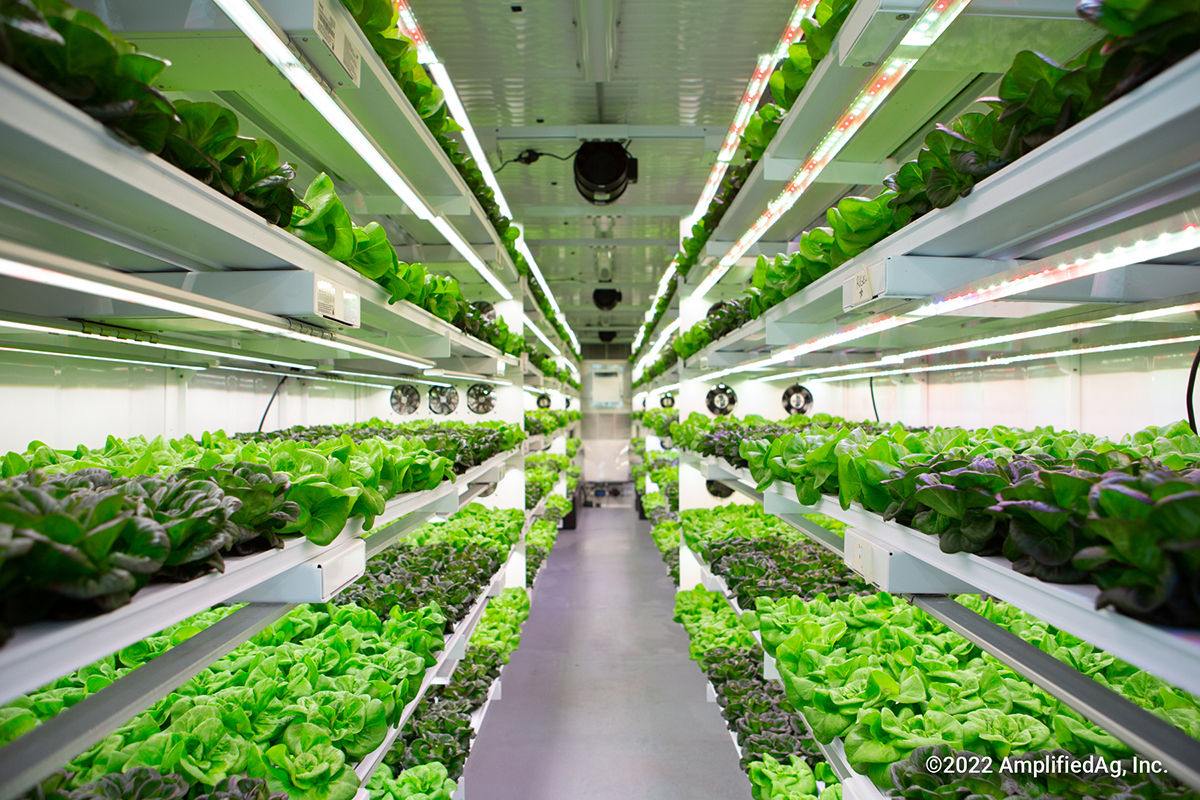
AmplifiedAg has spent years honing the modular approach to indoor farming, using upcycled refrigerated containers to grow produce in environments where nature has largely bowed out. While the technology is sophisticated — involving proprietary internet-connected sensors and climate control — the most significant impact of this work is currently being felt behind the barbed wire of the Camille Griffin Graham Correctional Institution in Columbia, S.C., and the Central California Women's Facility in Chowchilla, Calif.
The path to these prison yards began years ago in Afghanistan. During his military service, Flynn observed how the local economy in the Arghandab district relied on a fragile irrigation system to sustain its world-famous pomegranate orchards.
“My view of combat was about 30% violence and 70% everything else that you do,” Flynn says. “Part of that ‘everything else' was trying to help the local economy.”
He saw firsthand that food security was the cornerstone of a stable society, a lesson that now drives AmplifiedAg's mission to provide for underserved and isolated populations.
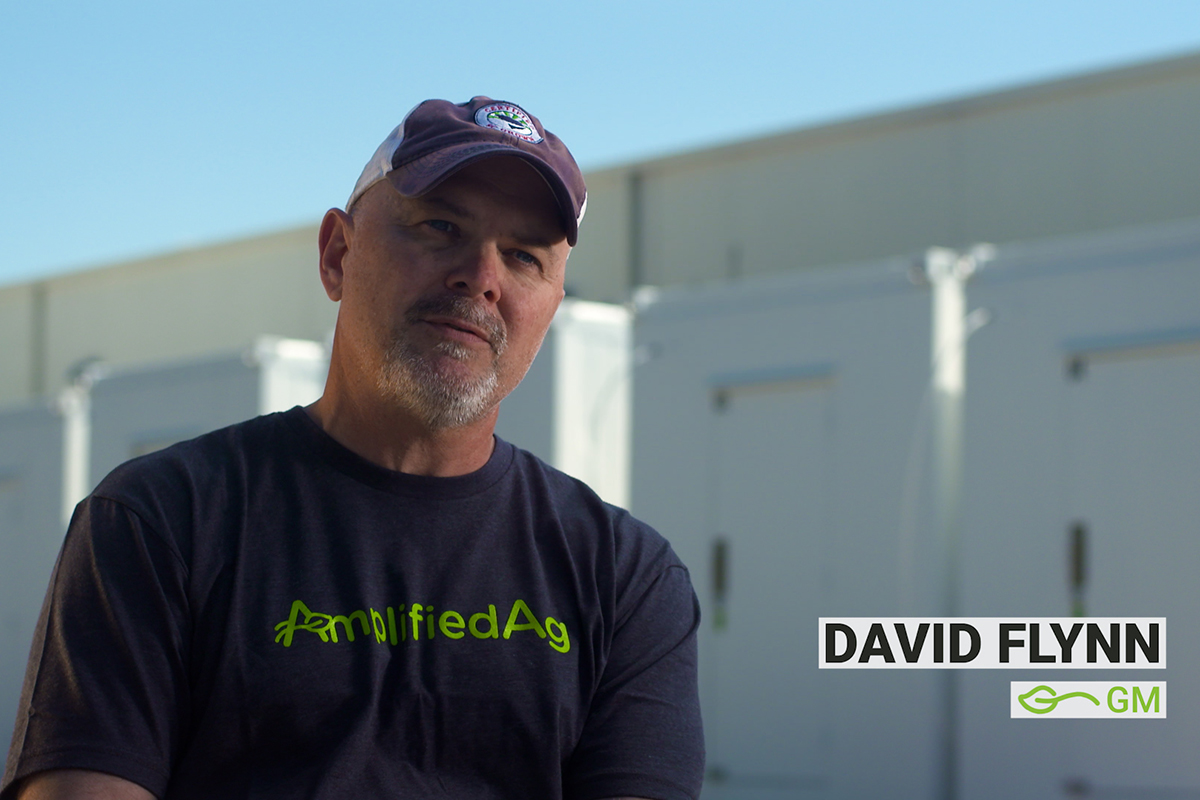
In South Carolina, that mission took the form of a partnership with the state's corrections department. Director of Agriculture Rick Doran was looking for a way to modernize the state's prison farms, moving beyond traditional row crops into the future of agribusiness. However, placing a high-tech, internet-connected farm inside a maximum-security prison presented a unique set of logistical headaches.
“The one that caught us off guard the most was just the software access,” Flynn says.
In an environment where internet use is strictly controlled to prevent illicit communication, AmplifiedAg had to work closely with prison IT professionals to create a “restricted pipe.” This ensures the farm's sensors can communicate with the cloud, but the participants cannot wander elsewhere on the web.
“We have to provide them with a URL that is specifically for the farm's control,” Flynn says, noting that the security of the facility always remains the top priority.
The program, known as Cultivating Futures, is designed to be more than a source of labor. By the time the women at the correctional facilities complete the program, they have been immersed in a curriculum that covers everything from horticulture and food safety to the business of entrepreneurship. Flynn is adamant that the goal is to create a professional bridge to the outside world.
“Our system isn't just focused on labor,” he says. “It's designed to create skill sets that make somebody attractive for employment on the other side.”
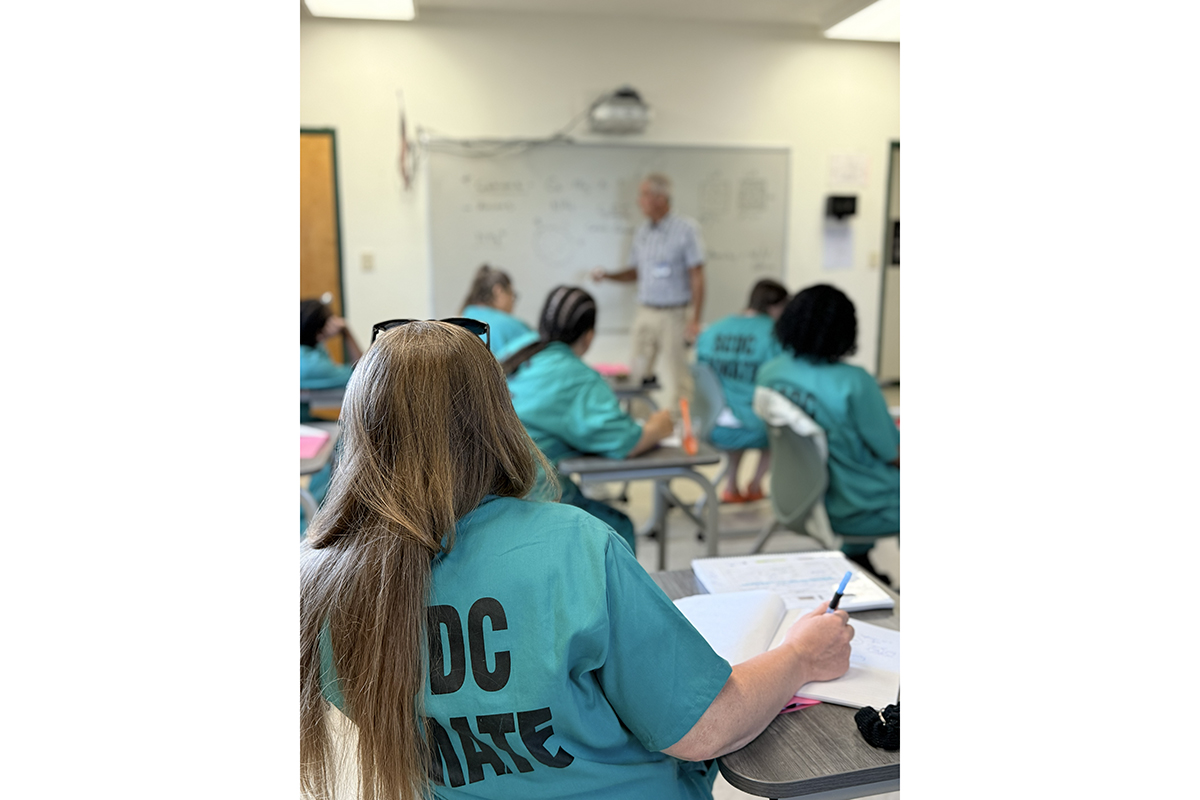
To ensure that attractiveness translates into a paycheck, the program has secured letters of intent from the Palmetto Agribusiness Council, ensuring that graduates get a fair shot at interviews upon release.
The benefits are as much psychological as they are economic. A study published by the National Institutes of Health found that prison gardening and farming programs function as a “restorative sanctuary,” significantly reducing symptoms of depression and anxiety among participants. And the National Library of Medicine shows exposure to plants, green space and gardening is beneficial to mental and physical health, reducing symptoms of anxiety and depression, thus improving daily life behind bars and overall well-being.
The production capacity of the corrections container farm model is as impressive as its mission, yielding approximately 48,000 pounds of fresh, nutrient-dense greens annually. This harvest directly enhances the diet of the incarcerated population by being served in the prison cafeteria, and it extends its reach into the surrounding community.
Solving for the Impossible
While the work in South Carolina and California is a primary focus, AmplifiedAg continues to test the limits of modular farming in other underserved and extreme spaces.
- Saltwater solutions — The company helped enable Heron Farms, the first saltwater vertical farm, which successfully grows sea beans using seawater.
- Scientific research — Working with USDA, AmplifiedAg's systems are used to study cultivars like cucumbers, peppers and rice to help traditional field growers combat pathogens.
- Hyperlocal resilience — Unlike massive warehouse farms, Flynn argues the container model is more resilient because it provides a hyperlocal solution that complements traditional agriculture rather than trying to compete with it.
“Indoor agriculture is not designed to compete with traditional agriculture, but more so to complement it and provide an off-season and year-round type of solution,” Flynn says.
For the women in South Carolina and California, that solution isn't just about the lettuce; it's about the growth that happens when a person is given the tools to harvest a new life.
Your Next Read: