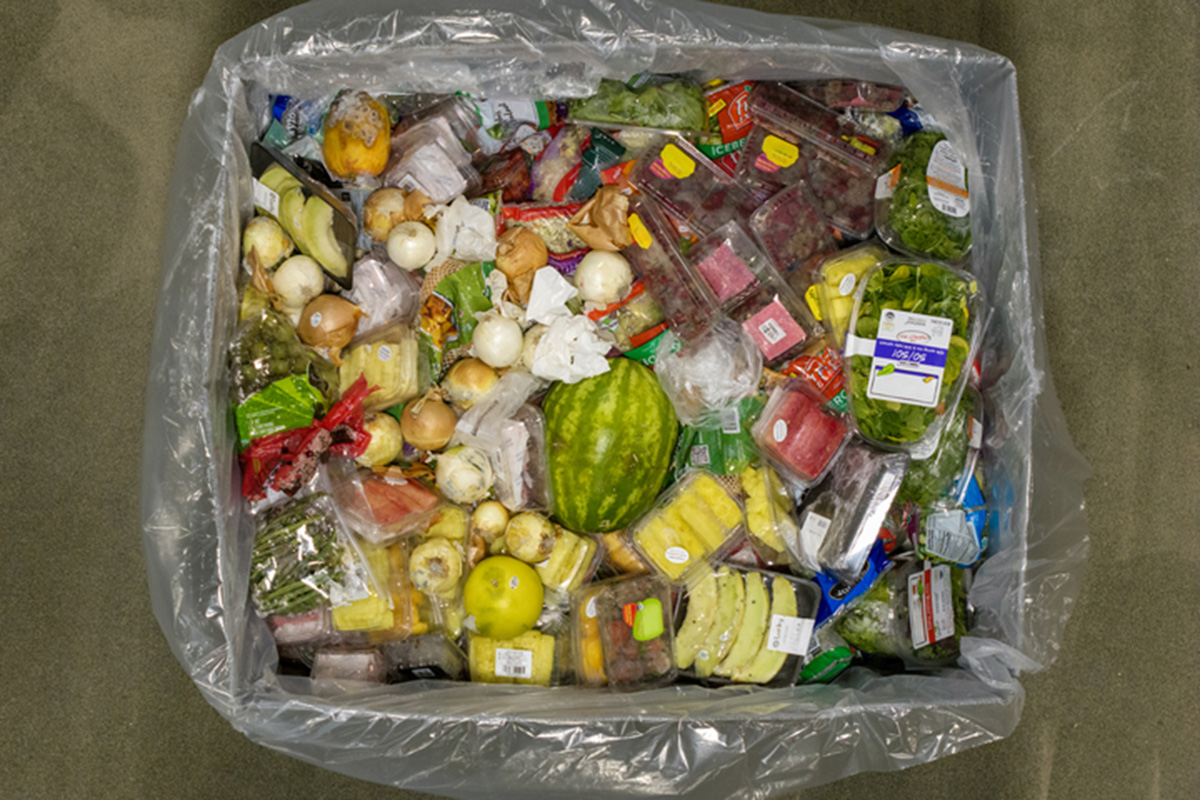
For produce departments, shrink has long been viewed as an unavoidable cost of doing business. Highly perishable items, strict quality standards and fast inventory turns make some level of unsold product inevitable. But retailers are increasingly rethinking what happens to that food once it leaves the sales floor, and companies like Divert are helping make unsold produce more visible, manageable and impactful.
Divert works with more than 7,800 retail locations across the U.S., partnering with grocers to keep food out of landfills while prioritizing donation and recovery opportunities whenever possible, according to Teresa von Fuchs, vice president and general manager of retail for Divert.
“One of the things that we think is really beneficial is obviously getting food out of the landfill,” von Fuchs says. “But even more important than getting it out of the landfill is making sure it goes to feed people.”
Historically, unsold food management has been something of a black box for retailers, von Fuchs says. Produce is culled throughout the day, but the data behind what's removed, why it's removed and where it ultimately goes has often been fragmented or difficult to track, she says.
Divert's in-store solution is designed to change that by making food waste highly visible and easy for associates to manage in the back room. Perishable items from any department, including produce, are placed into Divert bins, creating a centralized system that simplifies disposition decisions while capturing store-level data.
Because the system is easy to use, von Fuchs says retailers often see immediate improvements in overall waste reduction not just in diversion. When associates understand where unsold produce goes and why, they're more intentional about culling and donation practices.
“It becomes a training tool,” she says. “You can work with all your department leaders and all store associates to make sure that they're very aware of donation guidelines.”
High employee turnover remains one of the biggest challenges to successful donation and diversion programs, von Fuchs says, particularly in produce departments where staffing changes are frequent.
“The first mandate for all retailers is to sell as much food as possible,” von Fuchs says. “But you've got 50% of the staff that turns over every six months, and so you're looking at constant retraining.”
Divert works with retailers to integrate donation and diversion into everyday workflows rather than treating it as a separate program. In produce, that often means embedding disposition decisions directly into the culling process.
“When you're taking things off the shelf, it shouldn't be multiple points of decision,” von Fuchs says. “If it's donatable, it needs to go as directly as possible toward the donation stream. The more times you touch a product for sorting, the more of it is going to end up not in the places you want it to be.”
Other common barriers include inconsistent pickup schedules, unclear staging areas that don't support cold chain requirements and lingering misconceptions about food safety liability. Von Fuchs says myths around donation risk persist, even though federal protections have been in place for years.
“A lot of it is myth-busting, operational execution focus and helping stores see that this isn't just the program of the month,” she says.
Case Studies and Measurable Results
In one case study conducted by Divert, Safeway increased food donations by 20% in just three months after implementing Divert's optimization solution. According to von Fuchs, Divert assigns a dedicated team to work with individual stores, identifying specific barriers and coaching teams on how to unlock more donation opportunities
Since 2018, the company says Divert has facilitated the donation of 15.7 million pounds of food.
Beyond donation, Divert also provides retailers with highly granular data at the store and department level. That information can be analyzed alongside sales and inventory data to pinpoint where additional markdowns, merchandising changes or training support might be needed.
“You're not trying to blast 100 stores with the same message,” von Fuchs says. “You can see that maybe these 10 stores need more on-the-ground handholding.”
From Unsold Produce to Renewable Energy
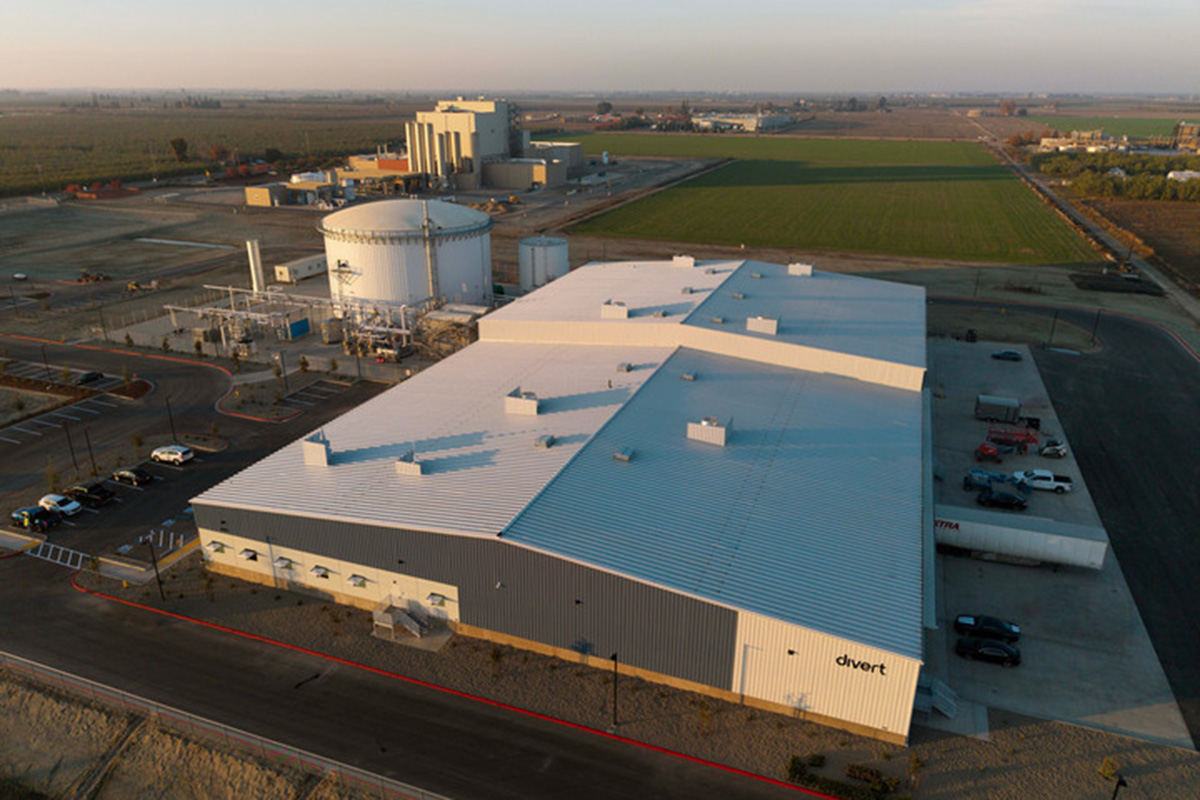
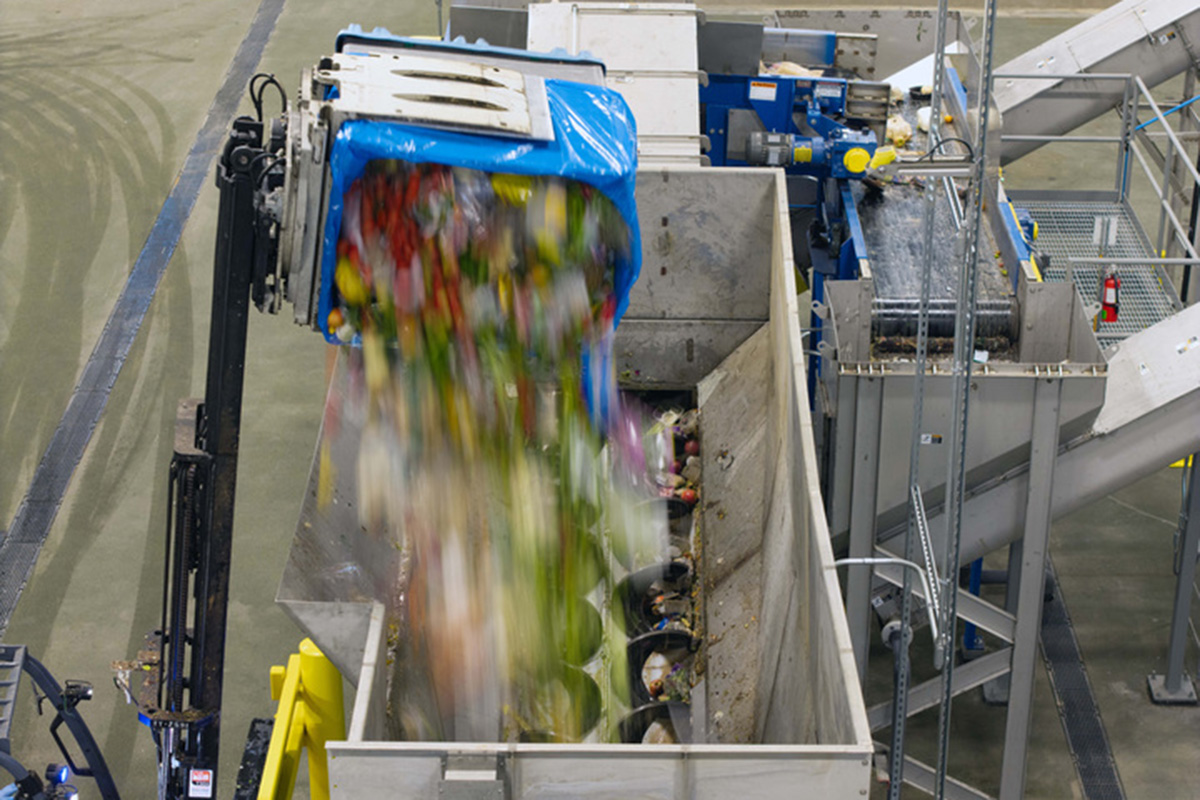
When food can't be donated or sold, Divert ensures it still delivers value. Unsold food collected in stores is sent through distribution centers and consolidated at Divert facilities, where it's processed into renewable natural gas.
“We capture all the data around it at a store level, and then we turn that unsold food into renewable natural gas,” von Fuchs says. “Homes are powered in areas by the grocery stores that serve that same area.”
For retailers, this closed-loop approach helps align sustainability goals with local community impact, particularly in regions where food waste diversion supports nearby energy infrastructure, she says.
Von Fuchs sees the future of food waste management shifting away from simply reducing trash toward managing unsold food as a category — one that intersects with sales, donations and customer engagement.
“There's a lot of opportunity, especially in economically uncertain times, to make sure more surplus food gets sold out the front door, goes to feeding people or is recovered in other meaningful ways,” she says.
For produce departments, that mindset reframes shrink as a source of insight rather than just a loss. With better data, clearer processes and stronger associate engagement, von Fuchs says retailers can reduce waste while increasing both operational efficiency and community impact.
Your Next Read: Divert and General Produce Partner to Transform Non-Donatable Food to Renewable Energy, Soil Amendment