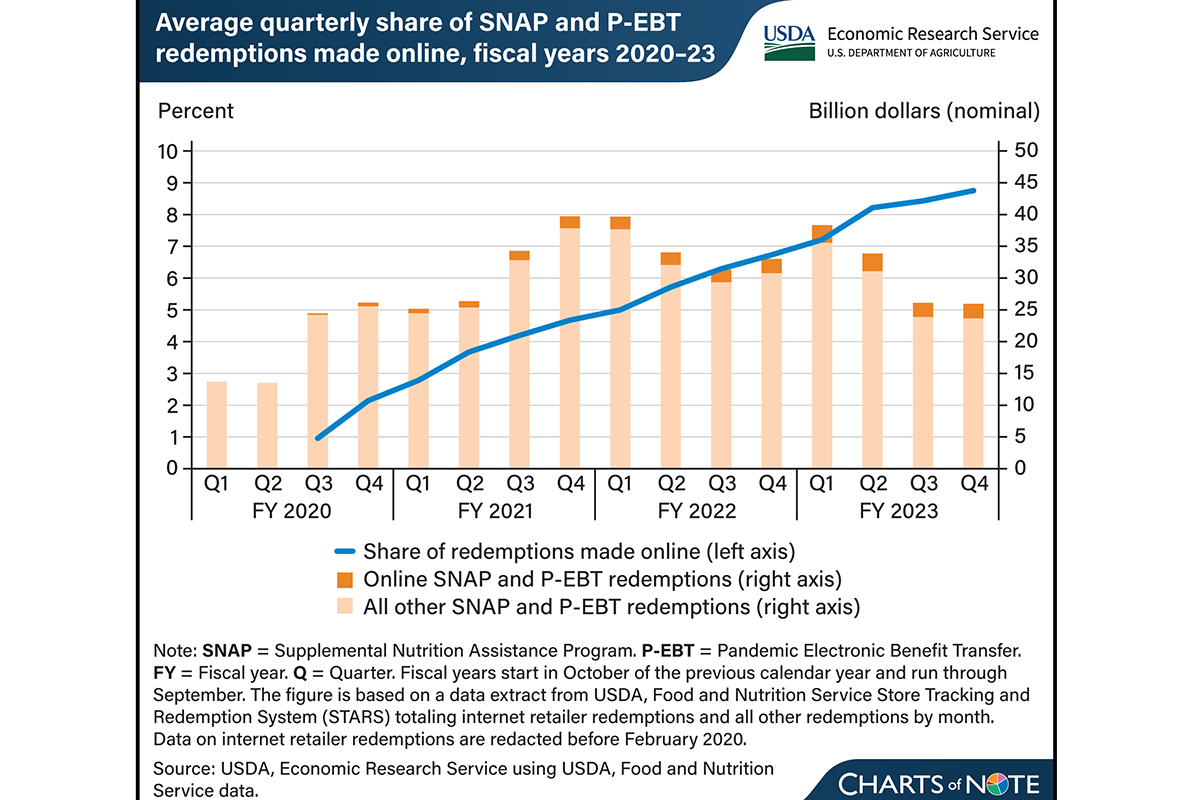
The landscape of food assistance has undergone a significant digital transformation. According to USDA, online SNAP benefit redemption increased nearly tenfold between 2020 and 2023. As more households transition to digital shopping, Amazon is positioning its infrastructure to meet the specific needs of customers using government assistance through its Amazon Access suite of programs.
A primary focus of this strategy is the delivery of fresh, healthy food.
“We continue to see how important perishable items are to Amazon customers shopping with SNAP benefits,” says Nancy Dalton, director for Amazon Access. To support this, Amazon has implemented a “Freshness Guarantee” across its platforms. This badge identifies fruits, vegetables, meat and dairy items that are guaranteed to arrive as expected, or the company will provide a remedy.
Maintaining the quality of these perishables relies on specialized logistics. Delivery processes are currently optimized to preserve temperature integrity from fulfillment facilities all the way to a customer’s door. This capability allows SNAP recipients nationwide to shop for groceries from Amazon.com, Amazon Fresh and Whole Foods Market where those services are available.
Bridging the Affordability Gap
For many low-income shoppers, the challenge is not just availability but also the added costs of delivery. While SNAP benefits cover the cost of food, they cannot be used to pay for shipping fees, delivery fees or tips.
To address this, Amazon offers several ways to reduce overhead costs for EBT cardholders:
- Grocery Subscriptions: Customers with a registered EBT card can access a discounted grocery subscription for $4.99 per month. This provides unlimited delivery on orders over $25 from Whole Foods Market and Amazon Fresh.
- Free Pickup: SNAP EBT customers can use free pickup services at Amazon Fresh locations across the U.S. Pickup is also free on Whole Foods Market orders of any size.
- Prime Access: Recipients of qualifying government assistance are eligible for Prime Access, which provides the full benefits of a Prime membership at 50% of the standard cost.
“Amazon Access remains focused on making shopping easier and more affordable for low-income customers,” Dalton says.
Pilot Programs and Nutrition Incentives
Amazon is also testing localized incentive programs to encourage the purchase of fresh produce. In Washington, eligible SNAP shoppers can earn a $5 “SNAP Produce Match” benefit for Amazon Fresh. A similar pilot in Baltimore allows customers to earn a $30 “B’More Fresh” benefit coupon or a $20 delivery credit.
These programs are developed through collaboration with state and local governments. Amazon launched these pilots to evaluate their implementation and impact on the customer experience. The company has indicated it remains open to further collaborations that could bring similar nutrition incentives to other communities.
Navigating Future Regulatory Changes
The variety of products available via SNAP is expected to shift soon. Amazon has begun notifying customers that starting Jan. 1, SNAP EBT-eligible products may vary by state due to new local regulations. States such as Indiana, Iowa, Nebraska, Utah and West Virginia are expected to restrict the purchase of high-sugar beverages, candies and prepared desserts using SNAP benefits.
To assist shoppers during this transition, Amazon says it provides a “SNAP EBT–eligible” label on product pages to clarify what can be purchased with benefits in real-time.