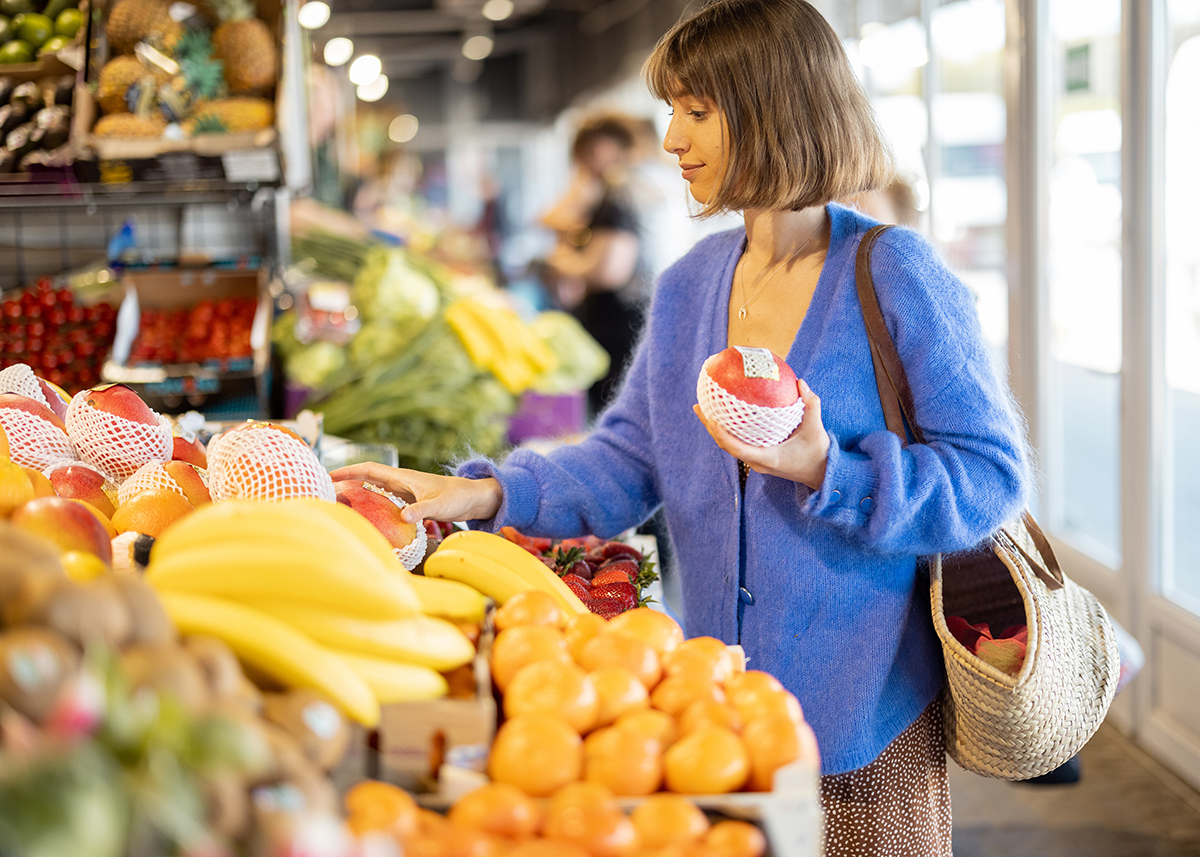
When asked about generational trends in organic consumption Matt Landi, vice president of industry relations for the Organic Trade Association, is quick to point out that a lot of that has to do with how readily accessible organics has been to different generations.
The Organic Foods Production Act, which created national organic standards, didn't occur until 1990. So, for traditionalists and their children, baby boomers, organic produce wasn't even a thing, and the same for Gen Xers. Landi says it's less about demographics and more about general awareness.
“Everyone born after a certain date has exposure to organics,” he says. “When you're seeing numbers like with Gen Z and millennials, and you see this progression of having folks be more open to it is because it's just becoming more ingrained in our food system.”
Landi says this is as much to do with how organics have become more ubiquitous and therefore more readily accessible to consumers.
“The biggest thing about organic at this stage is that when we look at those numbers for Gen Z, and Gen Alpha eventually, there isn't a day in their life when there wasn't something organic in their house,” he says.
Landi says that with the level of trust in organics, younger consumers are more willing to pay for organics as Gen Z and millennials seek out attributes in their food that they can feel good about.
“We did a consumer perception study last year, and organic is still by far the most trusted label,” he says.
Landi adds that this consumer perception and trust in organics has created this great opportunity to have a conversation about food production.
“It's hard not to see a bright future,” he says.
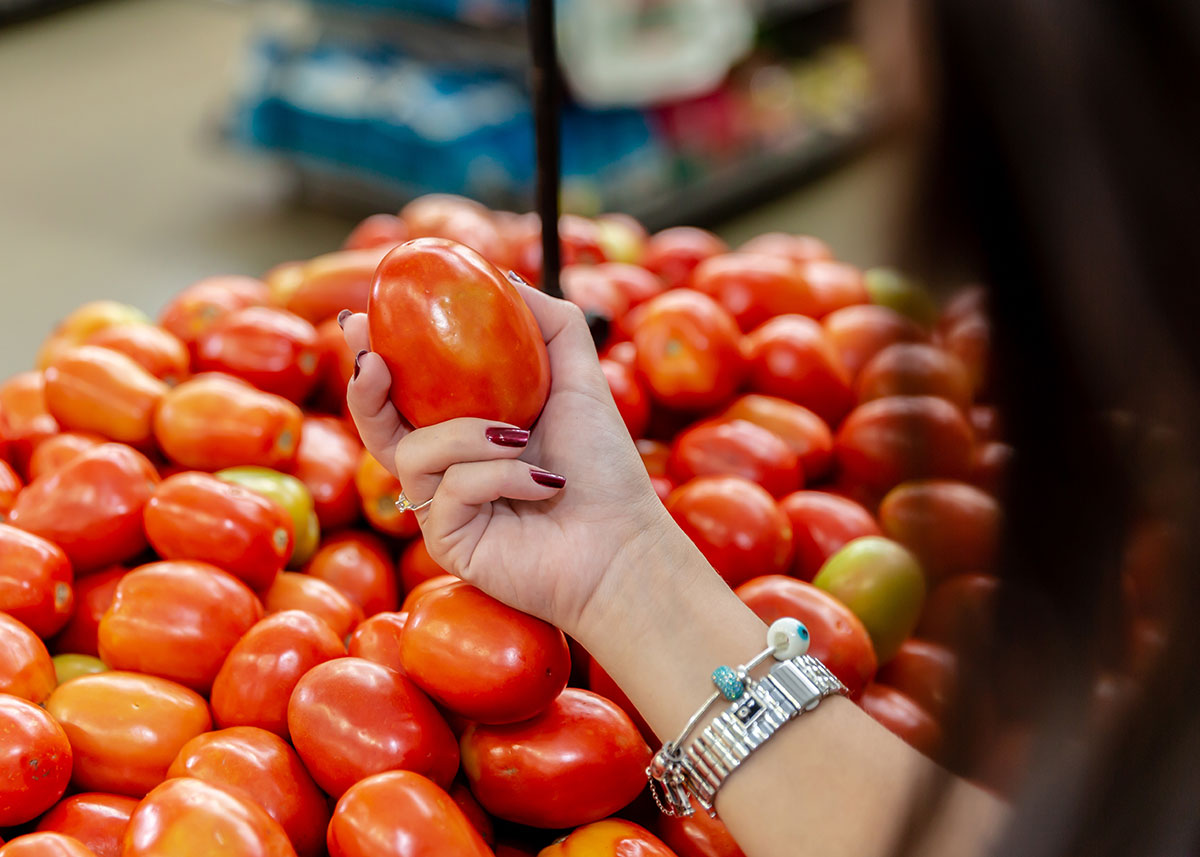
Gold Standard of Consumer Trust
“Organic is 100% built on trust,” Landi says, noting the seal is backed by federal law. “It's one of the only labels that you see on something and one of the only industries that asks for more regulation sometimes.”
Landi says part of the category's future involves preserving that trust.
“We're at this place where it's got to maintain the trust and integrity, and we also have this tremendous opportunity from a generational standpoint of organic is not just mainstreamed, it's more in the consciousness of people as they think about their food,” he says.
Landi says organics also needs to take an approach of continuous improvement to continue to carry forward this trust.
“We've got to be able to be responsive to changing dynamics. When organic started out, it was mostly pretty small and midsized producers,” he says. “And as it's scaled, a different method of agriculture is merging with organic. A little bit more of an industrial-scale organic.”
Along with keeping that trust is also a goal of working to eliminate fraud through legislation, Landi says, as well as the imbalances in subsidies for organic and conventional growers. New rules, such as Strengthening Organic Enforcement, can help eliminate fraud.
Landi says while organics is built on regulatory infrastructure, he says OTA also looks at ways to keep that regulatory infrastructure manageable for growers.
“We're trying to figure out ways to look critically at the process, to try to reduce some of that paperwork burden, especially on smaller producers,” he says. “If you're a large operation, you can hire a compliance team and that's their job. If you're a small farmer, you're doing it at your kitchen table at midnight, or you're doing it all winter.”
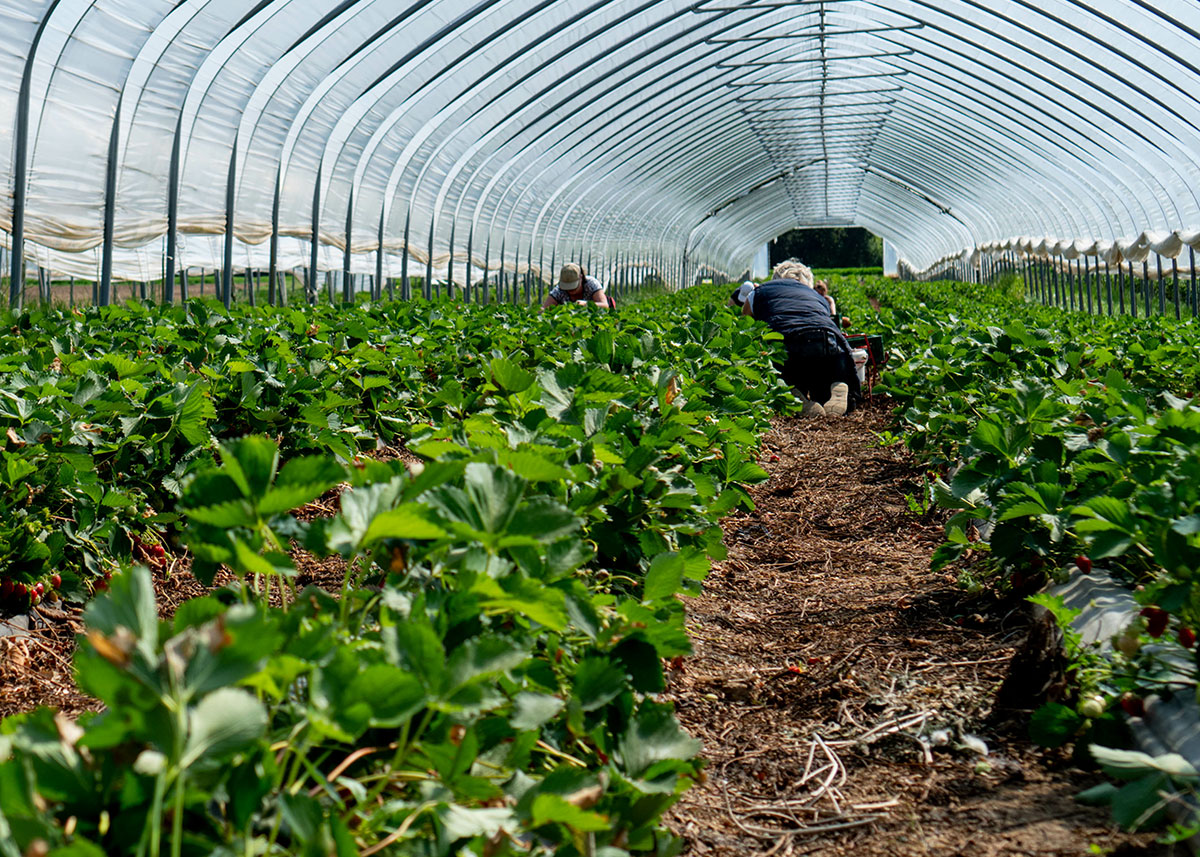
Innovation as the Pathway to Scale
Landi says those small farms, where the grower often wears multiple hats, including sales and compliance, are essentially at the heart of where organics began. And while organic produce is sold at a premium, he views that premium with a perspective of how organic growers take on risk during the growing season.
“All farms are actually essentially giving us all a loan,” he says. “They put all the investment upfront, and they're loaning us this potential food until it's actually food and they can actually realize a return on their investment.”
He explains there are many complexities in why organics cost more, from the cost of labor to the crop protection products growers use. Landi says it's also crucial to remember organic produce makes up only about 15% of the fresh produce sold.
“When you think about this like a startup, you're building something, and I think we're still doing some of that,” he says. “We're still not that old, really, when you think about how the trade works and building up enough volume and being a significant enough part of the supply chain across the board.”
Landi says as additional organic products become more available, it's critical the industry maintains that trust with consumers. He adds there are many good growers who grow only conventional, as well as a lot of growers who grow both organic and conventional.
“We're all looking for continuous improvement, and organic is a measurement toward that rebalancing,” he says. “It's like a way for us to verify that we're moving the needle in some way that we can impact.”
It's also important to recognize just how markedly different organic production is today, Landi says.
“Organic has created all this pathway to innovation,” he says, noting the organic growers he works with are some of the most innovative and smartest people he's met. “As organic continues to mature, we're going to see this innovation as research goes into it. We're seeing the results of some of that now, and its ability to scale to this point has been the result of that.”
Voting With the Dollar for a Systematic Shift
As for future opportunities for organic category growth, Landi says he sees berries as having limitless potential.
“People probably see them as really vulnerable to pesticides, so they look at it as a health move,” he says. “And also, because we have pretty large-scale growers that are involved in it, there's a lot of scale and multi-regional year-round availability.”
Landi acknowledges organics could be vulnerable to greenwashing by some, as well as label fatigue.
“We're always going to be vulnerable to something, but as a standard, organic — because so much is wrapped into it — I think if people understand the complexity of what we have to do to maintain that, there is something there,” he says about the way that consumers perceive and trust organics.
Landi says he sees consumers continuing to buy into the trust of the organic system.
“What you're buying into more is that system,” he says. “When you think about the occasional organic shopper versus someone who's more committed, there's that understanding that you're kind of making an investment, trying to balance the human footprint.”
And food production and agriculture are a big footprint.
“We all eat, so it's a way of voting with your dollar,” he says. “And by every measurement, the data says individual health outcomes are people's purchasing motivation. But I think the big picture is when people philosophically think about organic, it's more thinking about it systematically in the food system.”