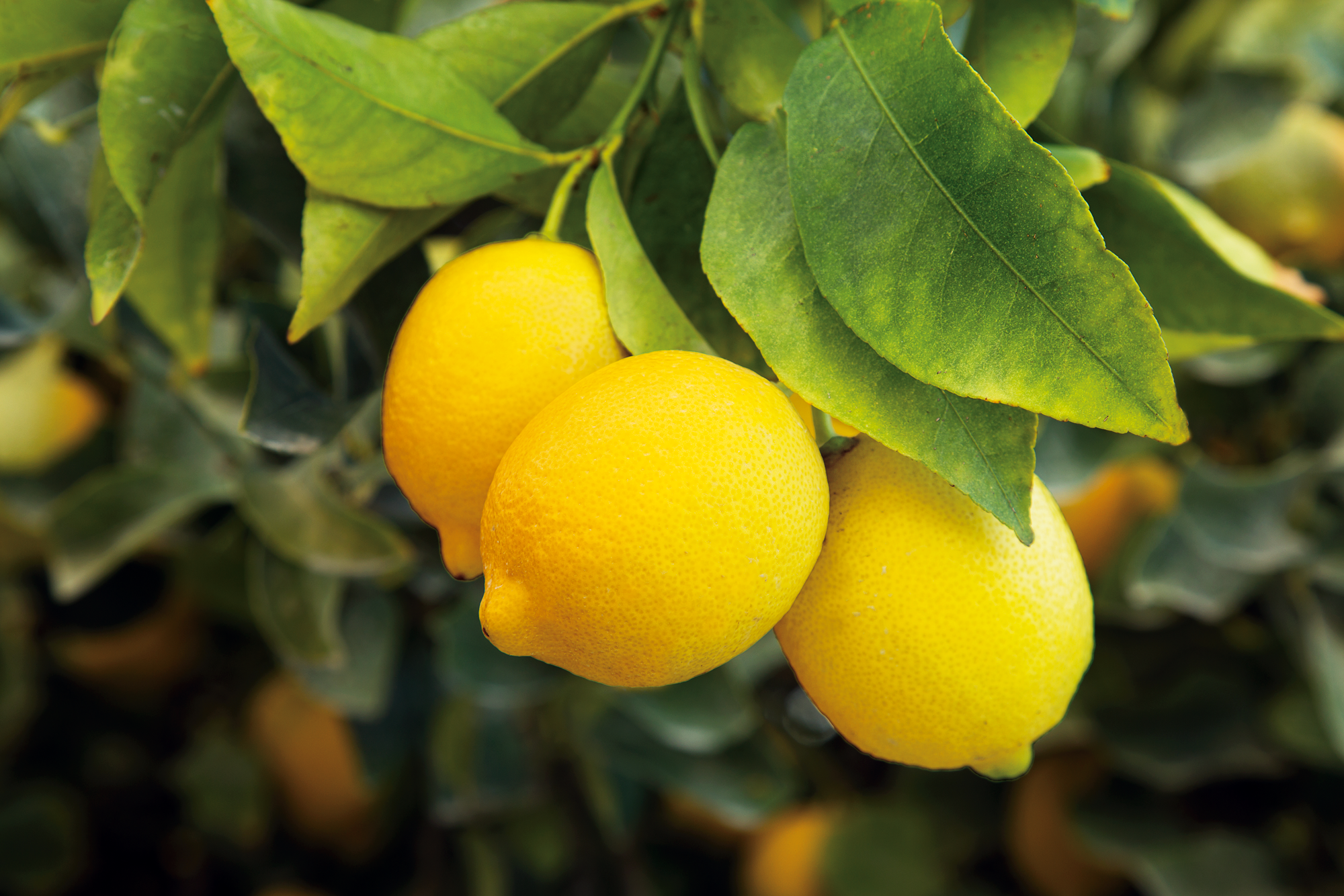
With the U.S. in the middle of its winter citrus season, season, recent weather issues have complicated long-running labor, water and import pressure challenges on the supply side, but there's a lot to celebrate and anticipate on the marketing side.
Citrus demand has been growing recently; most of the familiar citrus varieties rank in consumers' top 10 most purchased fruits, and the vitamin-C-heavy citrus offerings are well positioned to meet consumers' growing interest in healthy, nutrient-dense foods.
Marketing in this mature fruit segment has its challenges, but experts on both the supplier and retailer sides stress the importance of product differentiation, point-of-sale information and collaborative strategies to increase citrus demand.
Supply-side Challenges
You can't market what you don't have, so supply-side issues play into citrus marketing even if the consumer knows nothing about it.
Dave Rooke, senior vice president of sales for Wonderful Citrus, highlights supply chain volatility as an overarching challenge for the citrus industry, pointing to the ongoing issues of rising costs of
labor, water and inputs. However, part of the most immediate issues facing the winter citrus crop has been the weather.
“We've had significant weather challenges in the month of December with foggy weather in the valley for four weeks,” Rooke said Jan. 7.
Fog has contributed to low temperature differentials, with both highs and lows being in the 40s. This, combined with a lot of rain, has made it challenging, he says.
“Then you add rain to the fog, and it just makes it very, very difficult from a supply standpoint,” he adds.
But it's not just weather that's challenging the supply side. Vince Mazzetti, vice president of Blue Banner Citrus — a Riverside, Calif.-based grower-packer-shipper of California citrus — adds import pressure to the list of challenges facing his company, which deals heavily with grapefruit.
“We get a lot of pressure from imports from Mexico, Chile, Argentina, South Africa,” he explains of California grapefruit.
Increasing import pressure on domestic citrus producers is a growing issue. According to the USDA's Economic Research Service's Fruit and Tree Nuts Yearbook records on trade, in 2023 (the most recent complete data) imported grapefruit made up 11.4% of the domestic supply, with the largest volumes coming from South Africa. This was down from 16% in 2022 but up considerably from 2% to 5% that predominated from the early 2000s.
In general, imports are growing as a proportion of available citrus in the U.S. For example, in 2013, 9.35% of available fresh oranges in the U.S. were imported, while in 2023 the number was 17.96%. Similarly, imported lemons represented just under 9% of total lemon availability
in the U.S. in 2013, compared to 22.74% in 2023.
Cassie Howard, senior director of category management and marketing for Sunkist Growers Inc., highlights the growth of citrus imports as an interesting trend among consumers who voice strong support for local produce. She says the trend reinforces “that when shoppers find something they enjoy, they are looking to consume it all year-round.”
Consumers Love Citrus and Its Health Benefits
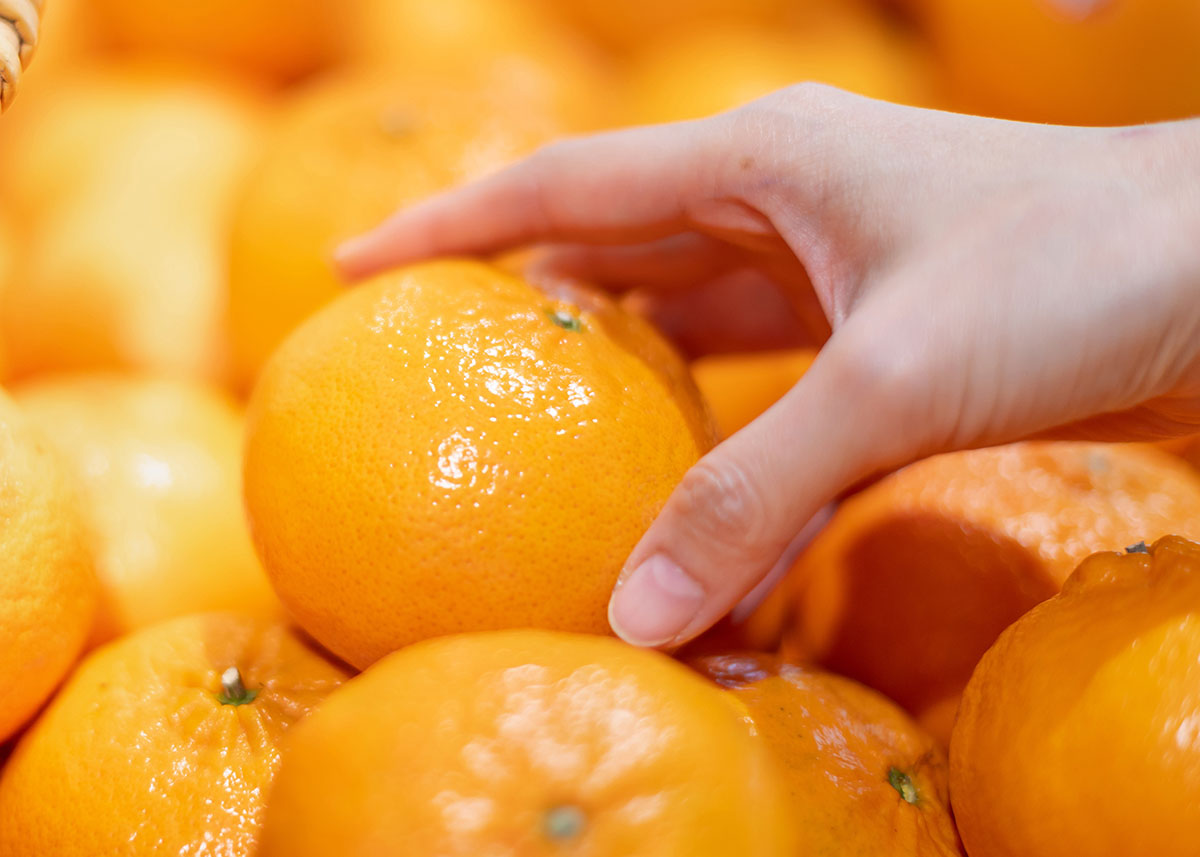
On the demand side, the citrus industry today has much to celebrate. Noting that the past two months have been a bit
chaotic due to recent weather issues, Rooke reports that last year was good with demand for citrus overall being up.
“The citrus industry as a whole was up between about 5% to 6%, which is positive,” he says, adding that citrus overall is “a health-first product,” something that is increasingly of interest to consumers.
Dennis Payne, director of merchandising produce and floral for Greensboro, N.C.-based grocery chain The Fresh Market, says health is front of mind for shoppers, especially early in the year when the domestic citrus season is in full swing.
“During this time, we consistently see an increase in demand driven by healthy eating goals and consumers seeking the nutritional benefits of citrus, particularly during the winter months and flu season,” Payne says.
According to The Packer's Fresh Trends 2026 report, 55% of respondents said they are eating more fruit now compared to two years ago. Those respondents overwhelmingly reported health concerns and seeking more nutrients as the top reason, at 77%.
Additionally, most citrus varieties perform well with surveyed consumers. For example, oranges were the No. 6 most purchased fruit, with 77% of respondents reporting such a purchase in the past 12 months. Lemons came in at a close No. 7, with 76% of respondents saying they bought lemons. Limes were No. 9, with 66% of respondents indicating a purchase.
Rates of reported purchases dropped off with other varieties, with 61% of respondents reporting clementine or mandarin purchases in the past 12 months, for example. Grapefruit saw the lowest rate of reported citrus purchases at only 40%. Still, these reported purchase rates are higher than in past Fresh Trends surveys.
Every citrus category also showed higher rates of reported purchase among younger respondents (Gen Z and millennials) than with older consumers (Gen X, baby boomers and traditionalists) in the Fresh Trends 2026 report. For example, 85% of Gen Z respondents reported buying oranges, compared to only 66% of baby boomers. Similarly, 52% of millennials reported buying grapefruit, compared to only 25% of traditionalists.
Product Differentiation and Consumer Education are Key
While citrus remains popular among consumers, and especially younger consumers, marketing citrus is not without its challenges today. For instance, price can be a marketing problem for citrus in the current economic environment, according to Howard, but she is optimistic.
“What's interesting is that even as many shoppers feel price-stressed, particularly younger consumers, they are still willing to trade up when the value proposition is clear,” she says.
“The opportunity lies in the fact that produce remains a strong value proposition overall, and citrus has a unique ability to deliver nutrition, versatility and familiarity at a price point consumers still trust. When brands and retailers clearly communicate quality, flavor and usage, citrus can win both trial and repeat purchases — even in a cautious-spending environment.”
Differentiation can also be a marketing issue. During citrus import season, generally summer through early fall for all citrus but limes, Payne says citrus faces stiff competition from stone fruit and apples.
“During this time, it's critical for The Fresh Market to differentiate citrus by sourcing the best-quality fruit globally and clearly communicating that value to customers,” Payne says. “Strategic merchandising, compelling storytelling around origin and flavor, and targeted promotions can help citrus stand out and maintain consumer interest during highly competitive seasonal transitions.”
Consumer education on varieties is another key challenge that plays into differentiation, Rooke says.
“If a consumer doesn't know that lemons can be seedless, then they don't go and ask for them,” he offers as an example, referencing Wonderful Citrus' seedless lemons. “So, it's this idea of educating consumers to know what's available and know what they should even begin to ask for.”
Rooke also gives the example of navel oranges versus mandarins as it relates to health messaging.
“Naval oranges have been around forever in the U.S. Mandarins haven't been. So, how do we continue to educate consumers that mandarins can be every bit as healthy and packed with vitamin C as the navel orange that everyone grew up with eating?” he asks, adding that he's often surprised navels are still being sold when compared to the convenience of mandarins.
“If you look at retail price per pound, the price per pound is actually not that different, and so it becomes, ‘what separates that from a consumer standpoint?'” he says.

Focus on Grapefruit Education
Mazzetti also highlights the need for consumer education, particularly when it comes to grapefruit.
“There's a huge challenge with grapefruit, as it hasn't really been promoted a lot the last 10, 15 years,” he says.
He says the lack of familiarity with grapefruit among younger consumers is a challenge, but one about which he is quite optimistic. He shares a personal anecdote about bringing grapefruit as part of a rotating class snack system at his oldest son's elementary school a couple of years ago.
“And for about three weeks, I'd go pick up my kids at school … and I had all these parents coming to me asking, ‘Where do we get this grapefruit? Little Cindy, little Johnny, little Timmy, they all came home screaming that they had this grapefruit at school and they love it,'” Mazzetti recalls.
“If you can get kids to want it, our problems are solved,” he adds.
Rooke also reports that Wonderful
Citrus has also rebranded its Texas grapefruit program, historically known as Sweet Scarlets, in an effort to stand out and differentiate the product.
“We've renamed it Sweet Grapefruit, really to highlight the product offering and try to capture a consumer that maybe doesn't historically interact with grapefruit,” he says.
Direct Consumer Engagement in Stores is a Winning Strategy
Blue Banner Citrus, which just recently parted from Sunkist, now finds itself in the exciting but challenging position of marketing its grapefruit how it wants. Mazzetti says the company is excited to do point-of-sale and direct-to-consumer marketing strategies, such as tastings in stores as an independent packer-shipper.
“At the right time of year, with the right box of grapefruit, we can really do some good promotion on California grapefruit,” Mazzetti says.
According to the Fresh Trends 2026 report, 34% of respondents said sampling would make them more likely to purchase a new produce item or more of a certain familiar item. This reporting rate was equal with “tried it at a restaurant” and just behind the most popular factor, “word of mouth,” at 39%.
Rooke also notes the value of POS information and accessories like bin bases. He says Wonderful has had success with having citrus items outside of the produce section along with special, smaller bins with interchangeable header cards. He gives the example of having these small hexagonal bins of the seedless lemons
in the seafood section, with the header card showing a piece of salmon, as having good results.
“We need to make sure that we continue to have multiple points of offering of the products to a consumer,” he says. “Sometimes it's maybe not on their list, and we want to make sure that they're reminded of it, and having those different points of differentiation is important.”
According to Fresh Trends 2026, respondents preferred produce information be close to or on the produce itself when they purchase it. A quarter of respondents listed in-store signage as the most important source for information about that produce, including origin, preparation and proper storage and recipe tips. Another quarter of respondents listed produce packaging as the most important.
Other options, which saw much lower importance ratings from respondents, were growers' or retailers' websites, social media and news outlets.
But strategies like tastings, special POS materials and distribution throughout the store take considerable effort and good relations with retailers. Speaking from The Fresh Market's perspective, Payne notes the most effective of these efforts are built through direct collaboration with growers with customers in mind.
“When POS, tastings and cross-merchandising are thoughtfully executed, they enhance the shopping experience and help bring the citrus story to life,” he says, adding that since each retailer operates differently, a one-size-fits-all strategy is rarely effective.
“Citrus suppliers can make these efforts easier and more appealing by developing customized programs tailored to each retailer's brand, customer base and operational capabilities. Flexibility, simplicity of execution and clear value to both store teams and shoppers go a long way in building strong, successful partnerships.”
Driving Demand for the Future
Partnerships and cross-industry collaboration are also needed when it comes to growing citrus demand overall, according to sources. Rooke says that starts with growers and suppliers putting the best-quality citrus in the market, day in and day out.
“When we look to put something that's inferior from a quality standpoint, it doesn't help any citrus grower, shipper or packer,” he says. “So, learning to have that discipline is one of the key things that citrus growers as a whole need to do broadly.”
Also citing quality concerns, in part, Mazzetti calls for greater protection of the domestic citrus industry.
“We should probably get some heavier tariffs on these offshore companies because it's killing domestic farmers,” Mazzetti says. “You can get fruit from all these other countries, and maybe the quality is as good or not, but a lot of people buy it with their wallet, especially on an item that's not a staple. Lemons might be a staple because of foodservice, but citrus in general is a luxury.”
Howard also stresses the value of the fruit itself and expands on what value can mean.
“To grow citrus consumption, the industry needs to make citrus easy, dependable and relevant in everyday routines,” she says. “A consistent eating experience is foundational, but convenience, pack formats and the use of inspiration are increasingly important.”
Howard, along with other sources, also emphasizes the importance of quality communication strategies to growing citrus demand. For example, while acknowledging citrus-growing states have their own state-level citrus groups, Mazzetti recommends the formation of a citrus
industrywide promotional board. Currently, Texas and Florida have federal marketing committees for their produce industry, but there is
no nationwide group.
“I think, collectively, someone's got to lead this charge to promote U.S. citrus and the seasonality of it and the uniqueness of what we have,” he says.
Payne echoes the sentiment, if not in exact terms: “The citrus industry and retailers should collaborate on a comprehensive, multichannel marketing strategy designed to drive consumption. By aligning messaging across all media platforms and clearly communicating citrus health benefits, flavor profiles and usage occasions, we can strengthen consumer engagement, expand demand and maximize category growth.”
Howard voices optimism on the future for citrus, even in light of spending-cautious consumers.
“Looking ahead over the next five years, we believe citrus has a strong opportunity to grow alongside broader produce trends, especially as health, wellness and fresh food remain priorities for consumers,” she says. “The brands and categories that succeed will be those that build trust through quality, adapt to where consumers shop and evolve their messaging to stay relevant with the next generation of shoppers.”