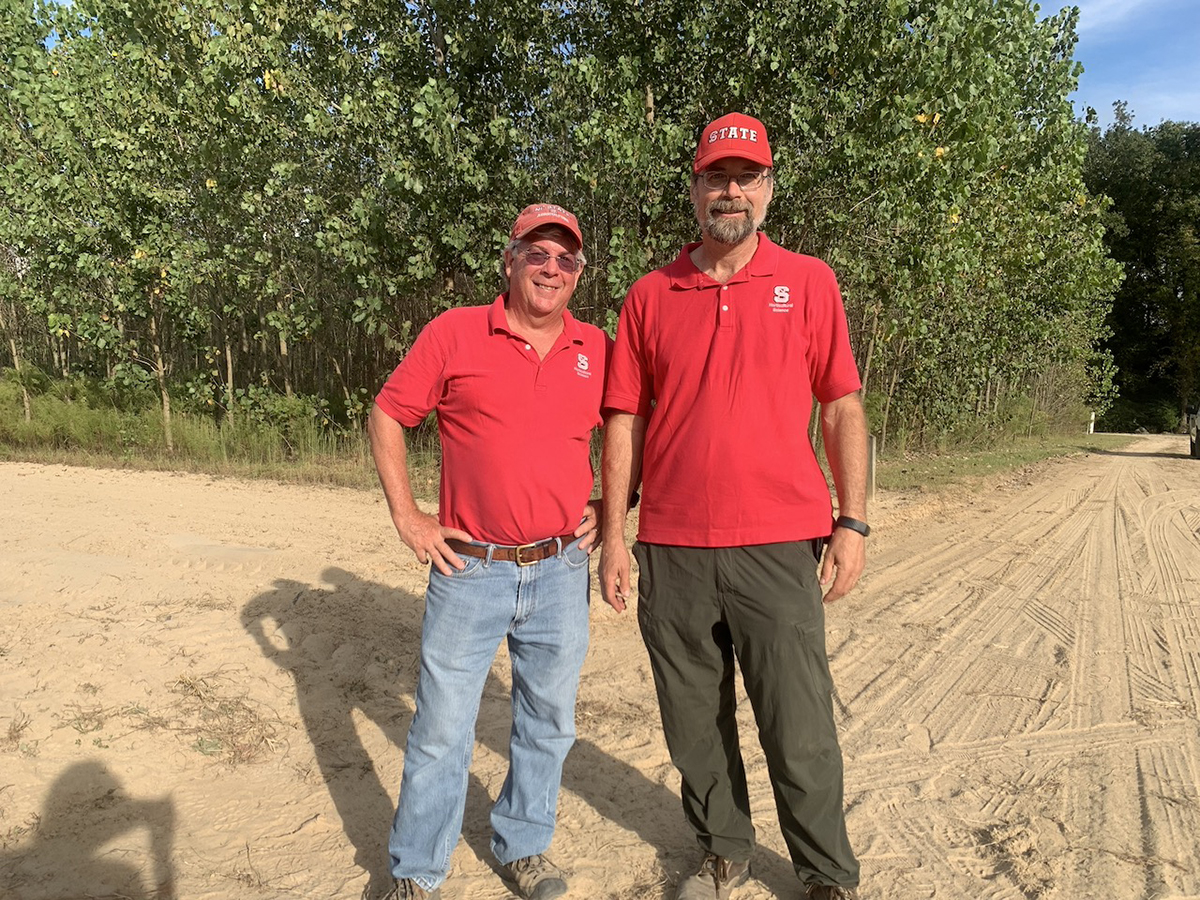
Craig Yencho may have helped develop the most popular sweetpotato in the U.S., but he's not content to rest on his laurels.
Yencho, a William Neal Reynolds Distinguished Professor of Horticultural Science at North Carolina State University, worked with Kenneth Pecota, senior research scholar at the university, to launch the Covington sweetpotato in 2005. It quickly replaced the Beauregard in the No. 1 selling spot and has accrued a farmgate value of more than $5 billion over its 20-year lifespan, he says.
“As a plant breeder, I would never have guessed that we would have achieved that number,” Yencho says.
More recently, Yencho and Pecota have set their sights on the purple category.
The Stokes Purple variety is a popular purple sweetpotato offering, but it has its shortcomings: It's a poor yielder, and it's susceptible to many sweetpotato diseases, Yencho says.
Yencho and his team created a couple of alternatives: Purple Majesty and Purple Splendor.
They were released two years ago and “have really taken off,” he says.
“They are a substantial step up from Stokes Purple in terms of yields, earliness, shape, quality, packout and disease resistance,” Yencho says. “It's going to be very interesting to see where these two go.”
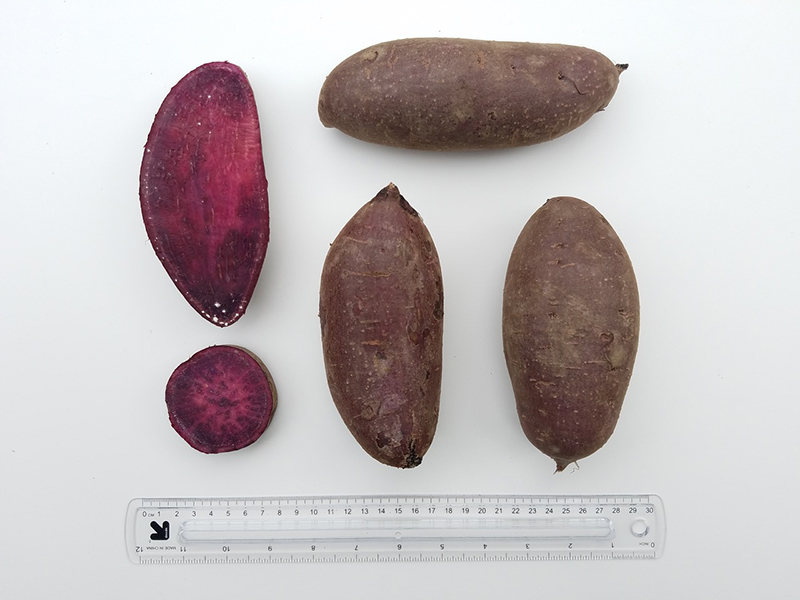
The new varieties also have unique eating qualities. They're not the orange, moist, really sweet sweetpotatoes that U.S. consumers are accustomed to, but they're packed with anthocyanin antioxidants thought to have many beneficial health-promoting properties, he says.
“They have a nutty, drier texture and are less sweet than the Covington,” Yencho says. “And they can be used in other dishes, like purees and mashes.”
The university plans to roll out even more purple sweetpotatoes within the next two years.
Per the university's policy, the varieties were accessible only to North Carolina growers for the first two years, but they're now available to growers in other states or even internationally as well.
Another variety Yencho is working on is an early-generation Covington-like sweetpotato that has resistance to guava root-knot nematode and southern root-knot nematode, both serious threats to sweetpotato crops.
“That's been a huge part of our work, and we have made some good progress,” he says.
The new variety may not store as well as the current Covington, but Yencho says it's been sent to farms for further testing.
All the university's varieties are patented or patent pending, and producers must pay a royalty to grow them.
“Royalties help us do more,” Yencho says. “They're fed back into the university and fund breeding programs across the spectrum, including the sweetpotato breeding program that I lead.”
Funding also comes from state and federal sources.
Yencho must appeal to a wide audience when working on a new variety.
Growers want something that produces good yields, resists disease and stores well; processors seek a good packout, good fry quality and the right sugar profile; consumers look for something with good sugar balance and a wow factor when it comes to flavors and colors; and retailers want a sweetpotato that lasts on the shelf.
“We try to balance needs and evaluate traits in the real world as best we can,” he says. “It's very challenging, but also very fun and very interesting.”
Varietal development has been a lengthy process — it took 15 years to perfect the two purple varieties — but Yencho is confident that the timeframe will be closer to six to eight years or less in the near future.
Breeders' ability to conduct a more analytical-based breeding program using techniques such as genomic and marker-assisted breeding tools, optical sensing and optical imaging should help reduce the timeline, he says.
“We work a lot with molecular geneticists, computer engineers and optical engineers, and we are also using machine learning and AI to help bring the timeline down,” Yencho says.
He says he remains excited about the future of sweetpotato breeding and is “looking forward to bringing interesting new varieties to the marketplace in collaboration with growers.”


.png)