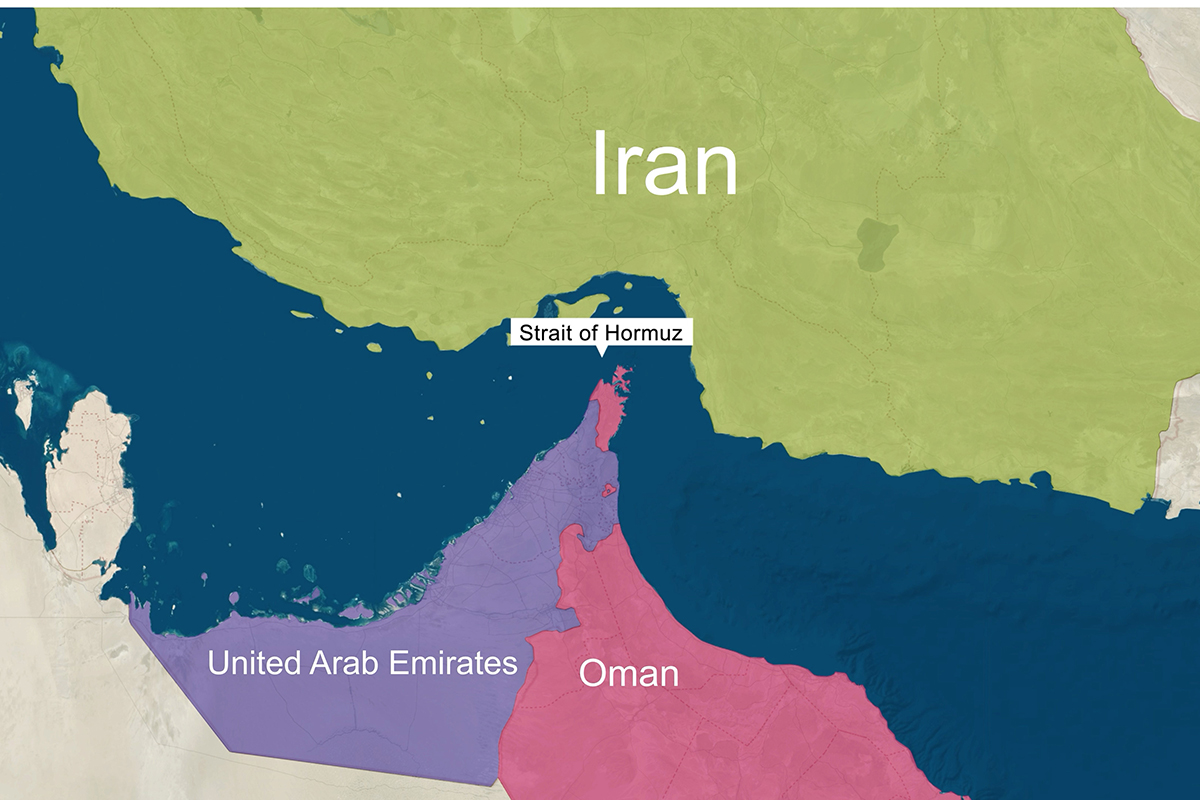
As the conflict in Iran enters its fifth week, the effective closure of the Strait of Hormuz has evolved from a regional skirmish into a direct assault on the American grocery cart. While headline news remains focused on military maneuvers, a triple threat of surging input costs is quietly dismantling the profit margins of U.S. specialty crop farmers.
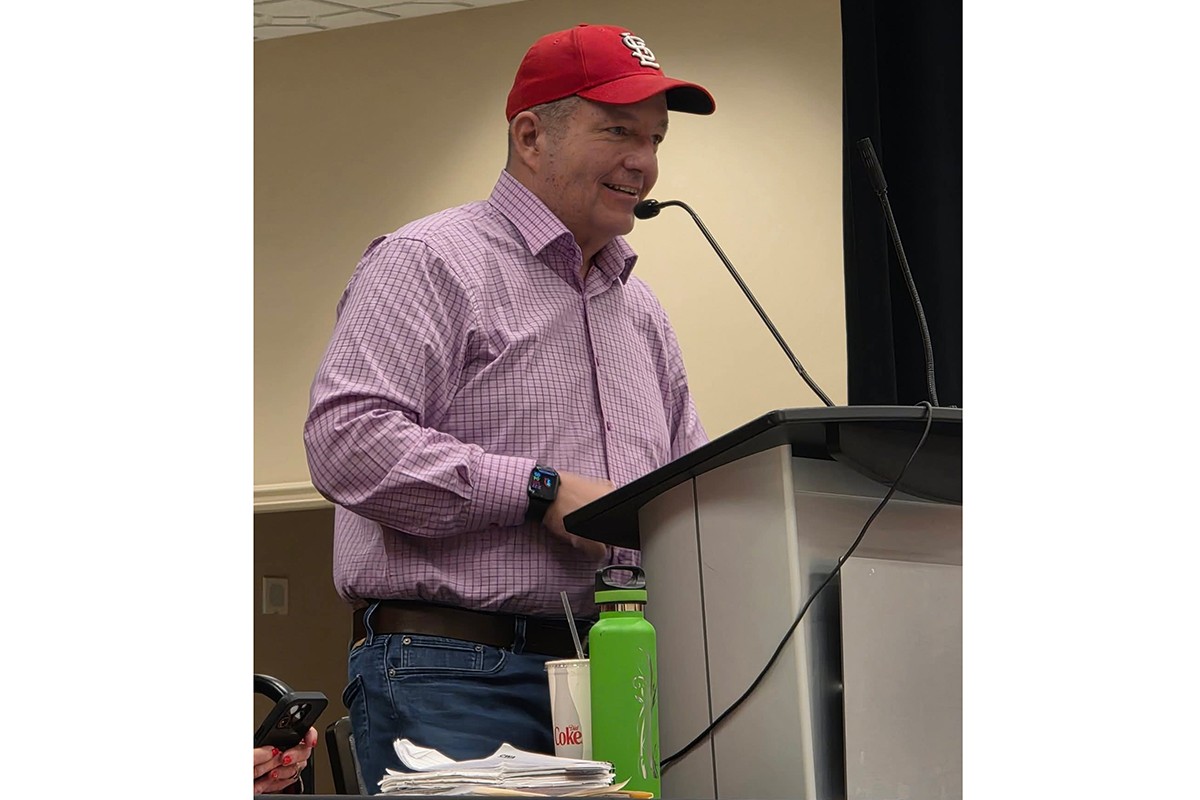
From the nitrogen-rich fertilizers of the Persian Gulf to the diesel-powered cold chains that move fresh fruit across the country, the fallout of the war is hitting the produce aisle harder and faster than any other sector of the economy, according to Will Westmoreland, founder of The Back Forty and a specialty crop producer in southwest Missouri.
Westmoreland has become a dynamic voice for rural America; his nearly 300,000 followers on TikTok tune in for his “boots-on-the-ground” breakdowns of complex geopolitics. In his viral “Food Inflation Reality for 2026” video series, he warns that official 3% inflation forecasts are already “behind the reality on the ground,” with some produce items potentially seeing price hikes as high as 12% to 13% by the end of the year.
“It's the perfect storm,” Westmoreland says. “Produce growers in [the] U.S. have felt these effects the worst right out of the gate.”
He identifies this crisis as a layering effect of three distinct burdens.
1. The Nitrogen Blockade
The first layer of the threat is the immediate spike in input costs. The Persian Gulf is a global hub for nitrogen-based fertilizers, specifically urea and ammonia. With the Strait of Hormuz restricted, shipments to the U.S. have slowed while prices have soared.
“A lot of people limit fertilizer in their minds to row cropping — soybeans, corn, wheat,” Westmoreland explains. “But we use it in every type of plant growth. Right now, input costs for specialty crops are up nearly 41%. Farmers are having to choose between absorbing that debt or seeing significantly lower yields.”
2. The Diesel and Cold Chain Crisis
The second layer is the sheer cost of movement. Unlike shelf-stable grains, specialty crops rely on a cold chain — a fuel-intensive, refrigerated logistics network required to get produce from warm-weather zones like California and Florida to the rest of the country.
Westmoreland points to a staggering 47% increase in diesel fuel prices as a primary driver of inflation.
“There is a huge transportation cost to get crops to places like Missouri and Iowa,” he says. “When diesel spikes, that cost is passed directly along to the consumer. You layer that on top of the fertilizer increase, and the math just stops working for the family farm.”
3. The Petrochemical Packaging Tax
Perhaps the least understood threat is the “plastic tax.” Most fresh produce, from berry clamshells to bagged salads, relies on plastic packaging made from petrochemicals. Additionally, specialty orchards rely on plastic irrigation tubing.
“Plastics are made from petrochemicals. When oil rises 40%, the plastic resin used in packaging goes up with it,” Westmoreland says. He cites the “10-dollar rule,” where every $10 increase in the price of oil measurably raises packaging costs.
While some suggest switching to paper or cardboard, Westmoreland warns of a biochemical reaction that increases rot rates.
“If you switch to paper, the rot rate from California to Missouri might jump to 60% or 70%,” he says. “The industry is stuck: Do you keep the plastic and raise the price or switch to paper and lose half the crop?”
The Road Ahead: When Will Consumers Feel It?
Westmoreland warns that while shoppers are seeing 6% to 7% increases now, the maximum squeeze is likely to hit late 2026 or early 2027.
“Even if the war in Iran ended tomorrow, it would take six to nine months for the energy supply chain to get back to normal,” he notes.
Through his platform, Westmoreland is working to bridge the gap between these complex geopolitics and “rural common sense.” His goal is twofold: education and self-sufficiency.
“I'm shocked at how people don't put together the impact of what's driving all this,” he says.
Beyond explaining broken policies, he is now producing content to help Americans weather the storm, focusing on backyard gardening and establishing direct farm-to-table relationships.
The final outcome? “I'm not a ‘sky-is-falling' guy,” Westmoreland says. “I think we'll have food, but when you layer an 8% to 12% increase in food costs on top of high utility bills and fuel, it's a recipe for financial disaster for the typical family.”