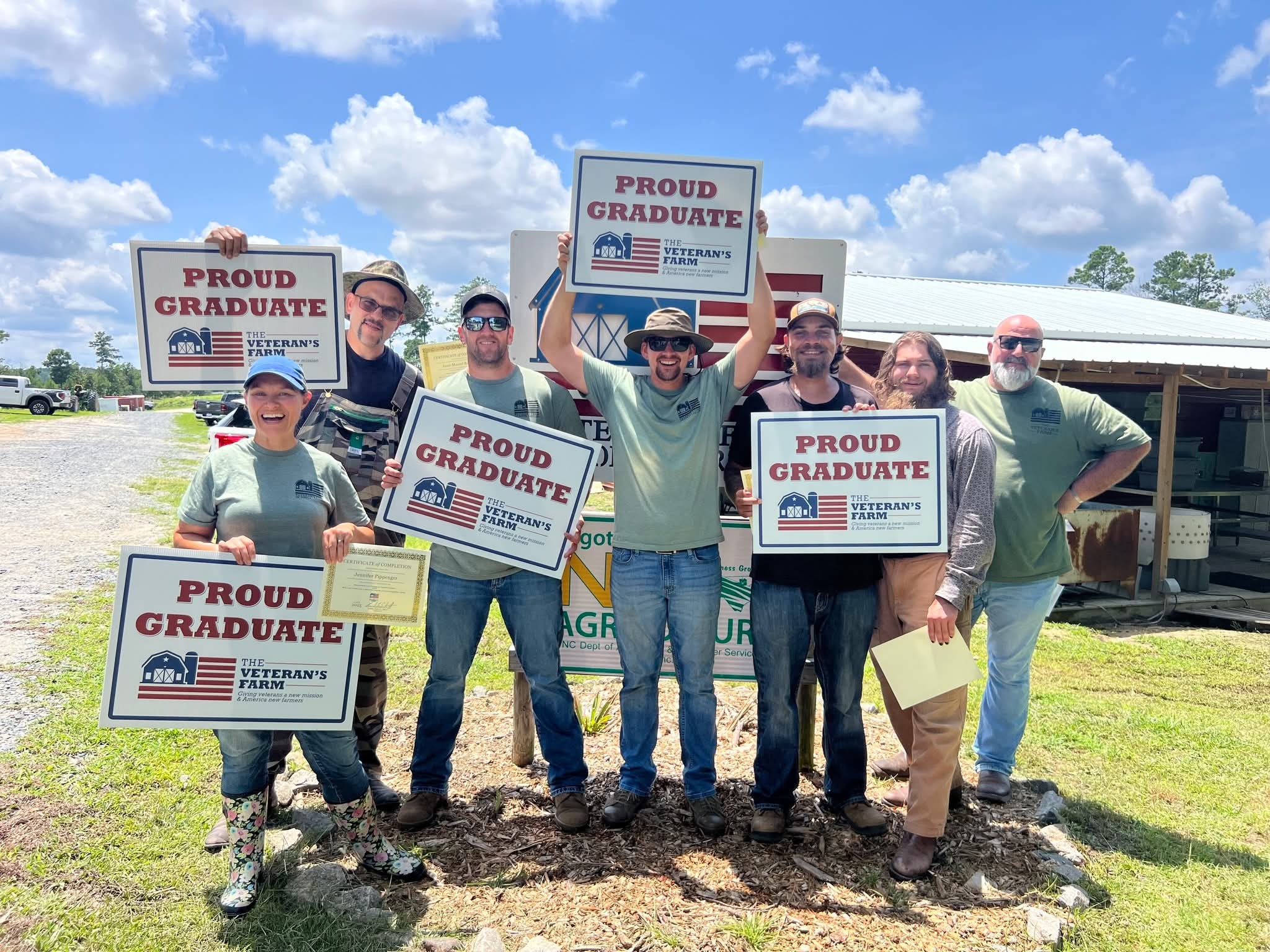
Midmorning on a 53-acre farm just outside the gates of Fort Bragg, N.C., a small group of veterans moves between greenhouses, specialty crops and animal pens, pausing to check water lines in the greenhouse before heading toward the livestock.
For many of them, this is unfamiliar work. A year ago, some had never set foot on a farm. What does feel familiar is something less visible to these veterans: the sense of being a unit, the understanding that the person beside you matters and the expectation that everyone has a role.
At Veteran's Farm of North Carolina, that feeling is not accidental. It is built into the day-to-day work, shaped by Robert Elliott, a former Marine who understands what happens when that sense of belonging disappears.
Elliott grew up with farming in his blood. His family's land in North Carolina traced back generations to a time when land grants defined ownership and identity. Over the years, that land diminished, reduced piece by piece until little remained. After his mother died, the final ties to that property slipped away. What had once been a defining part of his life was gone.
Elliott left for the Marine Corps, building a life far removed from the fields of his childhood. He spent 15 years in military service, both active duty and as a contractor, immersed in a world where structure, purpose and dependence on others were constant. When that ended, the transition back to civilian life was abrupt and disorienting.
“Nobody prepares us, really, at the level it needs to be done for transition back into the civilian world,” Elliott says.
That transition from military service to civilian life can be one of the most vulnerable periods for veterans, Elliott says, with its marked sudden loss of structure, identity and close-knit support systems. Research shows that this adjustment period often brings heightened risk for mental health challenges, including depression and isolation.
According to the U.S. Department of Veterans Affairs, 6,398 veterans died by suicide in 2023 — an average of about 17.5 per day — and suicide rates remain significantly elevated compared to the general population. Studies also indicate that the risk is especially high in the first year after leaving the military, when many veterans are navigating major life changes without the built-in community they once relied on.
Elliott describes this transition in stark terms. He compares it to being shipwrecked on a deserted island, saying that a group of people survives together in an intense environment, relying on each other for everything. Then, without warning, they are placed back into a world that no longer feels familiar. The support system disappears overnight. The expectations shift. The sense of purpose becomes unclear.
“You wind up crashing on an island … and your survival depends on the people that are there with you … then one day you get picked up and dropped back into the civilian world … and you've lost that entire network overnight,” he says.
Joining the Journey
Back home, he struggled to find his footing until an unexpected moment with a chicken changed everything.
It belonged to his girlfriend at the time, one of several in the yard, he says, but this one refused to leave him alone. One day, it hopped into his lap and stayed there. It was a simple act, but it broke through the fog he had been living in.
“This chicken just hopped in my lap one day … and it was basically like God Almighty telling me: You need to get back to the farm and find a purpose.”
He started small. As he rebuilt his connection to the land, he also began talking about his experience. At a roundtable event in North Carolina focused on agriculture, he shared his story publicly for the first time. He used an analogy that resonated with civilians and veterans alike, describing the disorientation of leaving a tightly bonded group and trying to function alone.
The response was immediate, and people asked for copies of his remarks. Invitations to speak followed, taking him across the country and into conversations with agricultural leaders and policymakers. Media outlets picked up his story, drawn to the idea that farming had helped pull a veteran out of a dangerous place.
More importantly, other veterans began reaching out.
“In the beginning, it was just, ‘Come on over. I'll show you what I'm doing,' … and all of a sudden that turned into this little network of veterans,” he says.
They wanted to know how to do what he was doing. They were searching for a way to rebuild their own sense of purpose. At first, Elliott simply invited them over. He shared with them what he was learning and helped them think through their own next steps. A network formed, made up of veterans trying to find stability through agriculture.
That momentum eventually led to the creation of Veteran's Farm of North Carolina.
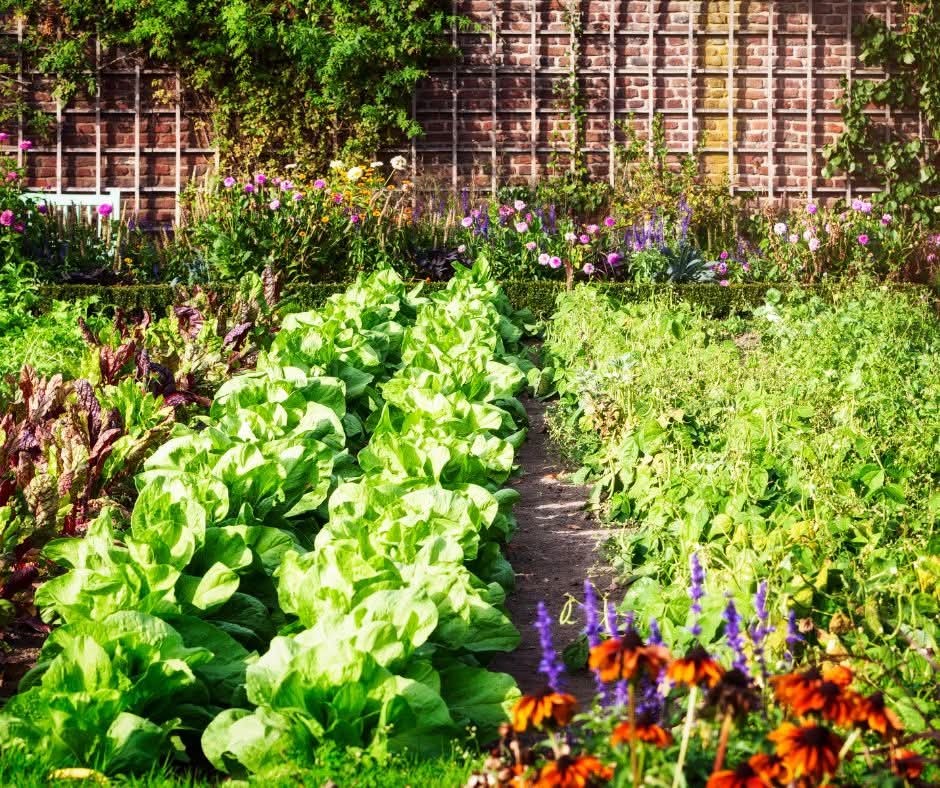
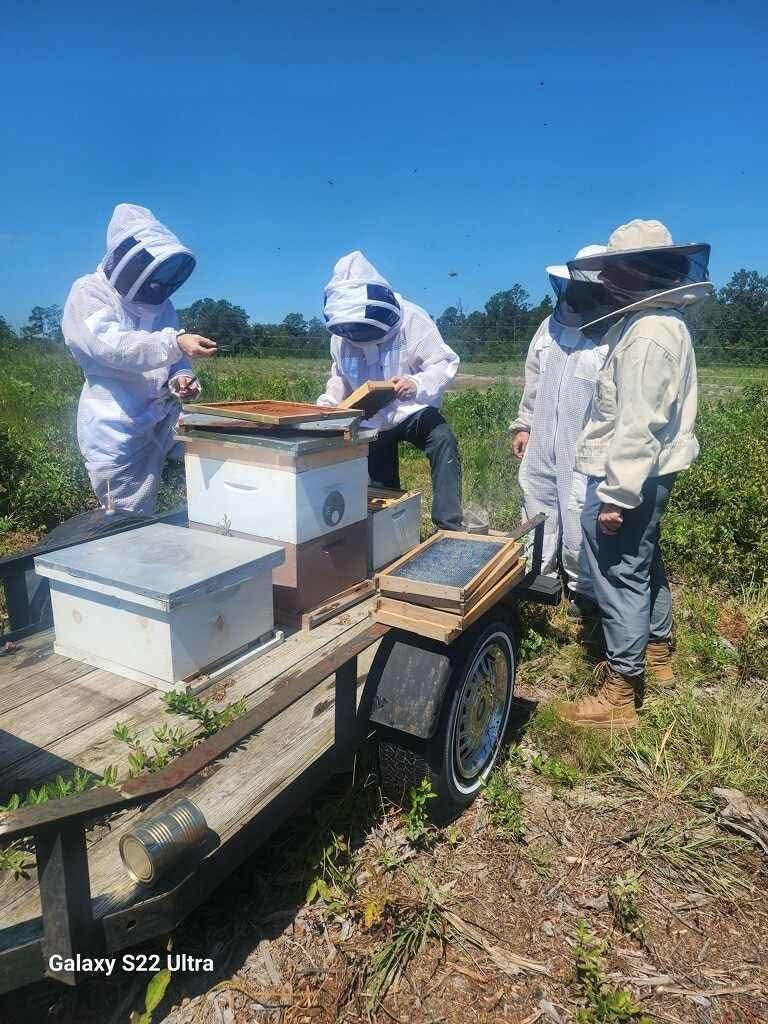
The farm sits on 53 acres and operates as a working, small-scale agricultural system. It includes beef cattle, sheep and pigs, along with poultry production. Greenhouses support hydroponic lettuce and basil, while other areas are dedicated to mushrooms, ornamental plants, fruit trees and vegetable gardens. The diversity is intentional. It allows participants to experience a wide range of agricultural practices and decide what might fit their own goals.
Each year, about 70 veterans and active-duty service members come through the program. Some arrive with a clear interest in farming. Others are simply looking for direction.
Not all of them stay in agriculture. Elliott estimates that around 30% go on to start or contribute to farming operations. The rest take what they have learned and apply it elsewhere. That outcome is by design, as the program emphasizes the realities of farming, ensuring participants understand both the opportunities and the challenges before making major financial or life commitments.
The structure of the farm reflects a familiar system for many of its participants, Elliott says. New students enter the program while those further along take on leadership roles, helping guide and train the newcomers. It mirrors the hierarchy and mentorship found in military units, creating a sense of continuity that many veterans find reassuring.
A Safety Net After Service
The impact of the farm goes beyond skills training. Elliott says he has lost six fellow Marines to suicide since leaving the military. Those losses have shaped how the program operates. He has developed a model of suicide prevention that is integrated into the training, focusing on rebuilding connection, purpose and routine. A licensed family therapist visits regularly, working with participants on stress management and coping strategies.
The farm becomes a place where people can decompress while still being part of a team.
“It's a safety net … a new unit for them to check into,” he says.
Elliott often refers to it as a new unit, and the language is deliberate. Veterans understand units. They understand what it means to rely on others and to be relied upon. At the farm, they find a version of that structure without the pressures of military service.
The results are deeply personal, he says. Over the years, 13 veterans have told Elliott that the program played a direct role in saving their lives.
“We have had 13 veterans who have told us … ‘If it weren't for where I'm at right here, right now, I wouldn't be here,'” he says.
The work continues to evolve. The organization relies on a mix of farm revenue, grants and community support. Produce and products are sold through local partners and markets, with some items donated to food banks. As funding sources shift, the farm is exploring tuition models and expanding access through programs that support veterans' education and training.
For many participants, it is the first time since leaving the military that they feel grounded.
Elliott did not set out to build a national model or a widely recognized program. He was trying to find his own way back to stability. What grew from that effort is something larger, shaped by shared experiences and a common need for connection.
The land provides the setting. The work provides the structure. The people provide the meaning.
And in that combination, something takes root that goes far beyond farming.