Editor's note: This story is part of an ongoing Sowing Change series about urban farming.
Fork Farms is redefining what it means to be a food access technology company. While traditional agriculture relies on long, complex supply chains stretching from places like Yuma, Ariz., to California's Salinas Valley, Fork Farms focuses on a decentralized model of growing fresh food exactly where people live, work and learn.
By providing highly efficient, plug-and-play hydroponic systems, the company is solving the common challenge of fresh food scarcity across diverse sectors, including hospitals, food pantries and large-scale commercial environments, such as Fortune 500 company Rockwell Automation.
“No matter what the application is, we're always trying to build systems and programs and products just to allow people to grow fresh food, whether it's where they live or work or it's a community center,” says Josh Mahlik, vice president of sales for Fork Farms.
The reach of this Wisconsin-based company now extends to approximately 5,000 partners across U.S. and internationally. In the Caribbean, for example, their technology is used to build food resiliency in the Cayman Islands and Barbados, providing a local alternative to vulnerable international supply chains. Whether in a hospital wing or a community center, the goal remains consistent: to create a positive perception of fresh food and ensure that it is economically viable to produce, with most growers operating at a cost of less than $1 per pound.
The Milwaukee Public Schools Partnership
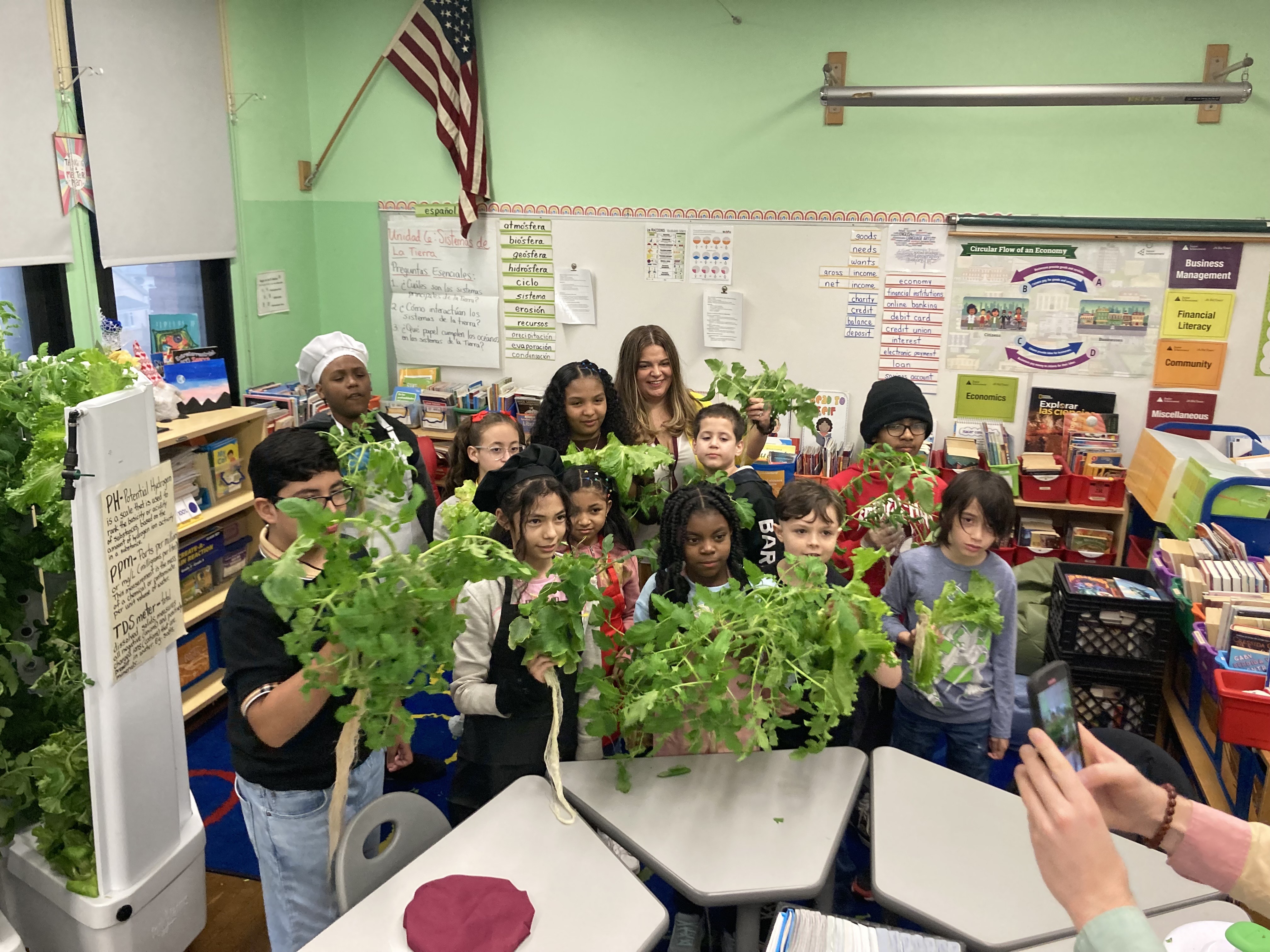
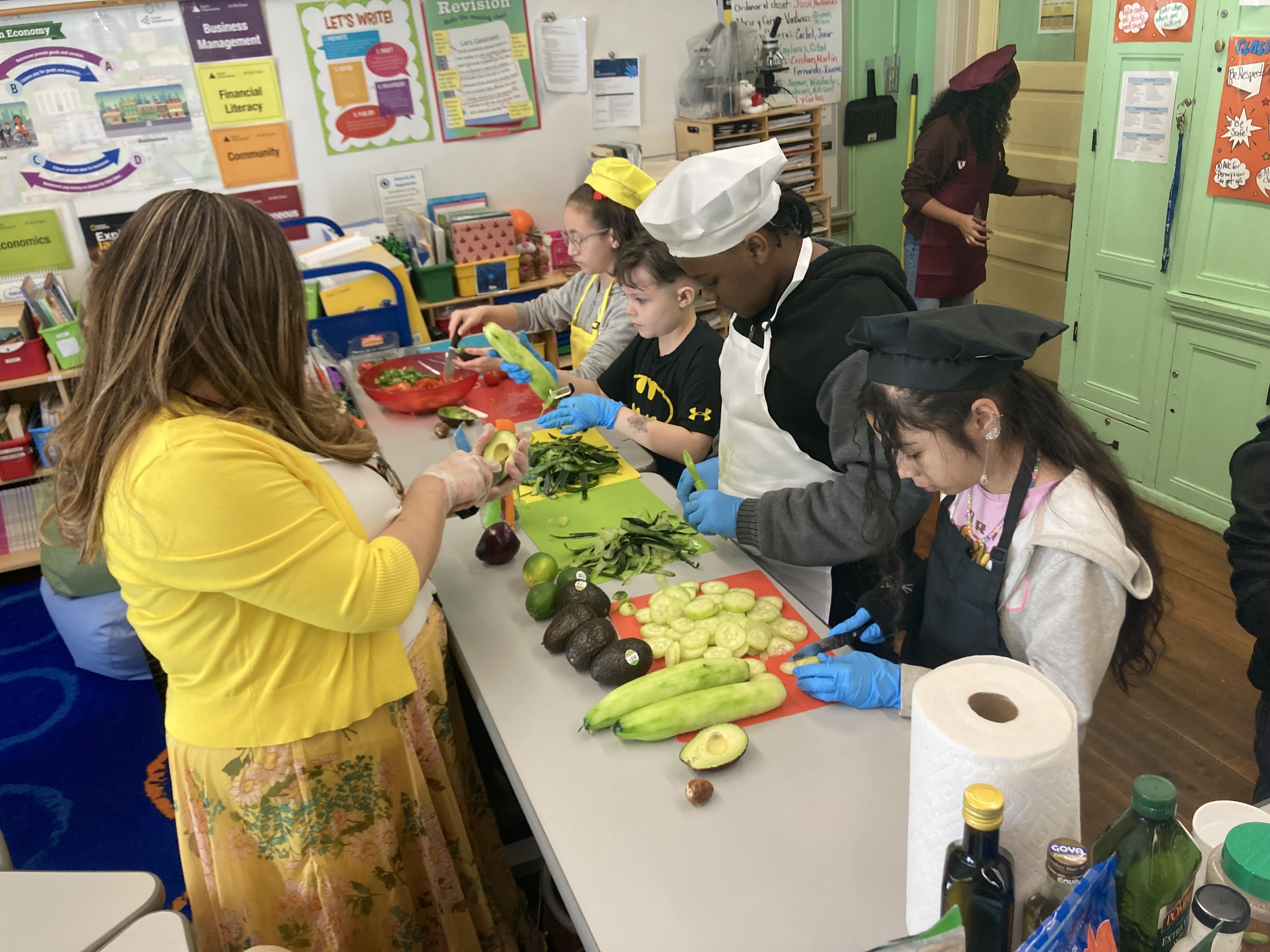
While Fork Farms spans multiple industries, its eight-year partnership with Milwaukee Public Schools serves as an example of how this technology can be integrated into the fabric of a community. What began as a science experiment has evolved into a legitimate, districtwide food supply chain that provides students with significant agency over what they grow.
The engine behind this success is the Flex Farm, a unit roughly the size of a standard refrigerator that uses a patented utility design. By placing a light tower in the center and closing the hydroponic unit around it, the system achieves remarkable density:
- High yield — Each system features 288 grow spots, producing approximately 25 pounds of fresh produce every month.
- Efficiency — The design makes local food practical at scale within existing buildings and real estate.
- Ancillary benefits — Beyond nutrition, these units improve the learning environment by lowering carbon dioxide levels in classrooms by about 200 parts per million, which can lead to better student attention and behavior.
The impact in Milwaukee extends far beyond the cafeteria. At Vincent High School, a grow room with 12 units fosters an entrepreneurial spirit, with students sprouting and selling tomato seedlings at annual plant sales. The program also uses a formative platform offering 44 NGS-aligned curriculum items and a micro-credentialing badging program to prepare students for the future workforce.
Perhaps most importantly, the program creates a bridge to the home. Mahlik notes that when students take home the kale or marigolds they have grown, it has a resonance that traditional grocery store produce lacks. This intergenerational impact often shifts household habits, as parents report being more likely to purchase fresh vegetables after seeing their children's excitement and pride in their harvest, according to the company.
As the partnership enters its eighth year, what was once a novelty has become the norm, with some graduates even moving on to pursue agricultural degrees through land-grant scholarships.
“My dream for [the schools] is that every student, at least, gets the opportunity to grow their own food at some point while they're in school,” Mahlik says.
Your Next Read:




.png)