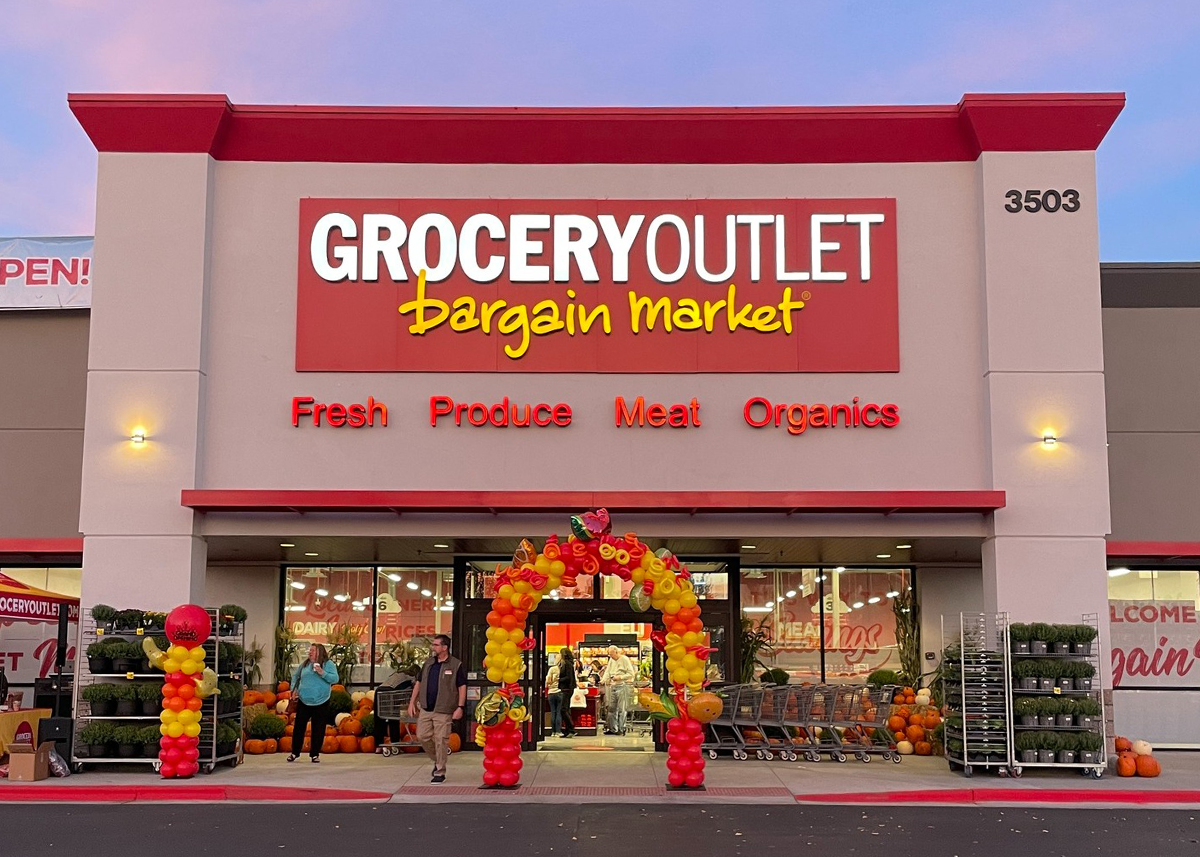
Grocery Outlet Holding Corp. says it is pivoting to a sweeping business-optimization plan that includes shuttering dozens of underperforming locations as the discount retailer grapples with a significant fourth-quarter net loss and shifting consumer behavior.
For the fourth quarter of fiscal 2025, the company reported a net loss of $218.2 million, or $2.22 per diluted share. This stands in stark contrast to the $2.3 million profit reported during the same period last year. The decline was driven primarily by $259.2 million in noncash impairment charges related to goodwill and long-lived assets, according to the company.
Strategic Shift and Store Closures
In response to the disappointing results, Grocery Outlet’s board of directors approved an optimization plan March 2 that outlines the closure of 36 underperforming stores and the termination of a distribution center lease. These closures are expected to be completed throughout fiscal 2026 as the company seeks to improve its returns on capital and strengthen its long-term cash flow.
“We made progress on our strategic priorities in 2025; however, our fourth-quarter results made clear that we have more work to do, and we’re moving quickly,” says Jason Potter, president and CEO of Grocery Outlet. “Consumer pressure intensified, federally funded benefits were delayed and competition grew more promotional in the fourth quarter. In response, we have begun to sharpen our focus on what matters most: delivering clearer value and a better in-store experience.
“We’re intensely focused on restoring the opportunistic mix to rebuild value perception with the customer and advancing our store refresh program, and we’re already seeing early, measurable improvements,” Potter adds. “At the same time, we’re closing underperforming stores, reshaping our new store growth strategy and reallocating resources to strengthen operating results and returns on capital. We are confident that we have identified the core challenges and now have the right plans in place and the right team to execute them.”
Despite the net loss, the company says it saw a 10.7% increase in net sales for the quarter, reaching $1.22 billion. However, much of that growth was attributed to an extra week in the fiscal calendar (the 53rd week), which contributed $82.4 million. On a 13-week basis, comparable store sales actually dipped by 0.8%.
The company noted that its core customer base was hit hard by delays in federally funded assistance programs, such as the Supplemental Nutrition Assistance Program, or SNAP, which weighed on transaction sizes during the quarter.
For the full fiscal year 2025:
- Net sales — Rose 7.3% to $4.69 billion.
- Net loss — $224.9 million, compared to a net income of $39.5 million in 2024.
- Adjusted EBITDA — Increased 7.4% to $254.3 million.
To regain momentum, Potter says the company is “intensely focused on restoring the opportunistic mix” of products — the high-discount, brand-name “treasure-hunt” items that define the Grocery Outlet brand. The company is also moving forward with a store refresh program to improve the in-store experience.
2026 Outlook
Grocery Outlet issued conservative guidance for fiscal 2026. The company expects net sales between $4.6 billion and $4.72 billion, with comparable store sales ranging from minus 2% to flat.
Despite the planned closures, the company says it still intends to open 30 to 33 new stores in 2026, signaling a shift toward a more disciplined growth strategy that prioritizes high-performing locations over sheer volume.
The restructuring is expected to incur between $14 million and $25 million in additional costs throughout the coming year, but management remains confident that these rightsizing measures will stabilize the business and restore profitability, the company says.