A growing number of independent grocers are finding new ways to fight food waste — and turn it into profit — through digital innovation and smarter markdowns, according to a webinar, “From Waste to Revenue: Smarter Strategies for Grocery Profitability,” hosted by IGA and Flashfood on Oct. 14.
During the session, Sarah Rivers, senior director of connected commerce for IGA, and Abby Ayers, director of independent grocery sales for Flashfood, shared insights into how retailers can reduce shrink while driving customer loyalty.
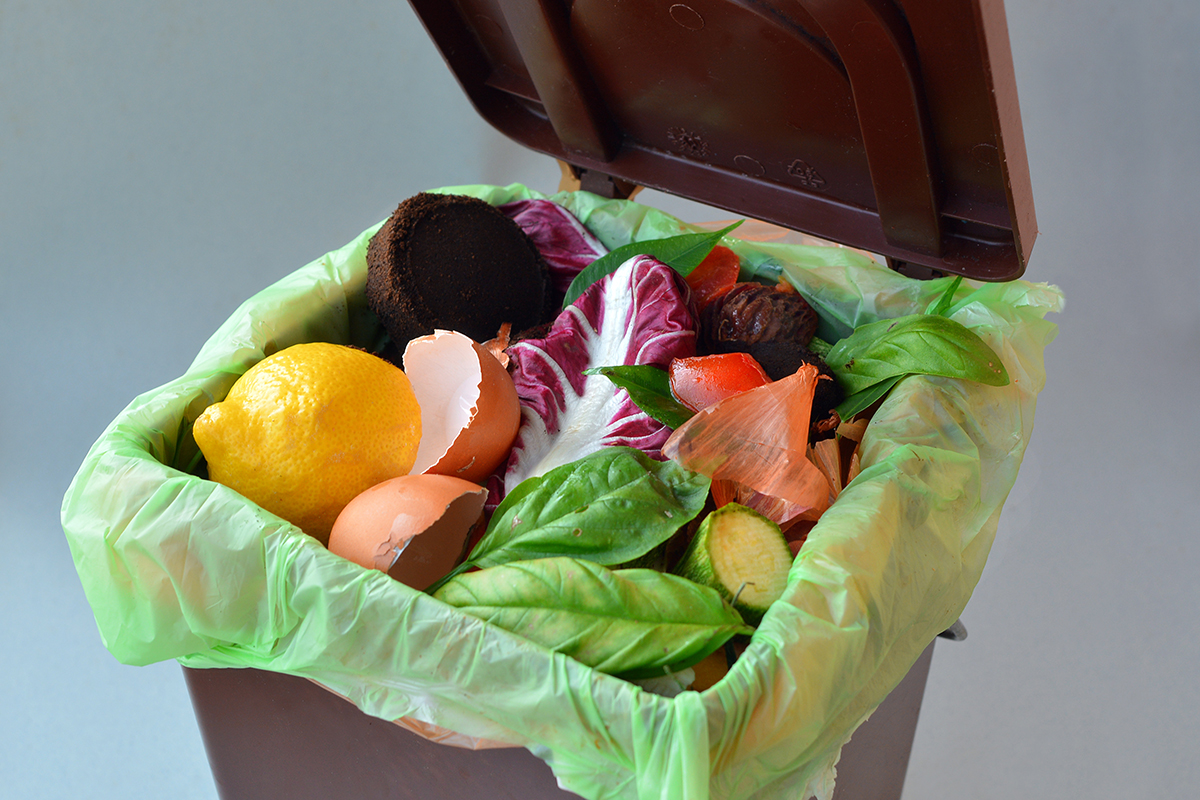
“[There is] $428 billion a year in food waste in the U.S. That just blew me away,” Rivers says.
Much of this waste stems from perfectly good products that simply don’t sell in time, Ayers says.
“For independent grocers, shrink can mean losing over $40,000 annually,” she says. “That’s literally money being thrown away — and that’s before you count the labor and energy tied up in those unsold products.”
While markdowns are a common tactic to move perishable goods, Ayers argues they’re often a reactive approach that only delays waste. Instead, she urges grocers to think digitally by expanding their audience beyond store aisles through apps, text alerts and social media.
One of the most effective areas for recovery, Ayers says, is produce and other perishable “basket drivers.” Flashfood’s data shows that shoppers will drive up to 15 minutes to score deals on fresh items like fruits, vegetables, seafood and meat.
“People seek out deals on produce,” Ayers says. “They’re saving money, reducing waste and discovering new stores in the process.”
Through the Flashfood app, stores can post discounted, short-dated items to more than 1.5 million users actively searching for deals. These customers, Ayers says, don’t just buy the discounted produce — they spend an average of $28 more on additional items per visit and check back with stores up to four times more often each month.
“Markdowns already exist,” Ayers says. “The question is: How wide is your audience? If you extend those offers digitally, you’re no longer relying on luck or foot traffic — you’re turning markdowns into marketing fuel.”
Produce, along with bakery and meat, ranks among the top contributors to grocery waste. But it’s also one of the easiest wins, Ayers says, because shoppers are highly responsive to visible freshness and value. She also encourages grocers to act sooner, marking down short-dated items two to three days before expiration rather than in the final hours and to use dynamic pricing that adjusts discounts by category and shelf life.
Ultimately, Ayers says, combating food waste can be a margin recovery opportunity rather than a cost.
“Profitability and waste reduction don’t have to be at odds,” she says. “When stores focus on fresh categories like produce and build smart processes around them, they’re not just cutting losses, they’re creating a sustainable, repeatable model.”





.png)