
Packer 25 honorees for 2026 were selected because of their ability to push the industry forward with innovative ideas and fresh approaches. But where did those breakthrough ideas come from? And how did these leaders persuade others to embrace new ways of thinking?
Here's what they say.

“The best innovations rarely come from a single source,” says Gordon Robertson, general manager, North America for Fresh Inset Solutions. “They come from listening closely across the supply chain, identifying recurring challenges and then looking at how technology can solve those challenges in a practical, scalable way and profitable way.”
Customers themselves play a significant role in providing direction for Fresh Inset Solutions.
“Growers and packers tell us where existing treatment processes are too slow, difficult to integrate or difficult to verify, while retailers and foodservice providers help us understand where shrink, shelf life and quality are creating the greatest commercial challenges,” he says.
Sometimes ideas come from outside the produce industry.
“Pharmaceuticals and consumer packaged goods, for example, have extensive experience with functional and active packaging,” Robertson says.

New ideas can come from just about anywhere, says Tony Mitchell, executive vice president of strategic partnerships for FreshEdge Prepared Solutions.
“We are customer-centric at FreshEdge, so we like to listen to what our customers are wanting and needing to drive their business,” he says.
The company supports and attends most industry events to gain knowledge and a better understanding of industry innovation, Mitchell says.
“We are blessed with wonderful associates throughout our 18 operating companies that provide us with information that helps drive innovation,” he adds.

The need for change at J.C. Watson Packing Co. often originates from stakeholders, says Blake Branen, director of sales and marketing. Branen emphasizes that the fact that a process may be old isn't in itself a cause for change.
“If a company has successfully operated for generations, I want to understand why a process exists before deciding it should be changed,” he says. “Then I ask stakeholders whether better information, connected systems, automation or a different workflow could make that process better.”
That balance is an important factor, he says.
“Respect the institutional knowledge that already exists, but never allow ‘this is how we have always done it' to become the reason we stop improving,” Branen says.
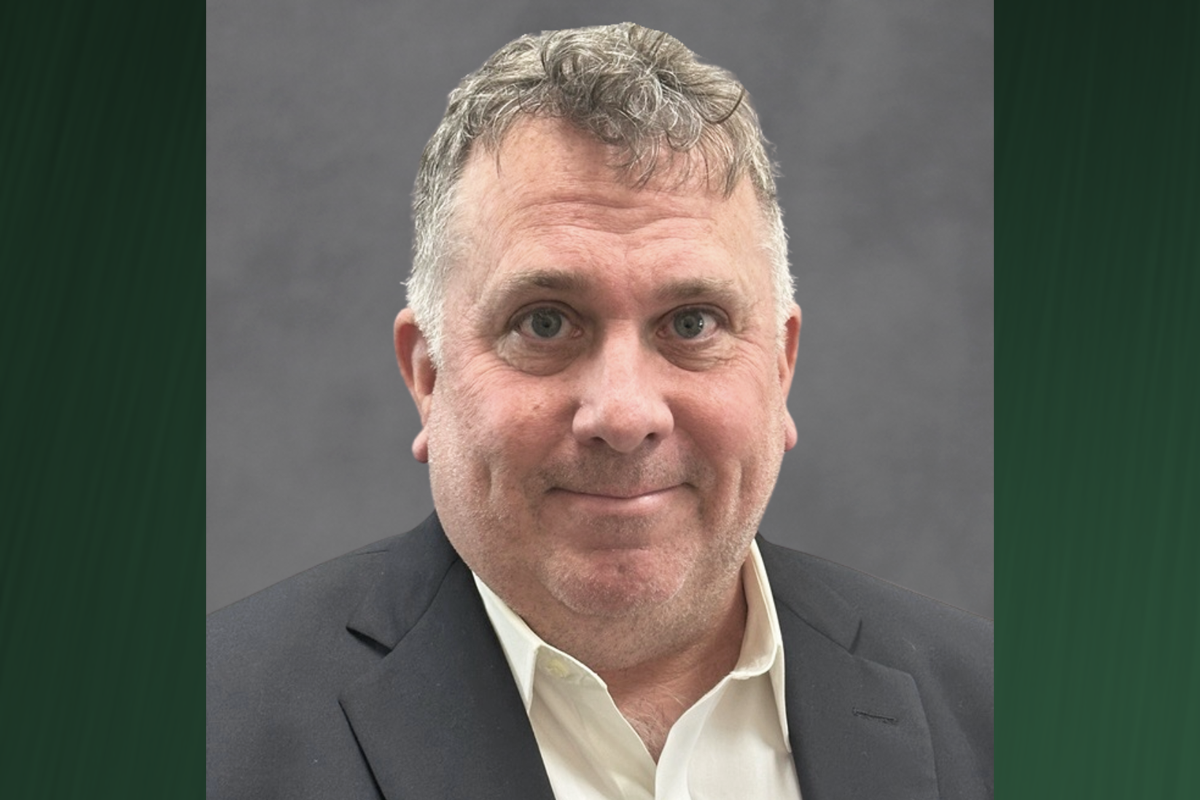
Research, monitoring worldwide trends and sharing with colleagues in the industry can inspire positive change at JOH, says Erik Brown, vice president, business development, produce division.
“There's so much technology and innovations happening out there, it's important to make sure those are shared accordingly,” he adds.
Making Believers Out of Skeptics
Once leaders are convinced they've found a better way to do something, they use a variety of techniques to persuade others to get on board.
Successful implementation requires trust, Robertson says.
“When people have spent years, or even decades, refining a process that works, it's reasonable for them to question whether a new technology will actually improve it,” he says. “The goal should be … to demonstrate how innovation can make an established process more reliable, efficient and profitable.”
For example, 1-MCP treatment in cold storage has relied on operators following an established process without a simple way to confirm in real time that the treatment has occurred, he says. Introducing Fresh Inset's MaTri SURE as a new verification tool illustrated its value rather than just explaining the technology.
“When an operator can see the indicator change from pink to yellow and receive immediate confirmation that the treatment has occurred, the benefit becomes tangible, and costs are stripped out of the system,” Robertson says.
Branen says people are more willing to accept change when they understand why it's happening.
“I also believe strongly in respecting the knowledge of the person being asked to change,” he says.
“If I walk into an established process believing everybody before me was wrong, I have probably already failed,” Branen says. “I would rather understand why something is being done, listen to the people who actually do the work, explain what has changed and then figure out together how we can improve it.”
That doesn't mean avoiding difficult change.
“It means leading people through the change instead of simply handing it to them,” he says.
Mitchell says the key to gaining acceptance of a new way of doing things is by “being a good salesman” and making the change the team members' idea.
Doing that, he says, “will pay dividends long term.”