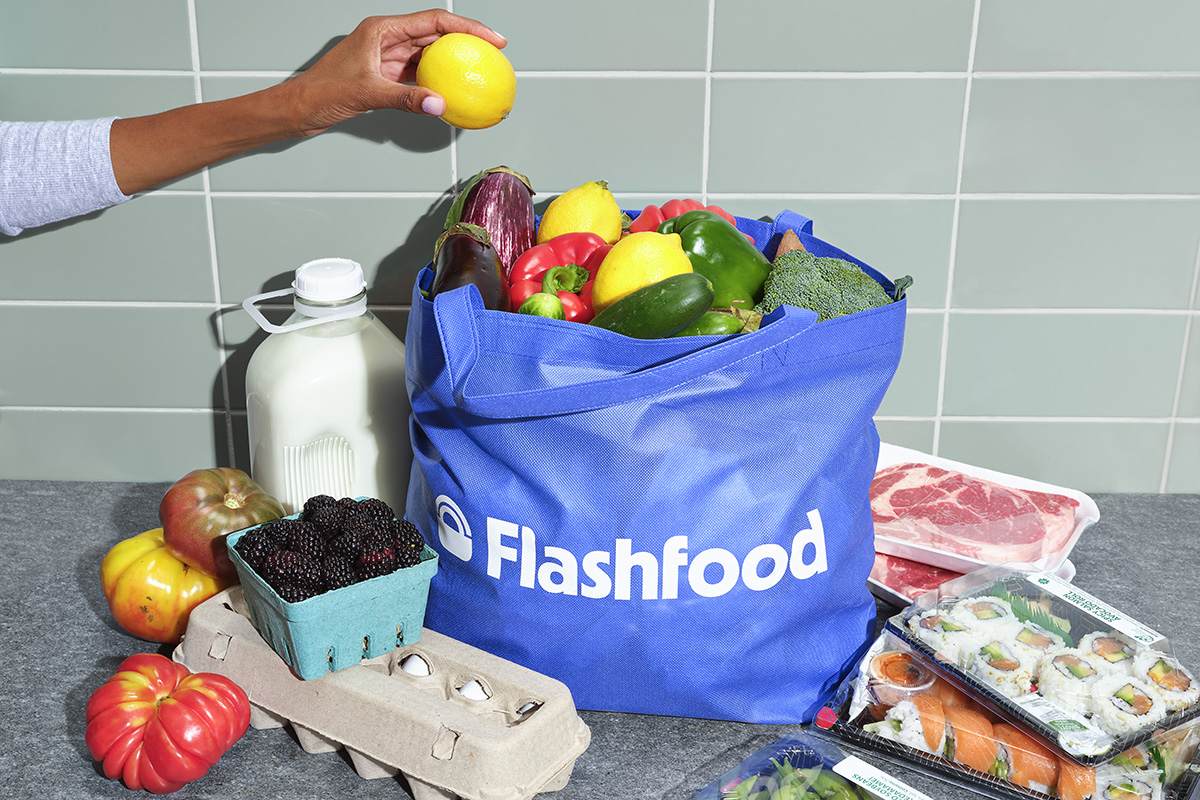
Flashfood’s impact on reducing retail food waste continues to grow at an astonishing pace. In 2025 alone, the company says it has diverted more than 30 million pounds of unsold but still edible food from landfills so far, averaging 84,000 pounds per day across its network.
Nearly half of that volume is fresh produce, propelled by the popularity of Flashfood’s produce boxes, the platform’s top-selling item. Shoppers have purchased 1.5 million produce boxes this year, each containing roughly 10 pounds of mixed fruits and vegetables, says Flashfood CEO Jordan Schenck.
It’s a trajectory that Schenck says reflects not only Flashfood’s sustainability roots but also its evolution into a sophisticated technology partner for retailers.
“Flashfood, for many years, entered the market under this banner of sustainability, which is absolutely still the outcome of everything we do,” Schenck says. “But as we’ve matured, what’s emerging is how Flashfood maximizes value as a retail technology partner. We sit between that scan gun and the back-of-house trash can, and that gives us insights retailers have never had before.”
Retailers have long struggled with the end-of-life stage of perishable inventory — meat, produce and prepared foods, in particular. Much of that product historically went to landfill despite donation programs and limited discounting.
Flashfood’s integration with retailer systems now helps merchants identify items nearing their shrink window and price them dynamically to increase sell-through.
“We’re releasing the beta of our dynamic and intelligent pricing,” Schenck says. “If a skirt steak was going to go on manager’s special for 30% off, but Flashfood data shows it will sell better at 25% with a higher guarantee of sell-through, we support that. This is how we help retailers recover value that used to be lost.”
This shift underscores what Schenck calls a new ROI mindset around shrink: not just mitigating losses, but driving incremental traffic and capturing dollars that would otherwise disappear.
Meeting Retailers Where They Operate
Schenck says a key component of Flashfood’s success is its flexibility in how retailers deploy the program. The company integrates into existing devices, catalogs and morning routines, thereby avoiding disruptions to established processes.
Some retailers install dedicated Flashfood-branded areas in-store. Others use existing e-commerce pickup zones or back-of-house locations. This adaptability has supported rapid program scale with partners such as Kroger, Meijer, Gelson’s, Giant Eagle and others, according to the company.
“We’ve revised the floor planogram to meet the retailer in a sharper way,” Schenck says. “How your SOPs run is exactly how we fit into them. Our job is to ensure that uncaptured inventory finds its way onto Flashfood and into the community.”
Flashfood’s support teams work directly with retailers’ store operations to ensure the rollout blends seamlessly with existing shrink and calling processes.
“Retailers know their operations better than anyone,” Schenck says. “The best thing we can do is work within their systems rather than create something new and disruptive. We forward-deploy training teams to deeply understand their processes and make sure Flashfood integrates cleanly.”
Many of Flashfood’s enhancements, including the new dynamic pricing, were developed in response to retailer requests.
“Retailers told us, ‘I have so much more I want to put on Flashfood. Help me get the pricing right.’ So we built it,” Schenck says.
Produce-Focused Win for Grocers
Fresh produce remains a cornerstone of the program. With consumers facing inflation on everyday items and retailers aiming to reduce shrink on the most perishable category, Flashfood says its model offers mutual benefit:
- Shoppers access affordable fruits and vegetables.
- Retailers move product that would otherwise be tossed.
- Communities gain access to quality, nutritious food at lower price points.
- The environment benefits from a significant reduction in landfill-bound perishables.
The 1.5 million produce boxes sold in 2025 alone not only underscore the scale but also reveal shifting shopper behavior as consumers become more comfortable buying discounted, near-date produce through digital channels.
As Flashfood continues to expand its technology offerings and deepen partnerships, Schenck sees even greater opportunities for retailers to reclaim value, reduce waste and better serve their communities.