The landscape of the American produce aisle is being driven by a sophisticated consumer base that no longer views fruit as a mere commodity. According to The Packer’s Fresh Trends 2026 report, grapes have solidified their position as the No. 3 most purchased fruit in the U.S., trailing only behind staples like bananas and apples.
This surge in popularity is not accidental; it is the result of a multiyear shift toward high-flavor, branded varieties and a strategic expansion of the spring growing season that bridges the gap between southern imports and domestic summer peaks.
Moving through the 2026 season, the industry is witnessing a convergence of organic innovation, advanced viticulture research and a “flavor-first” philosophy that is redefining what consumers expect from a simple bunch of grapes.
Rise of the Super-Flavor Spring Variety
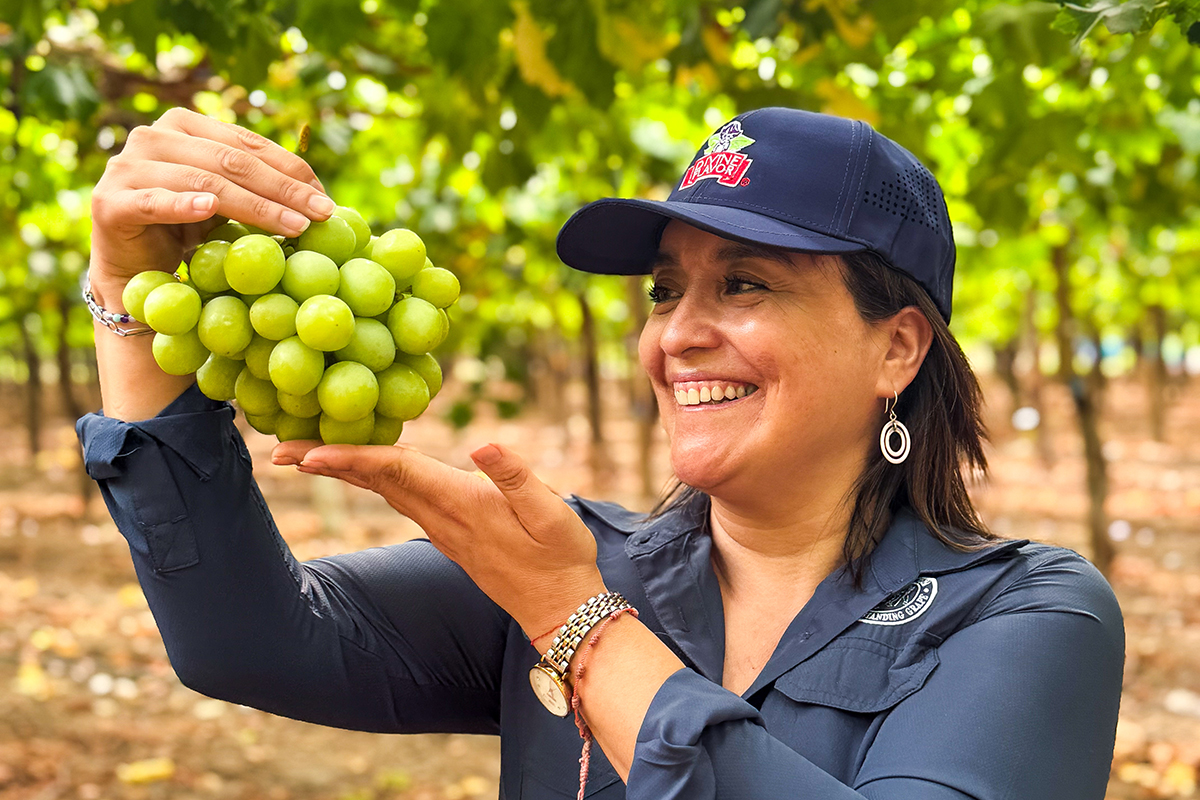
For years, the early spring grape market was dominated by traditional varieties bred primarily for their ability to survive long-distance shipping from the Southern Hemisphere. However, Alan Aguirre Camou, chief marketing officer of Divine Flavor, says there has been a significant shift in the flavor profile of the spring harvest as older, traditional acreage is replaced.
“In simple terms, we’re seeing more flavor earlier in the season,” he says. “Newer varieties with stronger flavor profiles are coming into production sooner, allowing us to deliver a better eating experience earlier than ever before.”
For example, Ruby Rush and Karizma are early- to mid-season varieties that offer exceptional sweetness despite their earlier timing, Aguirre Camou says. On the green/white seedless side, Honey Pop is another newer variety that delivers great flavor early in the season.
“In addition, our candy line — featuring Cotton Candy, Sweet Globe, Sweet Celebration, as well as Jellyberries and Gummyberries — continues to perform well from June through July,” he says. “Overall, the industry is clearly shifting away from older, traditional varieties toward newer options that prioritize flavor and consumer appeal.”
While not necessarily surprising, Aguirre Camou says, the clear standout has been the Autumncrisp grapes.
“This white seedless variety has become one of the most sought-after grapes among both buyers and consumers,” he says. “In many ways, it sets the standard for the category due to its size, crunch, flavor and shelf life.”
Additionally, it’s a more sustainable variety, requiring fewer inputs compared to others.
“As the largest producer of this grape in Mexico, we’ve made significant investments in Autumncrisp from the beginning. Thanks to our close relationship with Sun World, we recognized its potential early on and have continued to expand our production,” Aguirre Camou says.
Next Big Thing in Early Flavor
The 2026 season is also seeing the rise of early- to mid-season varieties that prioritize sweetness and sensory appeal. Aguirre Camou highlights Ruby Rush and Karizma as exceptional performers that offer high Brix (sugar) levels despite their early timing. On the green seedless side, Honey Pop is emerging as a top contender for early-season flavor.
“At the same time, we’re continuing to invest in proven standouts like Autumncrisp, while leveraging our Jalisco (Mexico) program to extend availability and create a more consistent and reliable supply window,” he says.
Furthermore, the candy category — which includes Cotton Candy, Sweet Globe, Sweet Celebration and the specialty Jellyberries and Gummyberries — continues to anchor the late spring and early summer programs from June through July.
Organic Heirlooms and the Direct-to-Consumer Connection
While large-scale shippers focus on seedless high-flavor brands, boutique growers like Sunny Cal Farms are carving out a niche with organic heirloom varieties that appeal to flavor purists.
Sunny Cal Farms recently announced the first organic harvest of Niabell Concord and Kyoho grapes will be available for the first time during the summer 2026 season, adding to its already popular organic Thomcords. These new varieties represent a departure from modern breeding trends that often prioritize size over fragrance.
“When we first introduced our conventional Niabell Concord and Kyoho grapes, consumers responded extremely favorably to their fragrance and flavor,” says CJ Buxman, owner of Sunny Cal Farms and a third-generation grower in California’s San Joaquin Valley. “That demand encouraged us to plant for the organic market four years ago, and 2026 will mark our first organic harvest.”
Niabell Concord and Kyoho are heirloom seeded grape varieties known for their distinctive sweet flavor profiles balanced with pronounced tannins. Demand for the conventional versions has been driven by their intense aroma, rich flavor and the growing consumer interest in polyphenol-rich foods.
“Every grape variety we grow is selected for flavor and fragrance,” Buxman says. “Many modern table grape varieties have been bred primarily for size, sweetness and shipping durability. Our Niabell Concord and Kyoho grapes deliver the full, classic ‘grapey’ flavor profile that many consumers remember and increasingly seek out.”
Niabell Concord grapes offer a rich sweetness balanced with bright acidity and a flavor reminiscent of fresh grape juice. Kyoho grapes are intensely aromatic and sweet with a subtle tart edge.
Both varieties are traditional slip-skin grapes, allowing consumers to pop the pulp from the skin for a sweeter taste or eat the whole grape for a more complex flavor experience. The varieties also contain seeds, which contribute to the robust flavor profile valued by many consumers.
“Our grapes are picked and packed to order,” Buxman says. “With limited organic volume this season, we encourage retailers and distributors to contact us early to secure program availability.”
Sunny Cal Farms also expects a strong season for its organic Thomcord grapes, shipping in mid-July. Conventional and organic Kyoho grapes are expected to begin shipping in early August, followed by Niabell grapes in mid-August.
The Human Element: Texting the Farmer
In an era of mass-market logistics, Buxman says Sunny Cal is using a unique marketing strategy: texting customers. Buxman includes text cards in grape packs, allowing consumers to reach out directly to the grower.
“Consumers are blown away when I personally respond to their texts,” Buxman says. This direct connection fosters brand loyalty that keeps consumers searching for his labels at retail, even when they command a premium price.
Science of Sustainability: 2026 Research Strategy
Behind the scenes, the National Grape Research Alliance is ensuring the long-term viability of these varieties through its 2026 National Research and Funding Strategy. Launched in Sacramento, Calif., in March 2026, this roadmap addresses the economic and environmental pressures facing growers today.
NGRA is initiating three major projects aimed at vineyard resilience and automation:
- Vitis GEM (Genetics x Environment x Management) — Led by Cornell University, this project examines how management practices influence grapevine traits, giving growers more confidence to adopt new varieties.
- Robotic pruning — Another Cornell-led initiative aims to mechanize the complex task of grapevine pruning to improve labor efficiency and vineyard economics.
- Drought-tolerant rootstock — Researchers at the University of California, Davis, are developing a breeding framework to accelerate the creation of rootstocks that can survive the increasingly arid conditions of western production regions.
Grapes in the Modern Workplace
The demand for these high-quality grapes is also being felt in the corporate world. Erin Mittelstaedt, CEO for The FruitGuys, notes that while functional snacking (focusing on protein and fiber) is a major trend, fruit remains the ultimate healthy snack due to its natural vitamins and antioxidants.
Office workers are increasingly seeking a sensory experience in their fruit breaks, she says. Mittelstaedt reports significant buzz around trademarked varieties like Ruby Rush, Torch, Gum Drops and Moon Drops. The “crisp grape that pops between your teeth” has become a sought-after sensory characteristic for employees looking for a refreshing midday snack.
“We’re hearing some buzz right now around newer trademarked grape varieties, like Ruby Rush and Torch,” Mittelstaedt says. “Customers are always interested in what’s fresh and different, so our growers are trying new things and expanding existing programs for unique grapes like Gum Drops and Moon Drops — probably to meet that demand. Still, new doesn’t always mean better. Classic California grape varieties like Thomcords and Autumn Royals are always delicious, too. What’s ‘best’ in any given season depends on the weather, where it’s grown and your personal taste.”
Legislative Support and Future Outlook
The health of the grape industry is also tied to legislative progress. The California Table Grape Commission, which represents 99% of U.S. commercial table grape production, recently welcomed the House Agriculture Committee’s approval of H.R. 7567. This progress on the farm bill is seen as essential for maintaining the global competitiveness of California growers.
The California table grape industry welcomed renewed momentum toward advancing the farm bill through the committee’s approval of the resolution, restoring regular order to the legislative process and emphasizing the importance of ensuring specialty crops remain a central part of the discussion.
“California table grape growers compete in a global marketplace while supplying families across the United States with fresh, healthy fruit,” says Ian LeMay, president of the California Table Grape Commission.
“A farm bill that reflects the needs of the specialty crop sector is essential to maintaining that competitiveness,” he adds. “We are encouraged to see forward progress and a return to regular order that gives growers the opportunity to be heard.”
The spring of 2026 serves as a testament to the industry’s ability to innovate. Whether it is a text from the farmer or a drought-tolerant rootstock, the goal remains the same: delivering the classic grapey flavor profile that consumers increasingly crave.
Your Next Read: