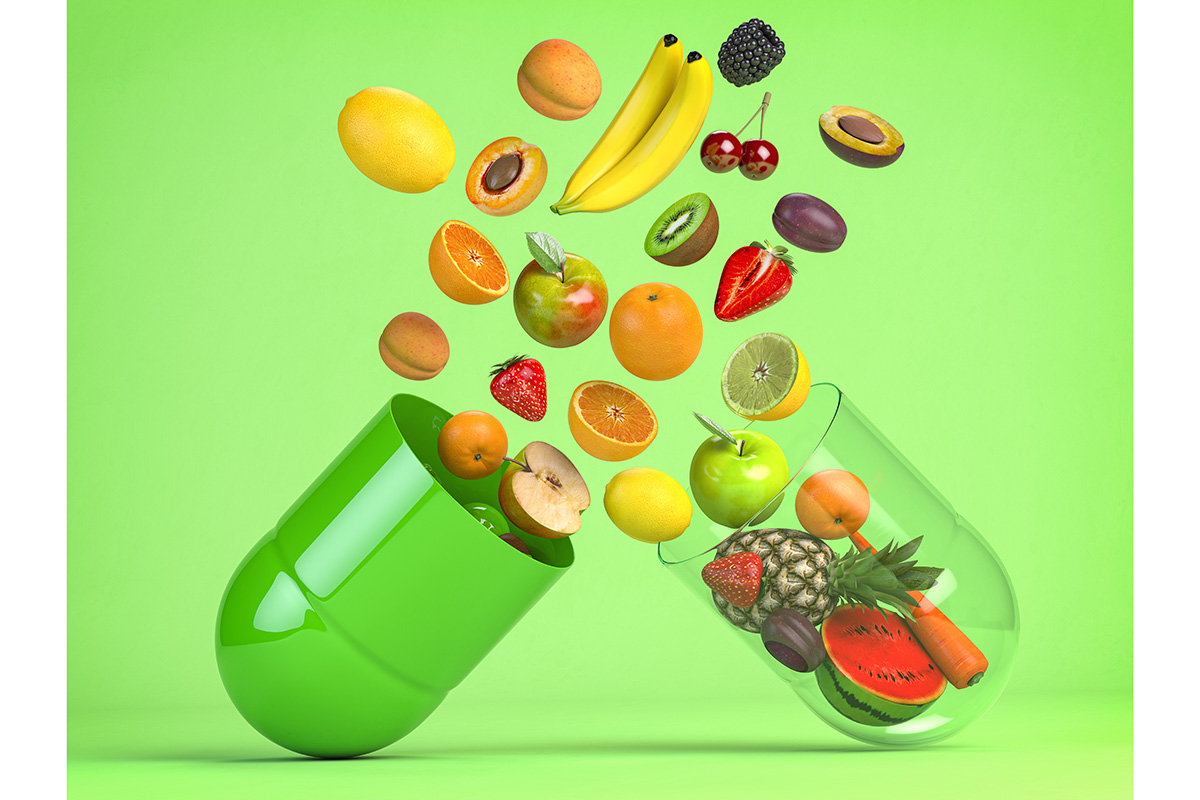
As National Nutrition Month kicks off in March, DoorDash says it will transform from a convenience app into a critical health care link with a series of expansions to its social impact programs. Through its Project DASH initiative, the company is doubling down on the “food as medicine” movement — a health care philosophy treating nutritious food as a primary tool for preventing and managing chronic diseases like diabetes and hypertension.
High-Tech Delivery Meets High-Stakes Health
For many patients, the barrier to health isn’t a lack of medical advice but rather a lack of physical access. DoorDash’s latest data suggests that local delivery is solving the last-mile logistics of nutrition.
“Delivery plays a critical role by ensuring patients can consistently receive the healthy groceries and meals their care teams prescribe,” the company says, noting that illness and mobility challenges often prevent at-risk populations from reaching traditional food banks.
Key Regional Impact Successes
DoorDash highlights the following cases in which partners used Project DASH to promote healthier outcomes:
- Arkansas partner — University of Arkansas for Medical Sciences and Harps; nearly 60% of participants saw improved blood sugar levels.
- California partner — Second Harvest; more than 10,000 boxes delivered, with measurable drops in A1C and blood pressure.
- Colorado partner — Food Bank of the Rockies; delivery of medically tailored groceries to rural and urban food deserts.
Breaking the Food Desert Barrier
A major pillar of the announcement focuses on the expansion of Supplemental Nutrition Assistance Program/Electronic Benefits Transfer payment integration. Since 2023, DoorDash says it has opened online grocery access to over 3 million SNAP recipients.
A recent company report, “From Food Deserts to Dinner Tables,” highlights a significant shift in consumer behavior when delivery is an option.
Among surveyed SNAP/EBT users on DoorDash:
- 67% reported changing their eating habits after using SNAP/EBT on DoorDash.
- 31% said they are eating more fruits and vegetables.
- 42% said they are cooking at home more often instead of turning to fast food or takeout.
- 58% said they feel able to buy more fruits and vegetables without spending more.
Perhaps most telling is the geographic data: SNAP consumers using the platform are twice as likely to live in food deserts compared to non-SNAP users, proving that digital infrastructure is effectively bypassing ZIP code health disparities.
Community Support and App Integration
Beyond logistics, DoorDash says it is deploying Community Credits — grants in the form of gift cards — to local nonprofits. A recent $10,000 contribution to Connecticut-based Hands On Hartford is currently funding the Backpack Nutrition Program, which secures weekend meals for over 200 families.
Throughout March, users will notice a shift within the DoorDash app. The platform will feature curated collections of fresh produce and healthy essentials, including specific sections tailored for SNAP/EBT-eligible items to help users maximize their benefits.
As the “food as medicine” movement gains steam among policymakers and providers, DoorDash appears to be positioning its vast driver network as a permanent fixture of the national public health landscape.