What if food waste wasn't something to get rid of but a resource waiting to be tapped? Researchers at University of California, Riverside are exploring whether a small, insect-powered system could help growers close the loop, turning everyday scraps into new biological tools that support healthier plants, stronger soils and more self-reliant farms.
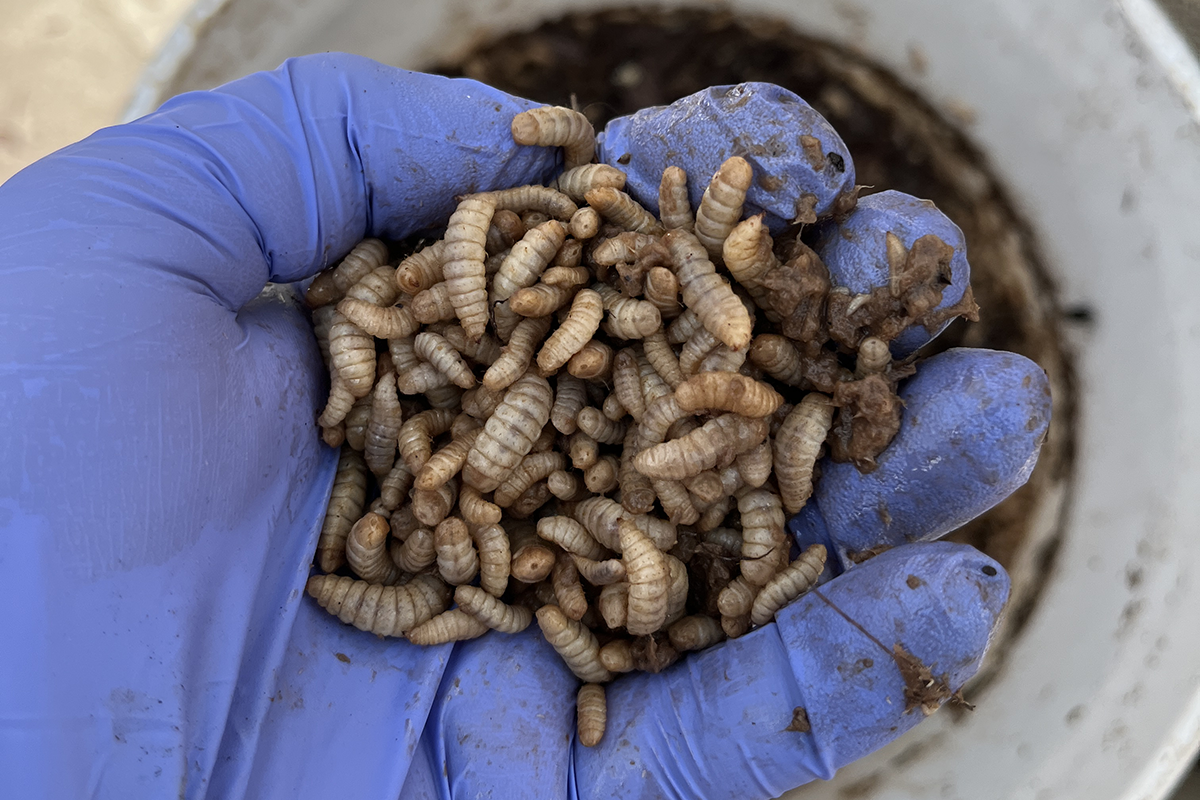
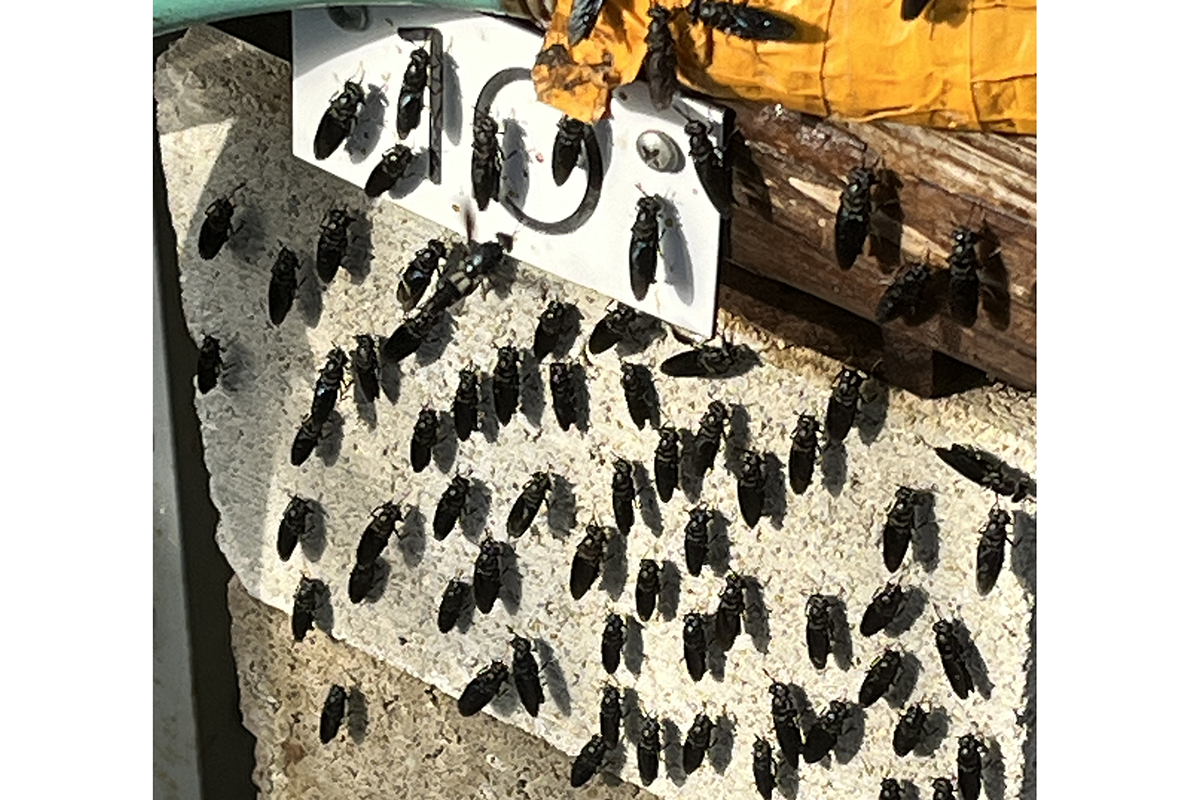
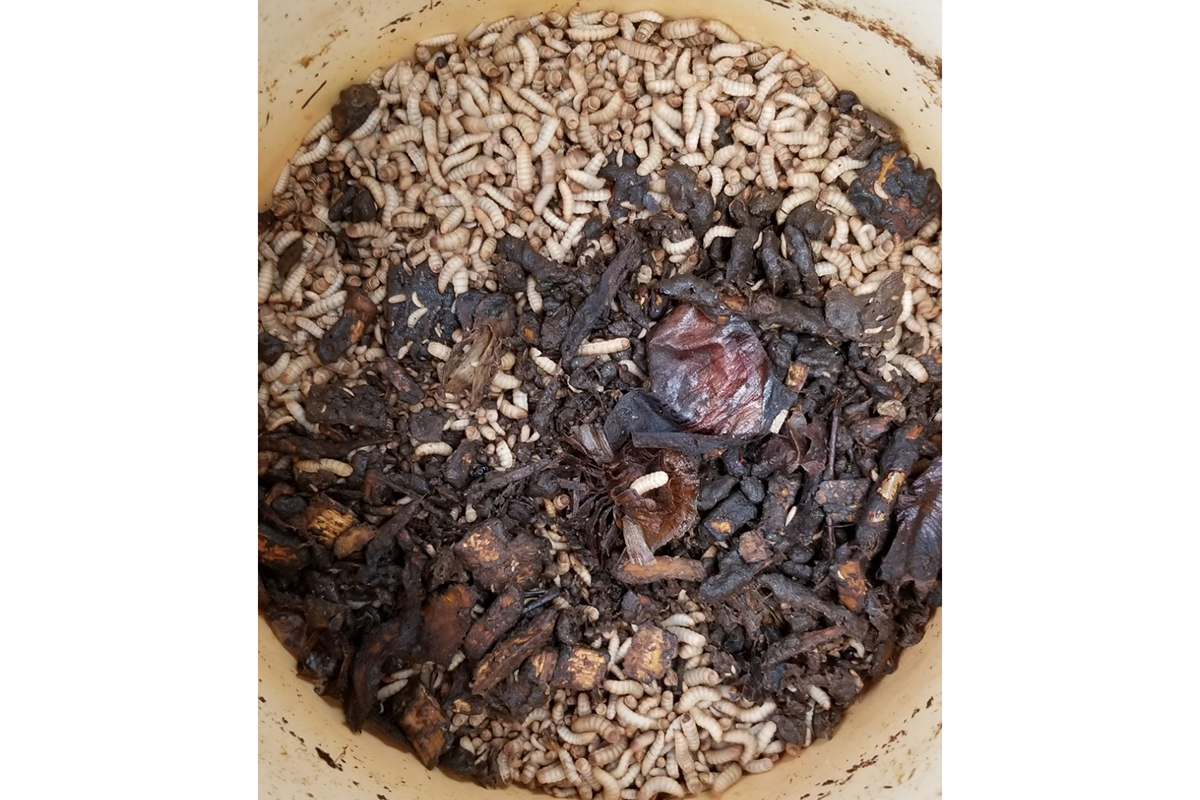
Black soldier fly bioreactors are gaining attention as a promising way to turn waste into resources, creating feed for poultry and fish, while also producing frass that could help strengthen plant defenses. For specialty crop growers and urban farmers, the research carries particular relevance.
Professor Kerry Mauck has been studying how black soldier fly systems influence plants, and one of the most intriguing concepts is what she describes as a “vaccine-like” effect. Insects, fungi and other organisms that commonly interact with plants contain chitin, a structural polymer. When tiny fragments of chitin from the insects' exoskeletons show up in soil, plants recognize the signal.
Mauck explains that the bits of chitin become “a molecular signature of something that the plant might want to ramp up its defenses to fight off.” Because frass contains both chitin and microbes that help break it down into smaller pieces, plants can respond as if they are preparing for attack, thus switching on natural defense systems before any threat arrives.
“It's like activating those defenses without the attack that comes right after,” Mauck says. “If something else does come in, the plant is ready for it.”
Built With Small and Specialty Growers in Mind
While large commercial systems exist, Mauck's team intentionally designed a small, adaptable setup.
“Ours is one of the first that's been tested and published that would operate on a small scale,” she says. The goal was to make it feasible for small and medium-sized farms and growers with limited space. The main requirement is an enclosed area with some temperature control — such as a greenhouse or a simple building with windows.
The footprint can be as modest as a single bin, roughly a meter and a half square, but growers can add additional bins in a row as their operation grows. Importantly, most of the materials are common agricultural supplies.
“The bins are like bins you might use to harvest fruit,” she says, noting buckets, shovels and hardware-store materials made up most of the system's needs.
Urban farmers might find the flexibility attractive, although Mauck cautions that community gardens could face coordination challenges around who maintains the system week-to-week. In the university trial, undergraduate workers were able to keep the system running with about five to 10 hours per week of labor.
Beyond Feed: Soil Biology and Plant Resilience
Beyond producing feed for poultry and fish, Mauck sees some of the greatest potential benefits happening underground.
The chitin and organic matter appear to encourage beneficial bacteria that help keep soil-borne pathogens in check.
“The other great thing about the materials that are in the frass … is that a lot of microbes that are beneficial, that can actually suppress diseases in the soil, thrive on these materials,” she says.
Her team is now exploring whether even small doses of frass could build healthier soil ecosystems while keeping application costs low.
“We're trying to see what's the smallest dose … that can still be effective,” Mauck says.
For specialty crop farms, the research suggests several takeaways:
- Closed-loop opportunity: Waste streams can become feed and soil amendments instead of disposal costs
- Plant-defense potential: Frass might “prime” crops to better respond to pests and disease
- Scalable design: Systems can start small and expand
- Labor remains a factor: Clear responsibilities and training are essential, especially in shared garden settings
As scientists learn more about how frass shapes soil biology and plant defenses, this insect-powered approach could become one of the simplest ways to close the loop on nutrients.