From the surprising new power shopper to engaging Gen Z and millennials to redefining value in the produce department, here’s a look at what’s driving fresh produce consumption in the year ahead. Fresh Trends 2026, The Packer’s annual report on purchasing behavior and consumption habits across 50 fresh fruits and vegetables, offers data and insights designed to increase produce sales and position the industry for success.
1. Men Are the New Produce Power Players
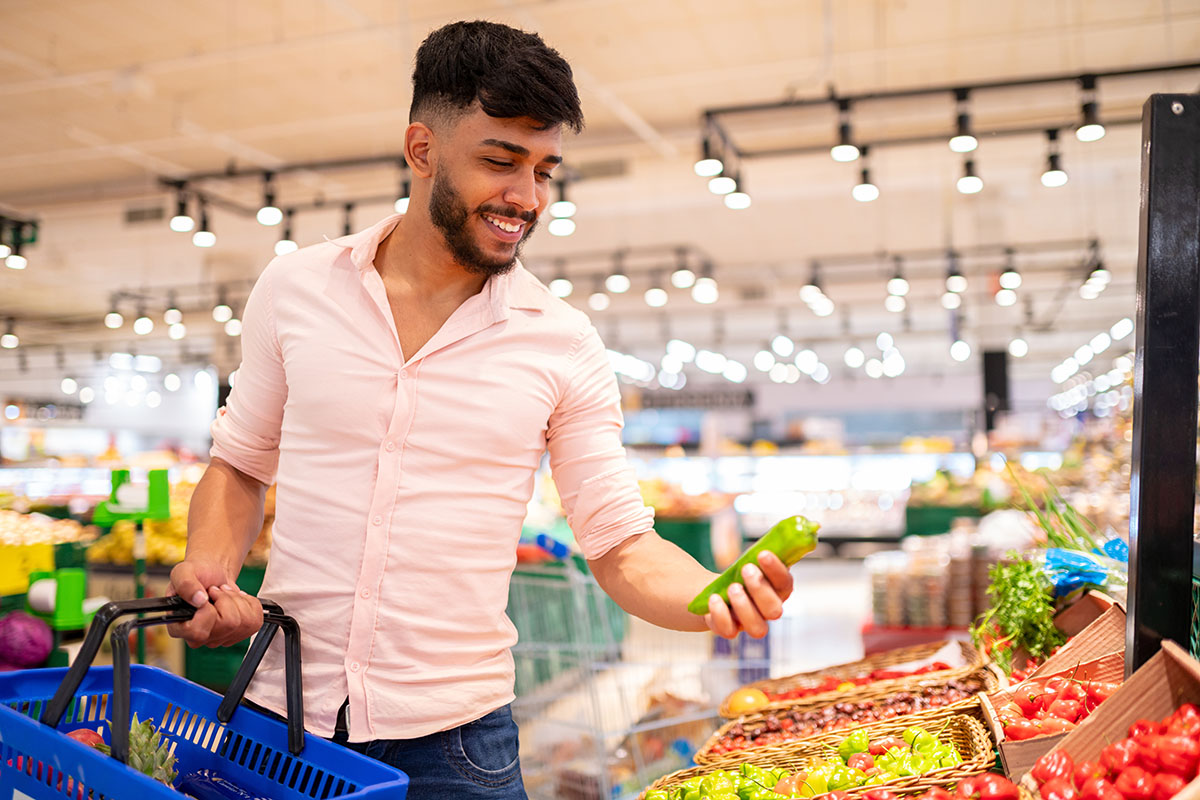
One of the most significant shifts in the 2026 data is the rise of the male shopper. Men reported higher purchase rates for “differentiated” produce — think organics, super-premium strawberries, lion’s mane mushrooms, value-added produce and purple sweet potatoes — than women. And not only are they buying more specialty items, but they are also willing to pay a premium to get what they want.
2. Gen Z and Millennials Remain the Drivers of Different
If it’s new, local or organic, younger shoppers are likely the ones buying it. Gen Z and millennial consumers continue to lead the charge in purchasing specialty items like jumbo blueberries, sweet snacking peppers and specialty mushrooms. For these generations, produce isn’t just a side dish or snack; it’s an experience.
3. The Banana Renaissance is Real
Bananas are officially back in a big way. Fresh Trends 2026 found that alongside potatoes, bananas were the most purchased produce item, with 92% of respondents buying them in the past 12 months. Experts attribute the uptick to their status as a “habit-forming” food — a routine, nutrient-dense snack that fits perfectly alongside protein shakes and supplements for active lifestyles.
4. Organic Produce Growth Driven by Younger Shoppers, Men
While the majority of consumers still predominantly purchase conventionally grown produce, the organic market remains resilient, driven by men and younger shoppers.
Among organic buyers, nearly one-third (30%) of respondents said 26% to 50% of their fruit and vegetable purchases are organic, a trend led by millennials.
About 8% of men surveyed said they were willing to pay a staggering 50% more for organic fruits and vegetables — twice the rate of women. While most organic buyers are comfortable with a 10% to 24% markup, this “super-loyal” segment is one to watch.
5. Big Box Stores Are the Go-To for Organics
Fresh Trends 2026 finds that chain superstores such as Walmart and Target have become the primary destination for organic produce, with 48% of all organic buyers shopping those stores. Among younger shoppers, that percentage is even higher. Fifty-nine percent of Gen Z organic produce shoppers and 55% of millennials indicate they shop chain superstores for organic produce, compared with 48% of Gen X and 30% of baby boomers.
6. Value Is About More Than Just Cheap
While inflation is a concern, the 2026 value proposition for produce isn’t just about the lowest price. Consumers are looking for functional fuel, flavor, versatility and culinary experiences. They want produce that delivers the whole package: health benefits, deliciousness, fiber, protein, convenience and more.
7. Think Meal Solutions Versus Commodities
Circana estimates that 78% to 80% of America’s calories are consumed at home. This is a huge opportunity for produce to market fruits and vegetables as meal solutions. The industry can do more to demonstrate how a bag of potatoes or a clamshell of tomatoes can be used across multiple eating occasions from snacks to salads to main courses, for example.
This meal solutions mindset also fits with the male-dominated trend of produce-, fiber- and protein-rich meal prepping — cooking all the meals for the week(s) ahead in one day.
6 Ways to Maximize These Trends
- Target the male power shopper: Curate displays featuring high-end items like purple sweetpotatoes, specialty mushrooms and value-added produce in high-visibility areas; tweak your marketing to include images of men enjoying produce with kids and without; cross-merchandise meat and veggies and dairy with fruit to offer a destination for meal prepping.
- Market produce as an experience for Gen Z and millennials: Call attention to new and trending items; highlight origin stories through in-store signage and online; create social media-worthy displays of unique and exotic fruits and veggies to encourage younger shoppers to share their finds.
- Reposition routine items as functional fuel: Market everyday items like bananas as functional performance food. Place them in the same category as protein shakes and powders, nutrition bars and supplements to drive volume among fitness-focused shoppers.
- Promote organics to key segments: As organic growth is now being fueled by men and younger generations, use loyalty program data to send organic-specific promotions to male shoppers and Gen Z and millennial customers.
- Lean into functional health benefits: Use signage and digital marketing to highlight specific functional benefits beyond health. Call out fiber content, protein and gut health benefits that align with dietary trends expected to dominate 2026.
- Prioritize emotional equity over a commodity mindset: Build emotional equity around produce brands through storytelling, sustainable packaging and transparent sourcing to create a connection with the shopper that justifies a higher price point even during inflationary times.