The produce industry is celebrating the U.S.-Ecuador Agreement on Reciprocal Trade, which carries meaningful implications for importers of bananas, pineapples, mangoes and floral from Ecuador into the U.S. market, says the International Fresh Produce Association.
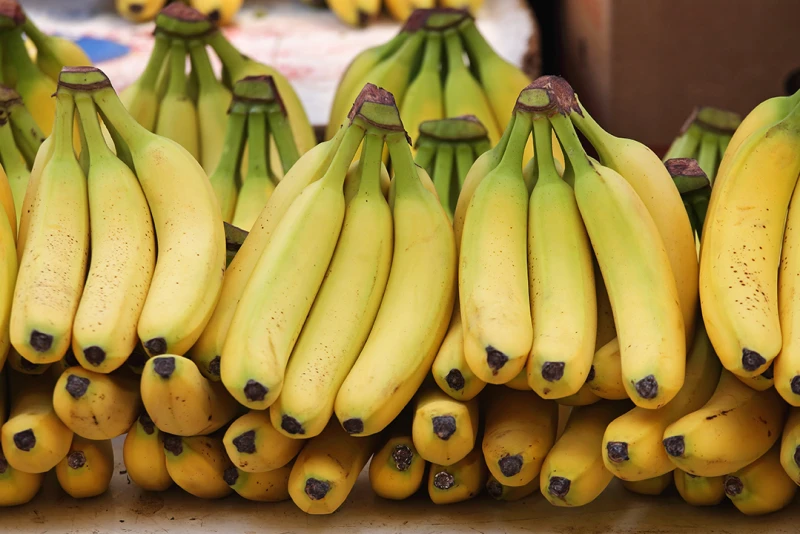
Under the agreement, the U.S. will apply most-favored-nation (MFN) tariff treatment to Ecuadorian cut flowers and agricultural goods such as bananas, pineapples and mangoes.
IFPA says this translates to the removal of the additional 15% tariff that has been in place, bringing effective duty rates back to the base MFN rate which varies by product. Under this agreement, Ecuador will also remove or reduce barriers on over 90% of the U.S. agriculture products exported into the country, which includes U.S. grown produce.
While full duty-free access was not achieved, as the Generalized System of Preferences has not been renewed, this agreement meaningfully reduces the cost burden on floral importers and helps restore more predictable trade flows, said IFPA in a news release.
“We are encouraged by this agreement and what it means for the movement of floral products from Ecuador into the U.S. market,” says Colleen Fagundus, IFPA’s director of floral. “Reducing these tariff barriers is an important step toward ensuring our members can operate with greater certainty and competitiveness. We will continue to advocate for further progress, including GSP renewal and additional reciprocal trade agreements in the region, that would benefit floral importers across the supply chain.”
IFPA says it is committed to monitoring developments as this agreement goes into practice, which is currently targeted for August 2026, and will keep members informed as additional details become available.