USDA will provide $1 billion in assistance for specialty crops, sugar and commodities not covered through the previously announced Farmer Bridge Assistance program, Agriculture Secretary Brooke Rollins says in a news release. USDA says these one-time bridge payments will be made through the Assistance for Specialty Crop Farmers Program.
While USDA says the payments will “help address market disruptions, elevated input costs, persistent inflation and market losses from foreign competitors engaging in unfair trade practices that impede exports,” with $500 million in losses to just russet potatoes alone, the figure falls well short of the full funding needed.
Specialty crop producers have until March 13, 2026, to report 2025 acres to USDA’s Farm Service Agency, the release says.
“President Trump has the backs of our farmers, and today we are building on our Farmer Bridge Assistance program with the Assistance for Specialty Crop Farmers (ASCF) Program,” Rollins says in the release. “Our specialty crop producers continue to feel the negative effects of four years under the Biden Administration, suffering from record inflation, a depleted farm safety net and delayed disaster assistance.
“If our specialty crop producers are not economically able to continue their operations, American families will see a decrease in the food they rely on, wholesome and nutritious fruits and vegetables,” Rollins continues. “Putting Farmers First is essential to the Make America Healthy Again movement and we are doing both at USDA by expanding market opportunities and improving the farm economy for all producers. Today’s specialty crop announcement builds on our efforts to improve markets for real food into American schools, institutions, and family dinner tables.”
The Assistance for Specialty Crop Farmers Program is authorized under the Commodity Credit Corporation Charter Act and will be administered by FSA.
Eligible Specialty Crops
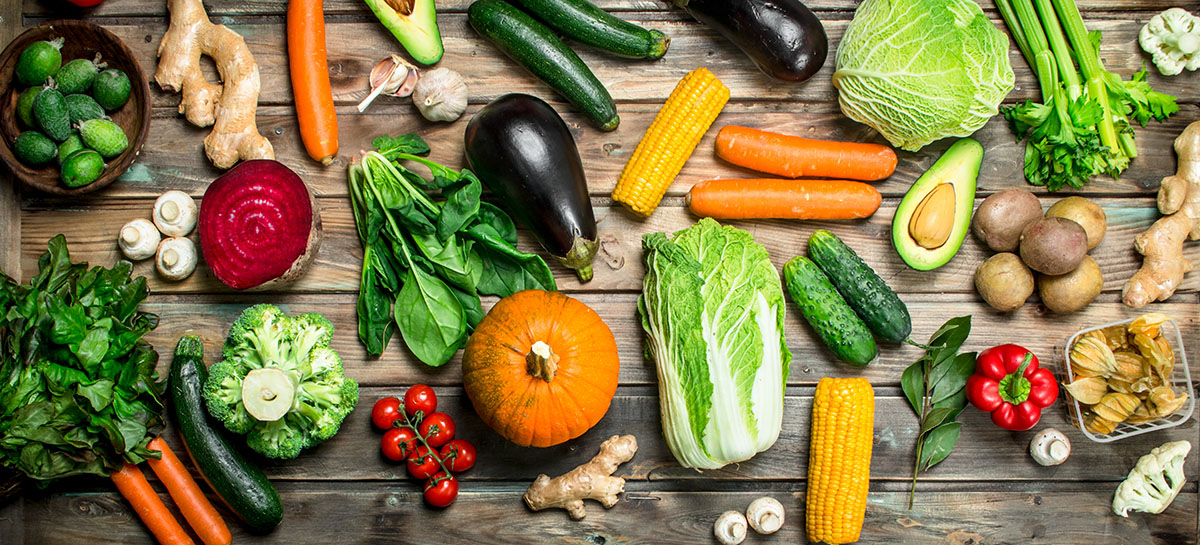
USDA says ASCF-eligible specialty crops include: almond, apple, apricot, aronia berry, artichoke, asparagus, avocado, banana, bean (snap or green; lima; dry edible), beet (table), blackberry, blueberry, breadfruit, broccoli (including broccoli [rabe]), Brussels sprouts, cabbage (including Chinese), cacao, carrot, cashew, cauliflower, celeriac, celery, cherimoya, cherry, chestnut (for nuts), chive, citrus, coconut, coffee, collards (including kale), cranberry, cucumber, currant, dates, dry edible beans and peas (dry edible beans and peas covered by FBA will not be eligible for ASCF), edamame, eggplant, endive, feijou, fig, filbert (hazelnut), garlic, gooseberry, grape (including raisin), guava, horseradish, kiwi, kohlrabi, leek, lettuce, litchi, macadamia, mango, melon (all types), mushroom (cultivated), mustard and other greens, nectarines, okra, olive, onion, opuntia, papaya, parsley, parsnip, passion fruit, pea (garden; English or edible pod; dry edible), peaches, pears, pecans, peppers, persimmons, pineapple, pistachio, plums (including prune), pomegranate, potato, pumpkin, quince, radish (all types), raspberry, rhubarb, rutabaga, salsify, spinach, squash (summer and winter), strawberry, Suriname cherry, sweet corn, sweet potato, Swiss chard, taro, tomato (including tomatillo), turnip, walnuts and watermelon.
ASCF payments are based on reported 2025 planted acres.
Eligible farmers should ensure their 2025 acreage reporting is factual and accurate by 5 p.m. ET on March 13. Commodity-specific payment rates will be released by the end of March. Crop insurance linkage will not be required for the ASCF program. However, USDA strongly urges producers to take advantage of the new “One Big Beautiful Bill Act” risk management tools to best protect against price risk and volatility in the future.
More information on ASCF is available online at fsa.usda.gov/fba, or producers can contact their local FSA county office.
Your next read: Specialty Crops in Crisis: Will They Receive the Farm Aid They Need?