![“Certain varieties, like romas, have gotten so high [that] we did need to raise our retails due to costs,” says Justin Rowe of Northeastern Shared Services. “Most of the retails we raised were done more to slow down the category than compete with rising costs. We just don’t have the supply to be promotional.”](https://assets.farmjournal.com/e4/58/ca16a8c0498181e370524d866f29/adobestock-silverblack-edit.jpg)
A “perfect storm” of freezing Florida temperatures earlier this year, heavy rains and disease in Mexico, dark winter months for Canadian greenhouse growers, rising geopolitical tensions and more has sent tomato prices soaring, leaving grocers and suppliers struggling to fill the void.
Tomato prices were up 15.3% in March and are now up nearly 23% compared to the same time last year, according to Consumer Price Index data.
“It's been a tough month for tomatoes with low supply,” says Dino DiLaudo, senior vice president of sales and marketing for greenhouse grower Topline Farms in Leamington, Ontario.
DiLaudo says disease in some Mexican tomato fields — coupled with reduced plantings sparked by the termination of the Tomato Suspension Agreement in July 2025 that put a 17% tariff on tomatoes imported from Mexico — has put the squeeze on supplies, as has the freeze in Florida.
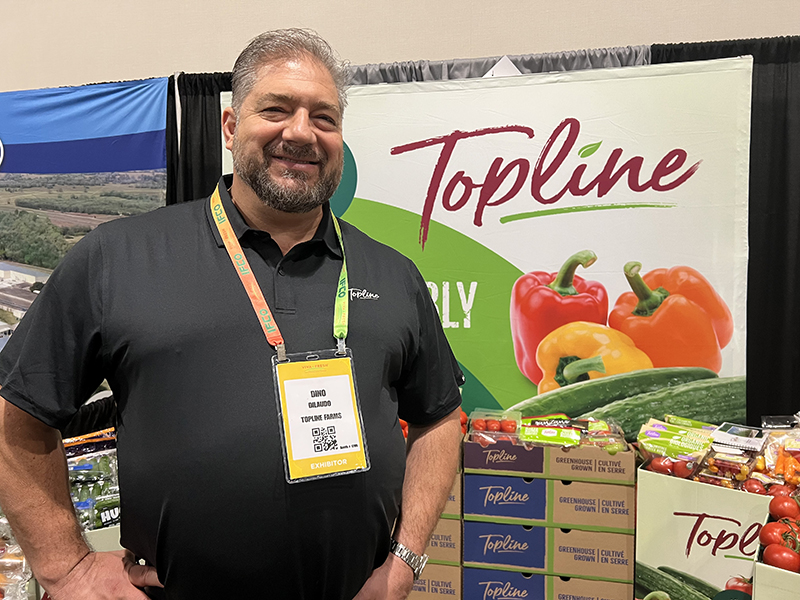
The early 2026 Florida freeze severely impacted tomato production, with estimated losses reaching up to 80% of the crop in that state.
And the ongoing war with Iran has triggered a spike in global energy prices. Specifically, higher diesel costs are making the transportation of tomatoes more expensive, and these logistical costs are being passed down through the supply chain.
“It was a perfect storm,” says DiLaudo. “Shortage drives demand up. And when the whole market is short, it's hard to fill contracts,” he says. “There's a lot of demand for greenhouse-grown because of the price of field-grown.”
Paul Murracas, senior account manager with Leamington-based Pure Flavor, which is also feeling the pinch from tomato shortages, says a lack of light this winter has been another factor.
“There was no sun in Canada this winter,” says Murracas. “Even for greenhouses with lights, it's an issue because you can't run your lights all the time.”

In Canada, where greenhouse growers export more than 85% of their produce to the U.S., the significant lack of light this winter has further constrained production levels. But Murracas says Pure Flavor is making every effort to weather the storm and not raise prices.
“We're doing the best we can to supply our partners,” he says. “We don't look at our business from a one-to-two-month perspective; we look at our long-term relationships with our customers.”
Retailers Focus on Supplier Partnerships
“Tomatoes have been a very interesting category to say the least,” says Justin Rowe, produce business category manager for Northeastern Shared Services, which operates banners including Tops Friendly Markets, Price Chopper and Market 32. “It seems like it has been a long string of issues, and we just can't get ahead in the category.”
Rowe says while the termination of the Tomato Suspension Agreement was the start of the disruption, it was still navigable for grocery retailers like Northeastern Shared Services.
“Being that we are in the Northeast, we source a lot of our greenhouse product from Canada and our home state of New York,” he says. “We do source field-grown tomatoes out of Mexico during certain times of the year, but we did not see the need to raise retails in most instances.”
But an unusually cold winter in the Northeast, with a long string of days in single-digit temperatures, impacted greenhouse tomato growers in the region.
“With the rising costs of utilities, greenhouses couldn't afford to keep the grow lights on, and production took a big hit,” says Rowe. “TOVs [tomatoes on the vine] and beefsteaks specifically bore the brunt of it. This caused us to back off promotions and prorate our stores to spread out what we were getting from our suppliers.”
Rowe says the grocer still managed to get through most of that time frame without raising tomato prices.
“The Florida freeze really turned things upside down,” he says. “While we have remained largely in stock on field-grown tomatoes, we did back off from most promotions due to lack of supply and rising costs.
“Certain varieties, like romas, have gotten so high [that] we did need to raise our retails due to costs,” he continues. “Most of the retails we raised were done more to slow down the category than compete with rising costs. We just don't have the supply to be promotional.”
While romas, beefsteaks and tomatoes on the vine were impacted, snacking tomatoes are another story.
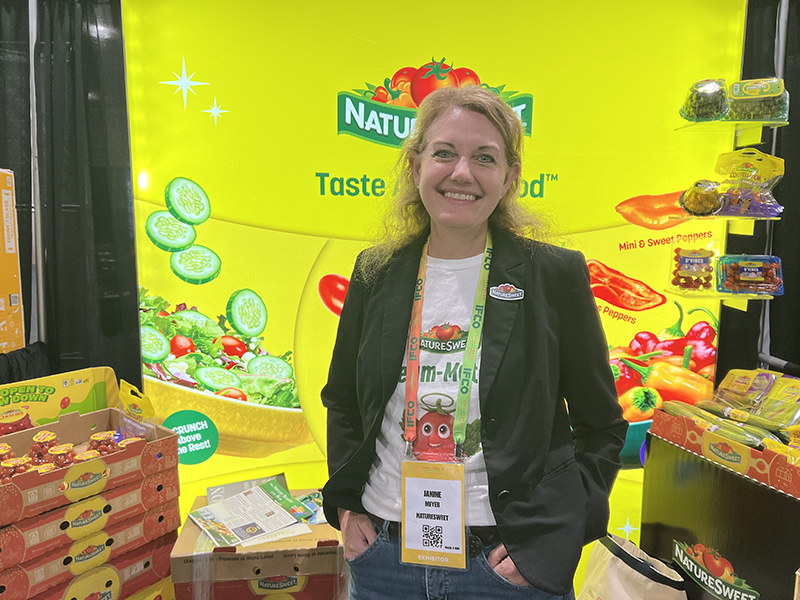
Snacking tomatoes have been spared in the tomato shortage, says Janine Meyer, vice president of sales for grocery and club at San Antonio-based NatureSweet.
“We're fine,” she says. “We're vertically integrated, and most of our business is in snacking tomatoes. Vertical integration is key. It shields us from the noise.”
Amid the tightening tomato market, snacking tomatoes saved the day at Northeastern Shared Services' stores.
“The one bright spot within the category has been greenhouse-grown snacking tomatoes,” says Rowe. “We have relied on them heavily to fill the promotional void caused by the disruption on most round tomatoes.
“This is the time when having partnerships is the most important,” he adds. “We understand that costs need to go up when supply takes this much of a hit. However, we still need tomatoes on our shelves. We work together with our partners to make sure we get our fair share of the supply and only pass on the rising costs to consumers if it's absolutely necessary.”