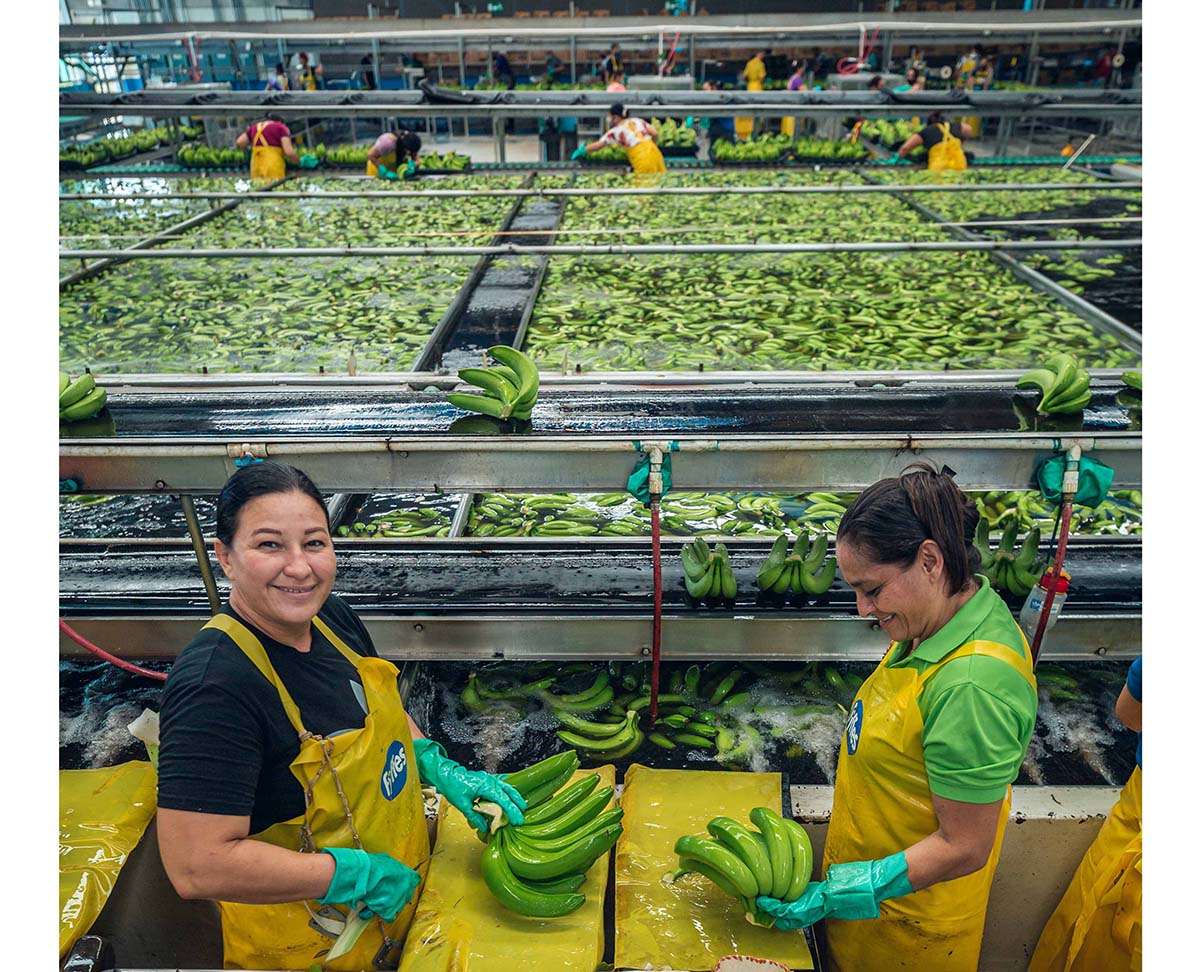
Long a loss-leader in the produce aisle, bananas remain one of the most affordable items in the supermarket, but behind that low price tag lies a supply chain under unprecedented pressure.
Switzerland-based tropical produce giant Fyffes is sounding the alarm, warning that the current commercial model places unsustainable pressure on growers and producers who are simultaneously facing surging production costs, stricter regulatory demands and the mounting impacts of climate change. To protect the long-term viability of the category, the company is calling for an industrywide shift toward shared investment and long-term commercial partnerships that reflect the true cost of responsible farming.
“The current model places considerable pressure on producers at a time when the cost of producing bananas sustainably and responsibly is increasing,” says Frank Burkhardt, chief commercial officer at Fyffes, adding that it's time the industry recognized the real costs involved in producing fruit responsibly.
While expectations around environmental, social and governance performance continue to rise, Fyffes warns that ambitious environmental and social goals mean little without a business model that allows growers to remain profitable.
“Sustainability has environmental, social and economic dimensions,” says Burkhardt. “The industry is rightly being asked to invest more in climate adaptation, responsible farming and the well-being of workers and communities. But those investments depend on economically viable farms and supply chains. If growers and producers cannot achieve sustainable returns, the long-term future of the category is put at risk.”
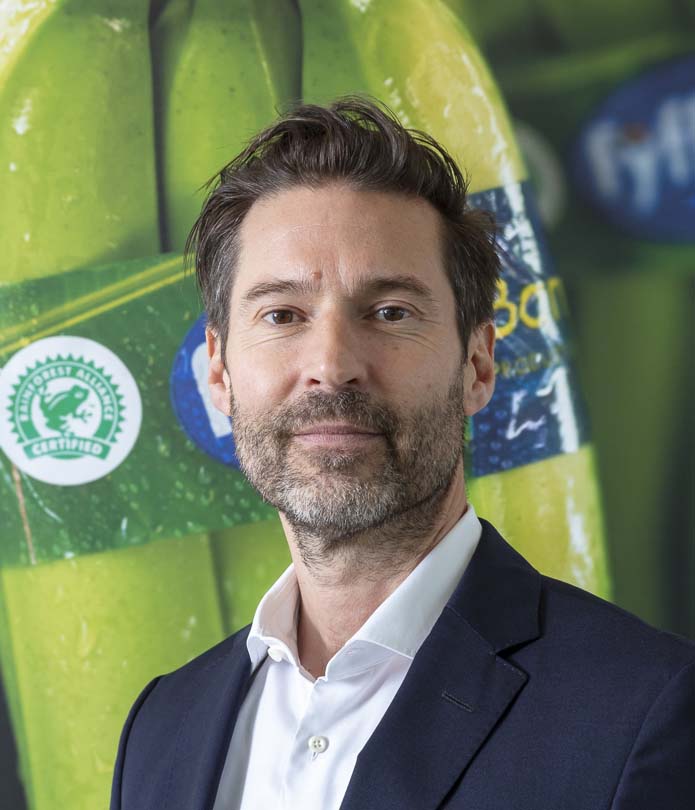
Fyffes is calling for greater collaboration across the banana sector to develop a long-term sustainable model that ensures growers, producers, importers and retailers can continue investing in the future of the category.
“The cost of meeting increasingly demanding sustainability standards cannot simply continue to be pushed down the supply chain,” says Burkhardt. “We believe there needs to be greater sharing of the investment required to make the supply chain more resilient and sustainable.
“That can include retailers investing directly in sustainability initiatives in their supply chains, alongside longer-term sourcing commitments that give growers and producers greater confidence to make those investments themselves,” he adds.
This approach aligns with evolving regulation like the EU Corporate Sustainability Due Diligence Directive, which requires companies to take responsibility for environmental and social impacts across their entire supply network rather than treating sustainability as purely a supplier issue, Burkhardt notes.
While bananas support hundreds of thousands of jobs across Latin America and other producing regions as one of the world's most popular and nutritious fruits, Burkhardt says the long-term future of the category hinges on establishing an economically viable supply chain alongside ongoing environmental and social progress.
Meanwhile, consumer research suggests there is ample headroom at the checkout for modest price adjustments.
“Our own price sensitivity analysis shows us that 88% of consumers do not or only roughly remember banana prices, and my own view is that a slight price increase is unlikely to negatively impact sales volumes,” says Burkhardt.
Despite these pressures, Fyffes says it continues to invest in supply resilience and category development. The company operates a diversified sourcing strategy spanning 10 origins worldwide, supported by an integrated logistics network and long-standing strategic partnerships that help reduce exposure to localized disruption and support continuity of supply.
Fyffes recently set a goal to source 30% of its produce from regenerative agriculture systems by 2035. The company says it thinks these investments are essential to building a more resilient tropical fruit sector but notes that continued progress depends on ensuring the economic sustainability of the supply chain.
“For us, the broader point is straightforward: If the market expects higher environmental and social standards, the cost of delivering those standards needs to be recognized as part of the sustainable cost of production and shared more appropriately across the value chain,” Burkhardt says.