Emerald Packaging, a Union City, Calif.-based supplier of retail flexible packaging for the produce industry, has hit a major sustainability milestone, replacing over one million pounds of virgin polyethylene (PE) with post-consumer recycled (PCR) material, a move it says is a step forward in establishing a circular economy.
Emerald Packaging recently made headlines, when it partnered with Idaho Package, Wada Farms and Walmart to introduce the first 30% food contact PCR bag for the potato category, a project that both pushed the limits of PCR and aligned with Walmart's Project Gigaton, which targets a 1 billion metric ton emission reduction by 2030.
To date, thanks to the 30% PCR potato bag, Walmart has eliminated more than 200,000 pounds of virgin plastic in its potato packaging.
“I think Walmart gave us legitimacy,” says Emerald Packaging CEO Kevin Kelly, who adds that packing potatoes is a “brutal” business. “Ten pounds of potatoes drop 5 feet into a bag that's then dropped on a conveyor.”
“The bag has got to have a lot of strength, and you'd think with PCR, that might be compromised, and if you were just using straight PCR, it probably would be, but by blending it with other materials, it's able to handle the load,” he adds.
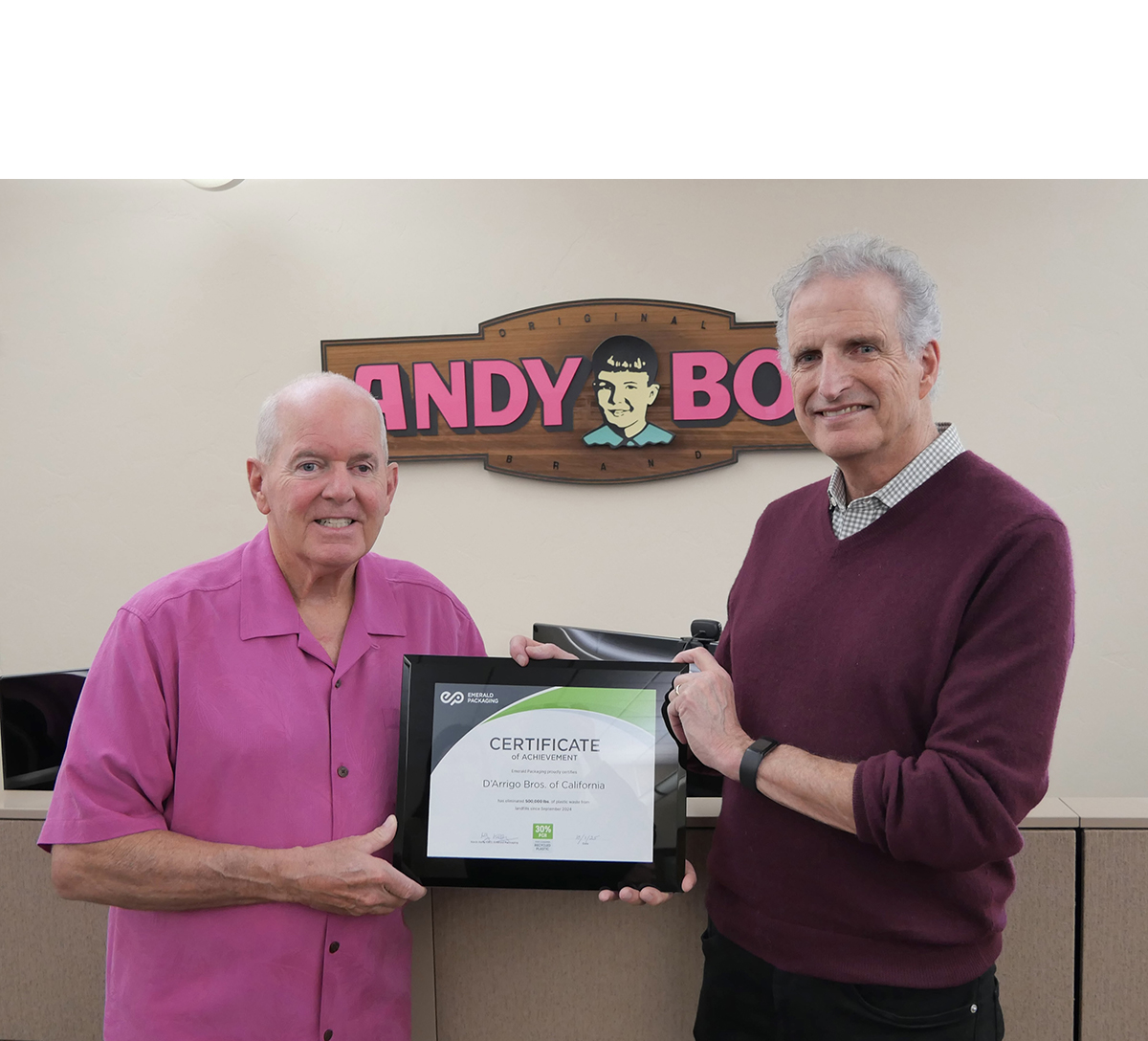
D'Arrigo California, a leading romaine shipper, was the first to partner with Emerald on 30% PCR packaging. The companies rolled out PCR bags across D'Arrigo's entire product line, including romaine lettuce hearts and iceberg lettuce, resulting in the elimination of more than 500,000 pounds of virgin plastic from the supply chain.
“D'Arrigo were the ones who jumped on board first, and it took a bit of courage on their part, because nobody was using PCR in the market, certainly nobody was using it at a 30% level, so I am grateful to them for really getting us started,” he says.
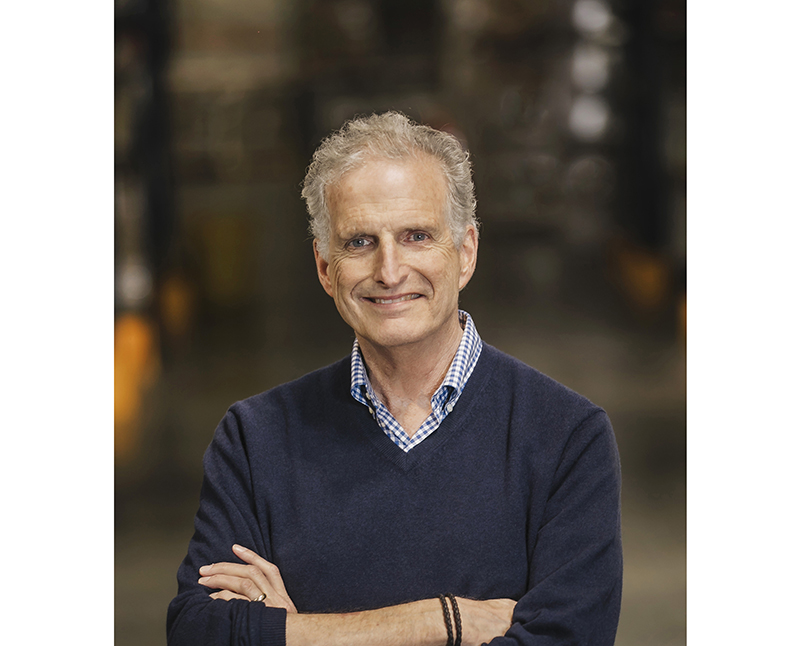
The road to sustainable packaging success has been a long one, Kelly says. For more than two decades, the California Green Business has been at the forefront of sustainable produce packaging solutions, which until now, “have never really had legs,” due to the cost question, he says.
Given this milestone has been decades in the making, how does it feel to eliminate 1 million pounds of virgin plastic?
“I just have gratitude for getting to this moment, because I've always wanted to have an environmental achievement, especially given the reputation plastics have, and so to finally be able to do this is just thrilling,” Kelly says.
Integrating PCR materials not only diverts plastic waste from landfills but also significantly reduces the carbon emissions associated with the production of virgin plastic, he says. According to a 2004 study by University of California scientists, increasing the use of PCR has the most significant impact on waste plastic tonnage and GHG reduction compared to any other possible environmental action.
It's improved packaging sustainability that's gaining attention from a broader audience.
“For folks like Cal Recycle, as they're putting the regs in place for SB 54, they can point to us and say what PCR can be used in food packaging and propose mandates for it,” Kelly says. “What I'm hoping then will happen is that you'll see more companies jump into the PCR market.”
More packaging companies in the market could also mean more demand for reprocessors, some of which have closed in recent years.
“If any more close, PCR might be in trouble, and it shouldn't be that way,” he says.
With an eye to the bigger environmental picture, Kelly views competitors entering the 30% PCR packaging space as a boon.
“There's other potato packers now coming forward, wanting to use it, and we're seeing other companies like Fox Packaging start to market 30% PCR,” he says. “Having a competitor adopt this product means less plastics, so I take it as a positive sign.”
Others Leading the Charge
Kelly also points to industry organizations including Western Growers Association and the Canadian Produce Marketing Association as leading the sustainable packaging charge with their members.
“Those guys are nails on packaging,” he says. “They have educated themselves on packaging issues, they're talking to their members, and they're banging the drum on getting realistic about what's going to be required of them, in terms of environmental mandates.”
They're also talking to regulators about what's realistic for produce packaging, Kelly says, who adds: “You can't use PCR right now, for instance, in salad packaging. If you use 20% or 30% PCR in the packaging, the oxygen transmission rate variability would go to 20% to 25%, and the standard is plus or minus 10%, but really it is plus or minus 5%. Twenty percent variation is just going to lead to a lot of food waste.”
Adding to the challenge is that packaging and reporting requirements differ from state to state.
To help navigate these regulatory complexities, Emerald has hired a government affairs adviser and is sharing that resource with industry organizations.
“Packaging has become as important to folks as water,” Kelly says. “It probably ranks second to water, but it's way up the chart compared to where it was 10 years ago.”
Your next read: Walmart Introduces First 30% Post-Consumer Recycled Bag for Retail Potatoes